Call us: 303-455-4455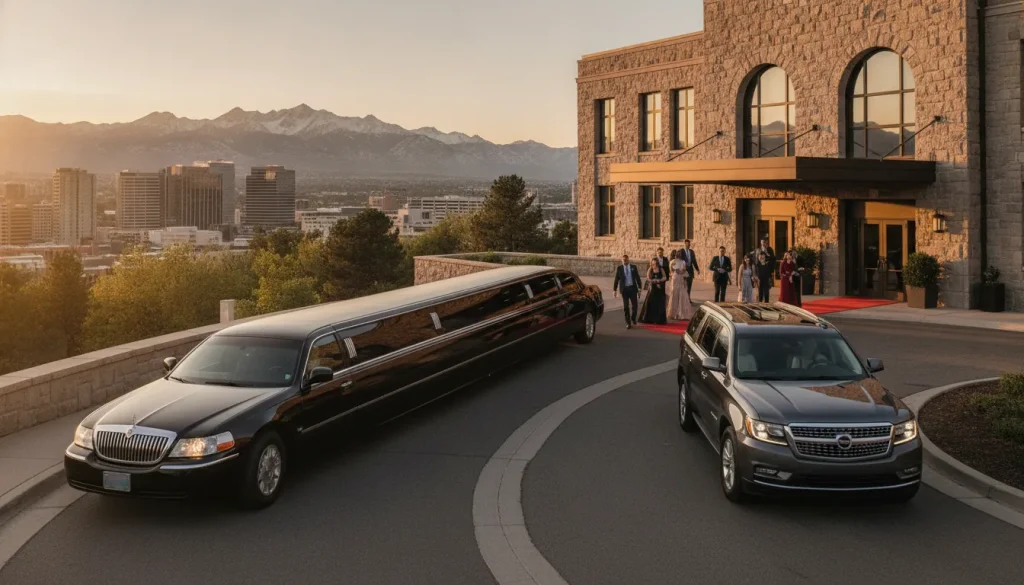
A special event in Denver rarely runs on the ceremony, kickoff, or curtain time alone. Pickup access, traffic near the venue, guest comfort, and the trip home can shape the experience just as much as the event itself.
Request your event transportation quote today.
Special event car hire works best when it is planned around the full itinerary. Confirm the passenger count and choose a vehicle that fits the group. Share every pickup and drop-off point, allow time for venue traffic, and decide in advance whether you need a scheduled return or transportation between stops.
That approach matters because transportation and parking affect how guests reach a venue and leave afterward. Princeton event-planning guidance recommends coordinating transportation and parking arrangements in advance. Stanford notes that parking and shuttle needs should be planned ahead. Avi Limo serves Denver Metro and surrounding Colorado with an owner-operated fleet for weddings, proms, corporate events, concerts, and sporting events. Start by treating transportation as one of the itinerary’s core logistics, not a final detail added after the schedule is set.
Why Special Event Car Hire Should Be Part of the Itinerary
Transportation is not a final detail to solve after the venue, schedule, and guest list are set. For a Denver wedding, concert, corporate gathering, prom, or sporting event, it is its own planning workstream. The vehicle affects when guests leave, where they meet, how they approach the venue, and what happens when the event ends.
Special events can create heavy congestion around arenas, theaters, convention spaces, and other popular destinations. Stanford’s event guidance notes that parking is often limited and shuttle needs should be planned ahead. Check parking, loading, and traffic instructions with the venue or event organizer rather than relying on a generic route assumption. Review event parking and transportation guidance for more background.
Build transportation around the full event schedule
Start with the complete movement plan, not just the event start time. Note where each group begins, when guests need to arrive, and whether there is a hotel or private-home pickup. Include photos, dinner, a ceremony, a reception, or any other planned stop. A car service may be most useful for a direct pick-and-drop arrangement, or it may make more sense to keep transportation available across several scheduled activities.
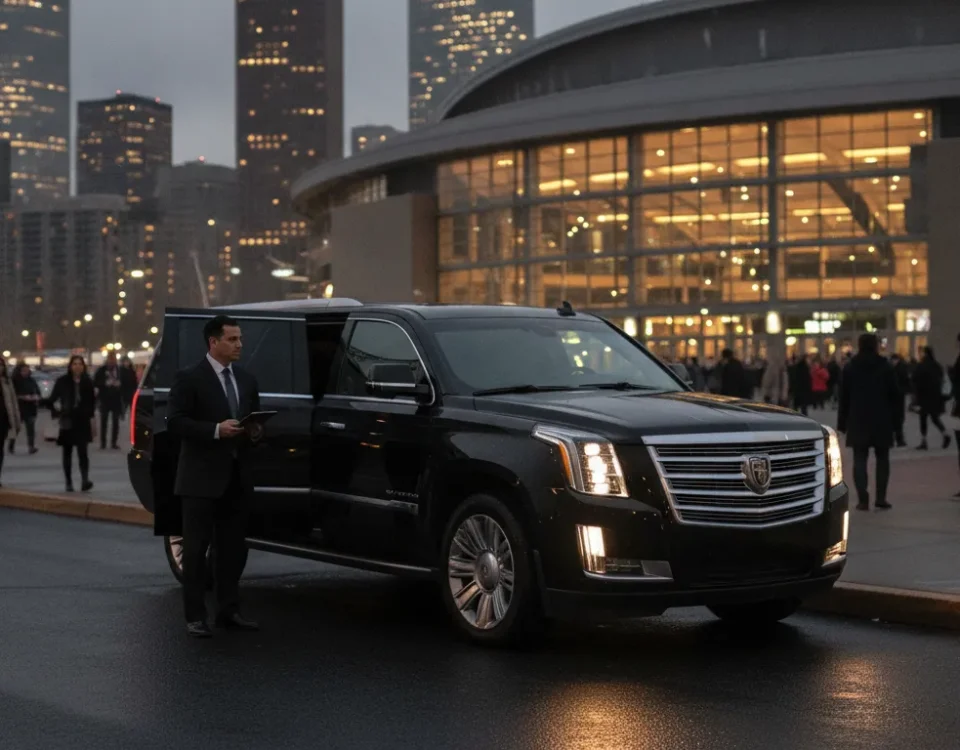
Denver examples make the distinction clear. A group attending a Ball Arena event may need an organized departure and a practical arrival point. It also needs a return plan that does not leave guests searching for one another after the final whistle. A wedding party may need transportation between preparation locations, the ceremony, and reception. A corporate group might need coordinated movement from a hotel to a meeting and then to dinner. Each itinerary calls for different timing and vehicle decisions.
Plan parking, loading, and access before guests arrive
Parking limitations, curb access, loading areas, construction, and traffic controls can all affect the arrival experience. Do not assume that a venue permits every type of stopping or that the closest entrance is the best meeting point. Confirm venue-specific instructions directly with the event organizer or facility, then share the relevant details with the transportation provider.
Planning pickup and drop-off points in advance can also reduce confusion between pedestrians and vehicles. Transportation guidance recommends using appropriate routes and coordinating event access rather than sending every driver toward the same congested entrance. That preparation helps planners account for guests who are unfamiliar with Denver, mobility needs, weather, and the timing of the return trip.
Before requesting a quote, gather pickup and drop-off addresses, the venue schedule, intermediate stops, event start time, passenger count, and desired return plan. Reviewing the types of Denver limo service can help you compare service formats before matching one to the itinerary.
How to Match a Denver Vehicle to Your Group Size
Passenger count is the starting point for choosing transportation, but it is not the only consideration. A vehicle that technically fits the headcount may feel too tight once you account for luggage, formalwear, mobility needs, equipment, or the length of the itinerary. For a wedding, prom, corporate event, concert, or sporting event, think about how the group will enter, ride, wait, and return before selecting a vehicle.
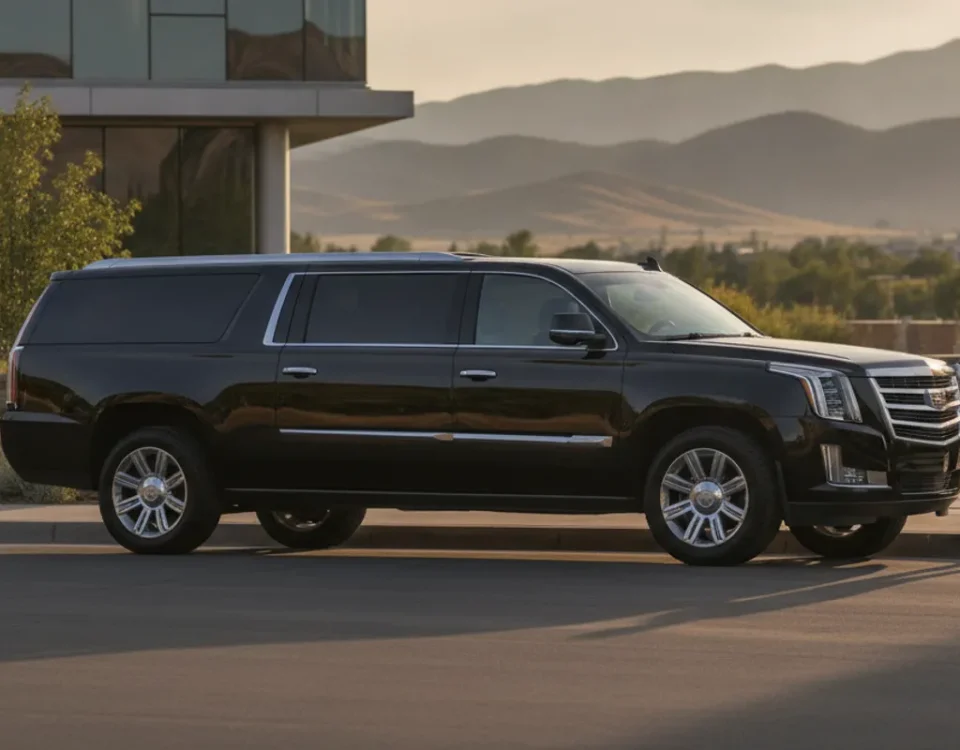
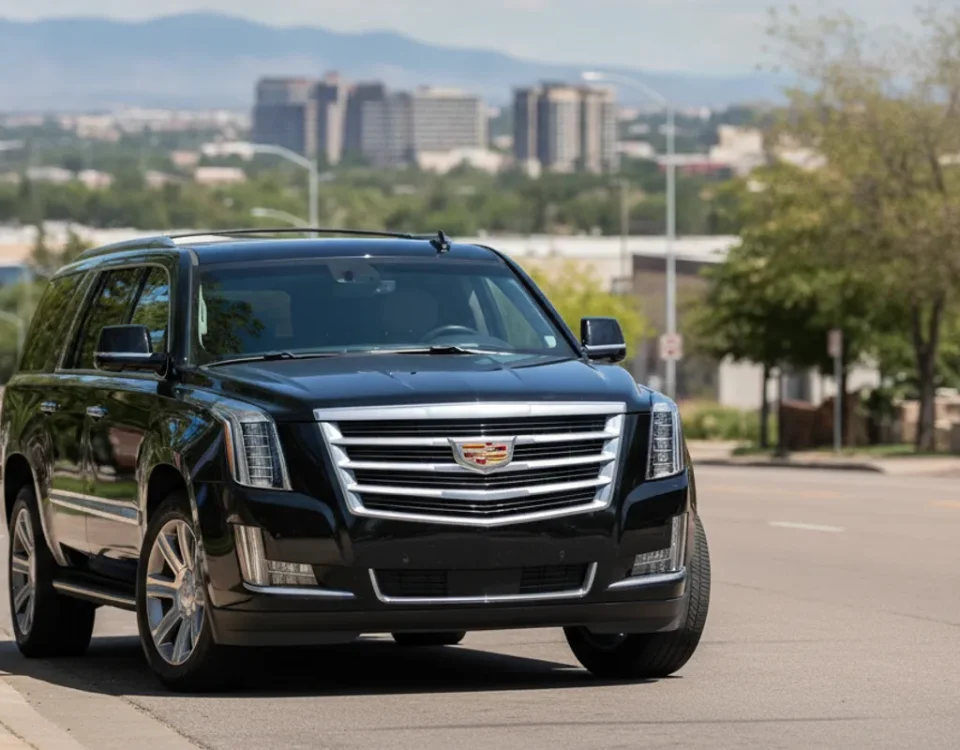
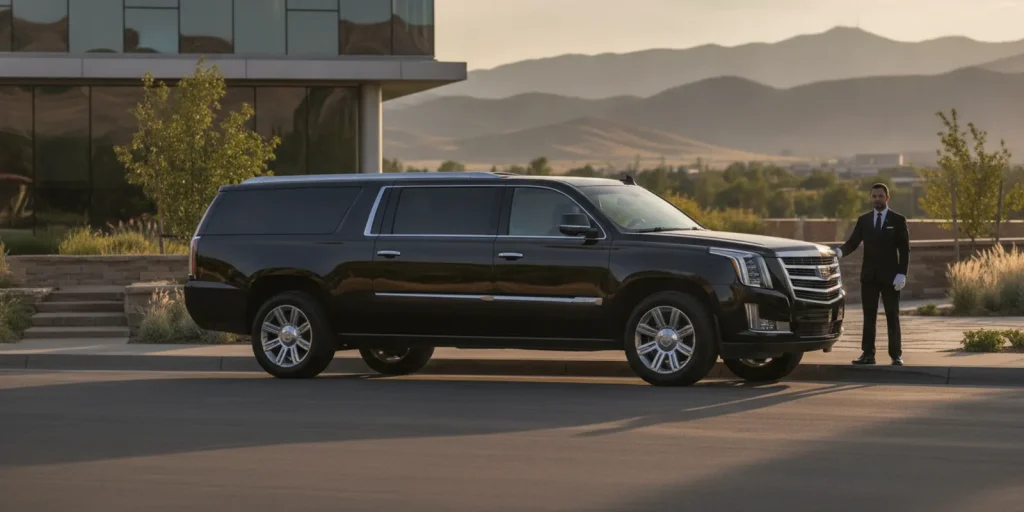
Avi Limo’s fleet includes several capacity ranges for Denver Metro and surrounding Colorado service. The examples below are a practical starting point, not a guarantee that a particular vehicle will be assigned. View the available vehicles and discuss the complete itinerary before booking.
| Vehicle example. | Listed capacity. |
|---|---|
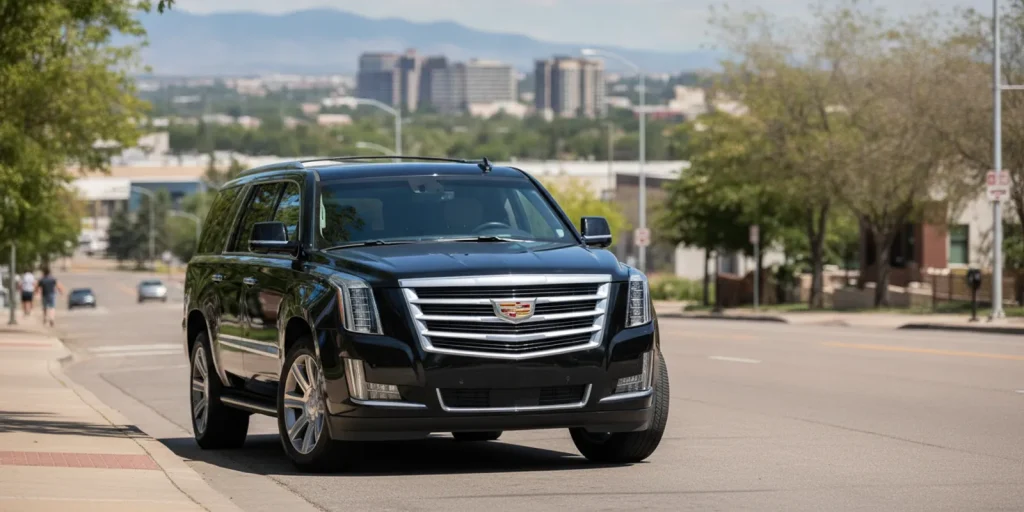
| Cadillac Escalade ESV. | Up to 6 passengers. |
| Lincoln Town Car stretch. | 10 passengers. |
| Chrysler 300 stretch. | 10 passengers. |
| Dodge Challenger stretch. | 10 passengers. |
| Ford Transit 350 Executive Van. | 11 passengers. |
| H2 Hummer. | 18, 20, or 24 passengers. |
Count people, belongings, and comfort needs
Start with the highest realistic passenger count, not an early estimate. Ask whether everyone will ride in every segment, whether guests may bring bags or event supplies, and whether anyone needs easier access or additional room. If the group size is close to a listed capacity, mention that when requesting a quote. Leaving no margin can make boarding slower and reduce comfort, especially when the itinerary includes several stops.
Itinerary also affects the fit. A short direct transfer may call for a different format than an evening with multiple pickups, venue changes, photos, or a late return. Share each address, stop, event start time, and desired return plan so the service team can evaluate the vehicle alongside the route. You can also review the broader Denver limousine fleet before narrowing your preference.
Confirm the assignment before the event
Vehicle examples and listed capacities help you compare options, but the final assignment depends on the confirmed passenger count, itinerary, service details, and availability for your date. Ask Avi Limo to confirm the appropriate vehicle before treating a selection as final. A complete request gives the team the information needed to recommend a practical match instead of choosing only by appearance or a maximum seat number.
What Should You Confirm About Pickup and Venue Logistics?
A well-planned event itinerary gives your chauffeur the information needed to make each movement clear. Before confirming special event car hire in Denver, gather the details below and share them together. This is especially helpful when a celebration includes a downtown venue, multiple stops, or a return pickup after the main event.
- List every pickup and drop-off address. Include the starting location for each group, the final venue, and the planned return location. A hotel entrance, private residence, office, airport, and venue may each require a different approach. Use the full street address and identify the person responsible for coordinating the group. If the event involves separate pickups, say who is traveling from each location rather than providing only one general destination.
- Match pickup timing to the event schedule. Share the event start time, guest arrival expectations, ceremony or program timing, and the time you want to leave. Drivers arrive early, plan routes, set up GPS, greet clients, and assist with service execution. Give the service team the complete schedule instead of assuming that the published start time tells the whole story. This helps distinguish when the group needs to be collected from when it needs to be at the venue.
- Explain loading and unloading conditions. Tell the provider where passengers are expected to enter and exit, along with any known restrictions or construction affecting access. Venues can involve limited right of way, traffic control, parking questions, or busy pedestrian areas. Major theaters and sports venues may also sit near high-volume roads. For an evening downtown event, review Denver theater transportation planning as a relevant example, but confirm current instructions with the venue rather than assuming a universal rule.
- Document intermediate stops. Include photo locations, restaurants, hotels, ceremony sites, after-parties, or any other planned stop. State whether the vehicle will wait or whether the group will need a later pickup. For a larger celebration, the Denver party bus rental guide offers additional planning context for group schedules and route details. Do not leave an extra stop to be decided informally if it affects timing or the service arrangement.
- Review the route and venue access plan. Planned event traffic can be coordinated, while congestion often increases around concerts, games, and other large gatherings. Ask the service team to review the route using the addresses and schedule you provide. Lower-volume entrance and exit routes or alternate roads may help reduce conflicts around a busy venue. Any venue-specific approval, loading instruction, road closure, or construction notice should come from the venue or event organizer.
- Set the return plan before the event. Specify whether the chauffeur should remain nearby, return at a set time, or collect the group after a program ends. Include the preferred meeting point and a contact person. If the ending time may change, explain the likely range and ask which service format best fits the itinerary. Reconfirm the final addresses, stops, timing, and return instructions with Avi Limo when requesting current availability and a quote.
The more complete the itinerary, the easier it is to evaluate access, timing, and the right service arrangement for your Denver event without relying on assumptions.
Hourly or Pick-and-Drop: Which Event Service Fits?
The right service model depends on whether your event has one defined transfer or a schedule that keeps the vehicle with your group. Pick-and-drop transportation is generally the cleaner choice when you have a set pickup location, one destination, and a planned return or final drop-off. Avi Limo offers this event transportation as a flat-rate service model, so the quote can be built around the agreed route and transfer details.
When pick-and-drop service makes sense
Choose pick-and-drop when the itinerary is straightforward. For example, a group may leave a hotel, arrive at a concert or reception, and return to the hotel after the event. This arrangement can also work well when guests do not need the vehicle to remain nearby during the event itself. Provide the pickup address, venue address, event timing, passenger count, and desired return plan when requesting a quote. Those details help define the actual transportation need instead of treating every event as an open-ended rental.
For a practical overview of the information to gather, read how to rent a limo in Denver. A clear itinerary is especially important when multiple groups, hotels, or venues are involved.
When hourly service is the better fit
Hourly service is designed for extended itineraries. It can be more suitable when the group needs several stops, wants transportation between venues. Or expects the chauffeur to wait while attendees are inside a restaurant, tasting room, ceremony, or performance. Keeping the vehicle assigned to the itinerary avoids rebuilding the transportation plan for each leg of the evening.
Describe every planned stop, how long the group expects to remain there, and whether the vehicle should stay available between activities. Include the event start time and the intended end or return time. Waiting periods, route length, stop count, destination, vehicle selection, and timing can all affect the quote. Mountain destinations are quoted separately, so identify any mountain travel during the initial conversation rather than assuming the same terms as a Denver Metro trip.
A wine-tasting itinerary is a useful example of a multi-stop plan. Compare your schedule with Avi Limo’s multi-stop event transportation guidance, then share the actual tasting locations and return destination for a tailored quote.
Confirm the applicable minimum
Standard event hourly rentals have a four-hour minimum. Prom service has a six-hour minimum. These are different service standards, so do not assume that a prom booking follows the standard event minimum or that a shorter celebration automatically qualifies for hourly service. Minimums and the final vehicle assignment should be confirmed at the time of quote.
In short, use pick-and-drop for a defined transfer, and consider hourly service when stops, waiting, or a planned return make the vehicle part of the event itinerary. Send the complete schedule so Avi Limo can recommend the service structure that fits the occasion.
How Far in Advance Should You Book Special Event Car Hire?
There is no universal booking lead time for every event. The right point to reserve depends on the date, the size of your group. The vehicle you need, the venue schedule, and how many moving parts are in the itinerary. A simple point-to-point ride may require less coordination than a wedding with photo stops, a concert near a busy venue, or a corporate event involving several pickups.
Start planning as soon as the key details are known, particularly when your event falls on a popular date or requires a specific vehicle. Early planning gives the transportation provider time to review the complete itinerary rather than treating the reservation as a last-minute pickup.
Build the booking around the event calendar
Have the event date, start time, end time, and venue schedule ready. Include ceremony, reception, concert, game, dinner, or meeting times, along with any planned photo sessions or intermediate stops. Special events can create congestion around venues, and major roads may be especially busy before and after the event. Reviewing the calendar early allows the transportation plan to account for traffic, loading areas, route changes, and a realistic return plan.
Confirm the vehicle and venue fit
Passenger count is only the beginning. Tell Avi Limo how many people will ride, whether guests will carry luggage or equipment, and whether everyone needs to travel together. Then confirm the vehicle assignment at the time of quote. The most suitable option depends on the final passenger count and itinerary, not simply on the vehicle pictured online.
Venue coordination also matters. Ask about designated pickup and drop-off points, loading restrictions, parking instructions, construction, security procedures, and any required access approvals. Share those details with the chauffeur service, especially for downtown hotels, theaters, stadiums, event halls, and venues with limited curb space. For a broader look at available Denver limo services, review the service information before requesting a reservation.
Share special requests and verify the provider
Identify special requests early, such as multiple stops, a particular arrival sequence, accessibility considerations, refreshments, or a return pickup after the event. Avi Limo states licensing through city, state PUC, and federal USDOT agencies. Ask questions about any detail that affects your booking, and make sure the final quote reflects the agreed schedule and service arrangement.
Reconfirm before the event
Once the itinerary is settled, reconfirm the date, addresses, pickup time, passenger count, vehicle assignment, contact person, venue instructions, and return plan. Before service, Avi Limo prepares its vehicles by hand-washing and detailing them, cleaning the interiors, and preparing fresh ice and beverages. To discuss current rates, availability, and specific requirements, request an event transportation quote with your complete itinerary.
Ready to book? Contact Avi Limo for availability.
Frequently Asked Questions
What does special event car hire include?
Special event car hire is planned transportation for an occasion such as a wedding, prom, corporate event, concert, sporting event, or milestone celebration. The right arrangement may be a single pickup and drop-off or a vehicle retained for multiple stops, depending on your itinerary.
How is event transportation pricing determined?
Pricing depends on the service format, vehicle selection, date, route, stops, event timing, and the amount of time the vehicle is reserved. Pick-and-drop service uses a flat-rate model, while extended itineraries can use hourly service. Avi Limo lists a 4-hour minimum for standard event hourly rentals and a 6-hour minimum for prom service. See the current rates and booking requirements for details.
Can I hire a vintage or exotic car for a special event?
That depends on the vehicle requested, its availability, passenger needs, and the role it must serve in your itinerary. A specialty car may work well for an arrival, departure, or photo opportunity, but it may not be the practical choice for group transportation. Confirm the exact vehicle assignment and service details when requesting a quote.
What information should I provide for an event transportation quote?
Share the passenger count, preferred vehicle, pickup and drop-off addresses, venue schedule, event start time, intermediate stops, and desired return plan. Include mountain destinations or unusual loading requirements as well. Complete itinerary details help the team evaluate the vehicle fit, route, timing, and service format before confirming the booking. Request an event transportation quote with those details.
Ready to Plan Your Denver Event Transportation?
Share your event date, passenger count, pickup and drop-off locations, venue schedule, stops, and preferred return plan. These details help the team recommend a suitable service approach and prepare guidance around your itinerary. To request current rates, availability, and planning help, contact Avi Limo about your special event car hire.