Call us: 303-455-4455
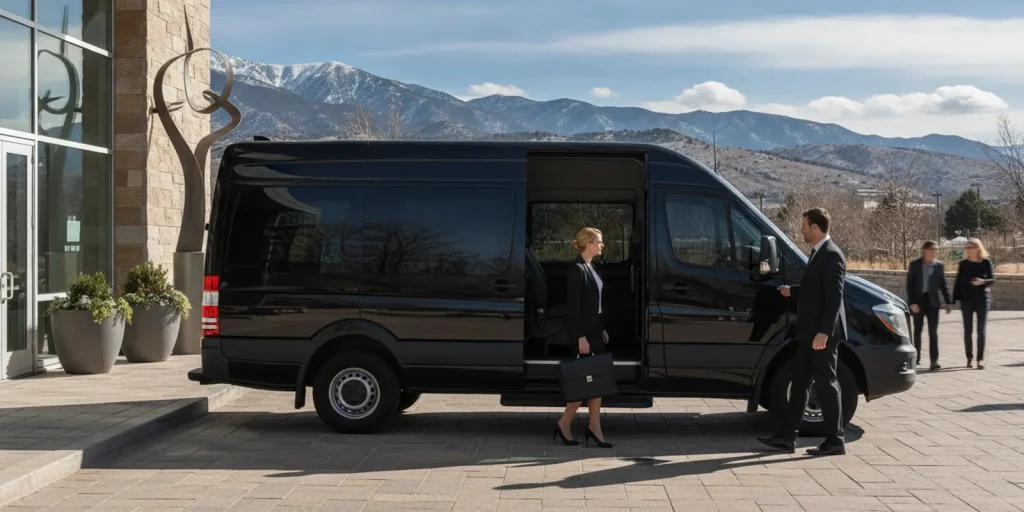
Sprinter van group transportation Denver planners consider can be a practical choice when a group wants to travel together in an executive-van format. Whether it is a better fit than a stretch limousine depends on the actual passenger count, luggage, itinerary, and experience the group wants. Avi Limo lists a Mercedes-Benz Sprinter in an executive configuration, but the supplied vehicle details do not state its passenger capacity, so confirm the exact layout proposed for your trip.
Request a trip-specific transportation quote.
When is a Sprinter a better choice for Denver group transportation?
A Sprinter may be a better fit when the group’s priority is coordinated travel in an executive van and the vehicle’s confirmed seating and cargo arrangement suit the plan. Examples include colleagues traveling between a hotel and meetings, a team going to an event, or visitors moving between several Denver stops together. The vehicle name alone does not establish capacity, luggage fit, or comfort for a particular group.
A stretch limousine offers a different setting. It may be appropriate when the limousine experience is part of a celebration or occasion. A Sprinter is worth comparing when the trip is centered on moving a group on a shared schedule. Neither option is automatically superior: consider what passengers need during the ride, the number and size of bags, and whether the itinerary is direct or includes stops.
Avi Limo’s published fleet information lists several capacities for other vehicles: Cadillac Escalade ESV for six passengers, Ford Transit for 11, and Chrysler 300 stretch for 10. Those figures apply to those listed models, not the Mercedes Sprinter. Ask the company to confirm the proposed Sprinter’s configuration and passenger limit before making a decision.
What should you compare between an executive van and a stretch limousine?
Start with the experience your group wants, then check the practical requirements. A headcount does not show whether everyone has a suitable seat or whether baggage will fit alongside passengers. Describe the trip rather than asking only for a vehicle by name.
| Planning factor | Executive Sprinter | Stretch limousine |
|---|---|---|
| Potential use | Shared group travel in an executive-van format | Occasions where the stretch-limo setting fits the plan |
| Passenger fit | Confirm the exact layout and capacity | Confirm capacity for the specific stretch model |
| Bags and equipment | Describe quantities and sizes; confirm cargo fit | Ask how the selected model accommodates passengers and belongings |
| Schedule | Share all pickups, stops, and timing needs | Share the full itinerary and event timing |
| Quote comparison | Check vehicle, service format, time, and terms | Check the same details for an equivalent comparison |
Use the fleet details on the vehicle information page as a starting point, then confirm availability and configuration for your date. Ask about price, included service time, and applicable terms in the quote. Avi Limo says service minimums vary and are confirmed at quote; do not assume a standard minimum applies.
How should you plan passenger seating and luggage?
Make a passenger count for each part of the trip, including anyone joining at another pickup. Then consider how passengers will use the cabin. Coworkers may want to travel together between meetings, while a group headed to a venue may care most about arriving on a coordinated schedule. Share these priorities so the provider can discuss the proposed configuration.
Luggage and equipment can change the fit even when the headcount seems manageable. Estimate the number and size of bags. Include presentation materials, instruments, sports gear, or other bulky items. A few large suitcases use space differently from small personal bags. Ask whether the specific vehicle can accommodate the passengers and their belongings together.
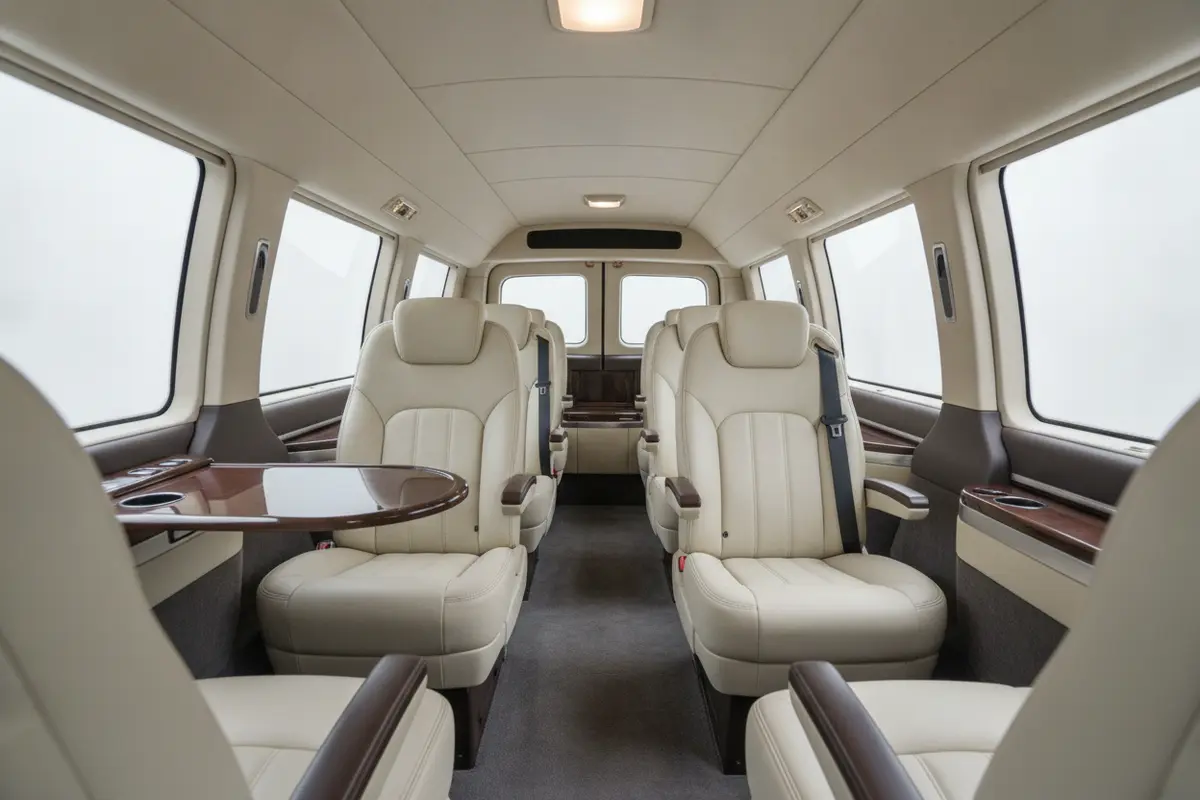
Raise access and comfort needs early. If someone needs a particular way to enter or exit, or the group prefers planned breaks on a longer trip, explain that when requesting availability. Do not assume a feature or configuration unless the provider confirms it for the vehicle assigned.
A useful way to check the plan is to write down three numbers: the largest passenger count on any leg, the number of bags, and the number of bulky items. Send those details together. If the itinerary changes later, update the provider rather than relying on an earlier estimate.
When can an executive van help with team movement?
A shared vehicle can simplify coordination when a group has the same destination and a time-sensitive schedule. It can reduce the need to organize multiple separate pickups, but whether one vehicle is suitable depends on confirmed capacity, baggage, and route. For a company visit, list the sequence of office, hotel, restaurant, or event stops before requesting a quote.
For an event team, think through arrival, equipment, and return needs. Do attendees need to arrive together? Are there multiple pickup points? Will the group need a return ride or transportation between locations? A Sprinter may be worth considering if its confirmed configuration suits the answers. A smaller vehicle may be a better fit for a modest group, while a larger group may need another arrangement.
Visitors traveling around Denver should provide exact pickup and drop-off locations, not just neighborhood names. If the destination is outside the metro area, include it and give the expected schedule. Mountain and resort travel should be discussed as a distinct route and service plan; do not infer suitability or driving arrangements from the vehicle name alone.
What should a Denver group transportation quote include?
A clear request helps the provider respond to the actual trip. Before contacting the company, gather the following:
- Passenger count: Give the expected number on each leg, not only the overall maximum.
- Addresses: Identify pickup, drop-off, and intermediate locations.
- Timing: Share pickup time, fixed arrival deadlines, event start, return timing, and planned stops.
- Baggage: Describe quantities and sizes, including bulky equipment.
- Vehicle interest: Say you are considering a Sprinter, but ask the provider to confirm the exact configuration.
- Service format: Explain whether you need a direct transfer, several stops, or transportation over a planned period.
- Changes: Ask how waiting, extra stops, timing changes, and itinerary adjustments are handled.
Ask for the important details in writing: proposed vehicle, confirmed passenger limit, price, what the quote includes, schedule, and booking or change terms. Compare equivalent plans. A point-to-point transfer and an itinerary with multiple stops may not cover the same service, so a headline amount alone may not make the proposals comparable.
Avi Limo’s guide to requesting a limo quote can help you organize questions. Review rates and service information as well, then confirm which terms apply to your specific trip.
How do you compare a Sprinter with other vehicle options?
Use the same trip facts to evaluate every option. Confirm passenger capacity for the exact vehicle, usable room for bags, and whether the proposed service covers the itinerary. Avi Limo lists executive and stretch options, but model and configuration affect fit.
- Consider a Sprinter when an executive-van format and shared itinerary appear to suit the group; verify passenger and baggage fit.
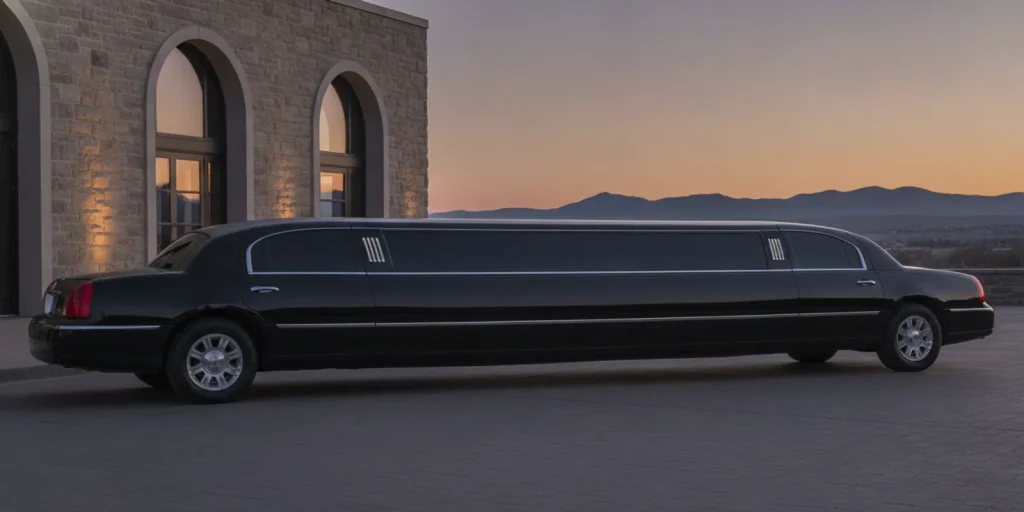
- Consider a stretch limousine when the occasion calls for that setting; confirm the specific model and limit.
- Consider a smaller executive vehicle when the passenger count is modest and the luggage plan fits. The listed Escalade ESV capacity is six passengers.
- Consider a Ford Transit when its listed 11-passenger capacity and configuration meet the need; confirm luggage space and availability.
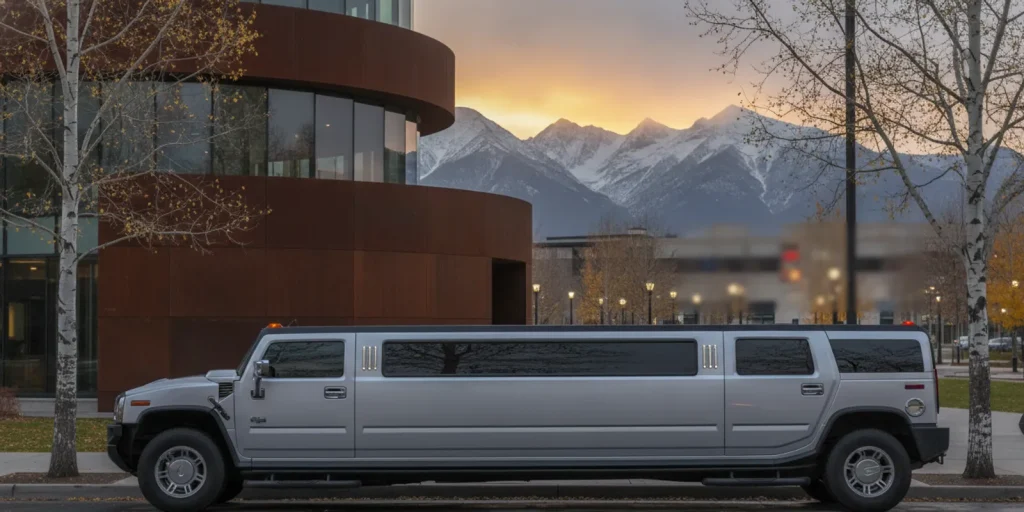
If you are comparing a Sprinter specifically with a Hummer stretch limousine, read Avi Limo’s Hummer limo versus Sprinter comparison. Consider the group’s actual needs rather than treating one vehicle type as a universal upgrade.
What should you confirm about service and booking?
Ask who will confirm the booking, how the schedule will be documented, and how to contact the company if plans change. Confirm pickup locations, passenger count, vehicle, and trip terms in writing. For a multi-stop itinerary, make sure each stop and timing expectation appears in the confirmed plan.
Avi Limo describes its transportation as chauffeur service and its chauffeurs as licensed and insured. Ask any trip-specific questions about operating details directly, and do not rely on a general vehicle description to answer them. For an overview of the company’s transportation services, review the service information and then discuss the itinerary.
Schedules can be affected by traffic, weather, event timing, or road conditions. Build reasonable flexibility into the plan and ask how timing updates are handled. The Transportation Research Board’s TRID library lists a national transportation statistics report describing a period of change for travelers and transportation; it is broad context, not a forecast for a specific Denver route. Read the Transportation Statistics Annual Report 2021 listing.
How can different groups use an executive van?
The same vehicle may be considered for very different plans, so describe the purpose rather than requesting a vehicle in isolation. A business group may need transport between a hotel, office, and dinner. A project team may need one pickup point and a common destination. Visitors may want to coordinate arrival at a venue. Each plan raises different questions about stops, waiting, and luggage.
Business and client travel
Assemble addresses and meeting times before asking about availability. Identify fixed appointments and flexible periods. If passengers will carry presentation materials, samples, or luggage, describe those items. Ask whether the quote covers the complete sequence or a defined transfer, and how waiting is treated. This prevents comparing a multi-stop plan with a simple transfer as if they were equivalent.
Consider what passengers need during the ride. Some may want to discuss the day together; others may prefer a quiet transfer. State your priorities and ask what the proposed configuration offers. Confirm the pickup point and who will communicate schedule changes to the group.
Team and event transportation
For event travel, work backward from the time passengers need to arrive. Include check-in, setup, or an arrival buffer where relevant, then ask whether the pickup schedule is workable. If attendees start from different places, provide the proposed route and ask how it affects the quote. A shared group vehicle is useful only if its capacity and route align with those details.
For equipment, make a short inventory. Note whether items are compact, long, fragile, or bulky and whether they must remain accessible. Ask how the cargo arrangement affects passenger fit. Do not assume all seats and cargo areas can be used simultaneously unless the provider confirms that exact arrangement.
Visitors with a multi-stop Denver itinerary
Visitors may have hotel, dining, event, and activity stops in one plan. List them in order and distinguish confirmed locations from tentative ones. If the itinerary extends beyond central Denver, provide the destination and approximate timing when requesting a quote. This gives the provider context to discuss the full service rather than only the first leg.
For a mountain or other long-distance trip, specify the date, route, passenger group, and luggage. Ask what service arrangement is available and which terms apply. Do not assume a vehicle or route capability without confirmation. The goal is to discuss the actual trip, not rely on a general vehicle label.
What planning mistakes should you avoid?
A few checks can prevent confusion when comparing group transportation options:
- Booking by vehicle name alone: Ask for the exact configuration and passenger limit.
- Giving only a headcount: Include bags, equipment, stops, and passengers joining later.
- Leaving the schedule vague: Provide pickup times, deadlines, planned stops, and return needs.
- Assuming quotes cover the same service: Compare itinerary, time, inclusions, and terms in writing.
- Waiting to discuss special needs: Raise access, comfort, and route considerations at the start.
- Assuming a minimum or policy: Ask directly because service minimums and terms vary by booking.
Choose one person to coordinate the group’s request. That person can confirm the headcount, consolidate questions, and share updates with the provider. For a work trip, circulate the confirmed schedule. For an event, make sure passengers know where to meet and when to be ready. Clear coordination helps regardless of which vehicle is selected.
How should you make the final comparison?
Evaluate each proposal against the trip requirements you recorded. First, check that the confirmed capacity accommodates the full passenger count. Next, make sure the proposed vehicle can carry the stated bags and equipment. Then compare the itinerary, schedule, quote inclusions, and change terms. Ask for clarification before confirming if a detail is missing.
Use this short decision checklist:
- Does the confirmed configuration fit the passenger count on every leg?
- Has the provider confirmed space for baggage and equipment?
- Does the service cover each pickup, stop, and destination?
- Are arrival deadlines, waiting, and return timing understood?
- Are the price and booking terms clear in writing?
If a proposal leaves one of these questions unanswered, request the missing detail. A quoted amount has little meaning until you know what service it covers. Likewise, a vehicle that appears spacious is not a substitute for confirmed passenger and baggage fit. Decide from documented details and the needs of the people taking the trip.
Frequently asked questions
How many passengers fit in Avi Limo’s Mercedes Sprinter?
The vehicle information identifies a Mercedes-Benz Sprinter in executive configuration but does not state a passenger capacity. Ask Avi Limo to confirm the limit and exact layout proposed for your date.
Is a Sprinter always better than a stretch limousine for a group?
No. The best fit depends on the occasion, passenger count, luggage, schedule, and desired ride experience. Compare the specific configurations and quote terms rather than choosing by vehicle name alone.
Can a Sprinter carry luggage as well as passengers?
That depends on the seating and cargo configuration and the amount of luggage. Tell the provider the number and size of bags, then confirm that the proposed vehicle can accommodate everyone and their belongings.
Does Avi Limo have a fixed minimum booking time for a Sprinter?
Service minimums vary and are confirmed at quote. Ask which service format or minimum applies to your trip, and have the terms documented before booking.
What should I provide when requesting a group transportation quote?
Share passenger count, locations, date and schedule, stops, baggage, vehicle preference, and any timing or comfort needs. Include the full itinerary so the provider can discuss an appropriate vehicle and the quote.
Discuss your group’s itinerary with Avi Limo.
Make the choice around your actual group
A Sprinter may suit Denver group transportation when its executive-van format, confirmed seating, baggage capacity, and schedule align with the trip. Share the full plan, compare it with available alternatives, and confirm the vehicle and terms in writing before booking.