Call us: 303-455-4455
A corporate retreat can lose momentum before the first meeting if attendees are arriving at different times, using separate pickup points, or moving between venues without a shared plan. Transportation works best when it is treated as part of the retreat itinerary, not as a last-minute ride request.
Share your Denver retreat itinerary with Avi Limo.
Corporate retreat transportation denver planning should begin with attendee counts, pickup locations, arrival and departure windows, venue stops, luggage needs, and a clear return plan. A coordinated itinerary helps planners evaluate vehicle options, route timing, professional chauffeur service, and any Denver or surrounding-community travel requirements before requesting current details.
Companies and professional organizations commonly arrange transportation for meetings, events, airport transfers, team travel, and client activities. The practical goal is consistent timing and straightforward coordination, while leaving room for changes in the schedule. Start by building one master plan that shows who needs to be where, and when.
How Denver teams plan corporate retreat transportation for a retreat
A retreat transportation plan should begin with one shared itinerary, not a series of separate ride requests. The master itinerary gives planners, attendees, chauffeurs, and venues the same operating picture: who is traveling, where each group meets, when vehicles move, and what happens between scheduled activities. That structure is especially useful when a retreat includes airport arrivals, hotel pickups, off-site meetings, meals, and a return trip with different departure windows.
Start by listing every attendee or travel group, along with the pickup point and time window that applies to them. Some guests may arrive at Denver International Airport, while others begin at a downtown hotel, office, or nearby community. Record the destination for each movement, the venue’s planned start and end times, and any transitions between locations. A retreat itinerary should also show which activities are fixed and which have enough flexibility to absorb traffic or a late arrival.
This approach addresses a different problem from ordinary point-to-point executive travel. Retreats often combine team travel, group movements, and shared experiences. A single plan helps prevent one group from leaving before another is ready, sending attendees to the wrong entrance, or overlooking the transfer between a hotel and an off-site venue. It also gives the planner a practical place to note luggage, accessibility questions, and the preferred communication contact for each movement.
Avi Limo serves Denver and surrounding communities with limousine and chauffeur transportation, including corporate travel, events, airport transfers, and group transportation. Its corporate-service guidance identifies varied pickup points, itinerary coordination, punctuality, professional service, and straightforward communication as important planning considerations. Denver corporate retreat transportation should therefore be evaluated through the retreat’s complete schedule rather than a generic corporate car-service checklist.
Before requesting a quote, send the master itinerary for review and identify the decisions that still need confirmation. That gives the transportation provider a clearer view of the retreat’s attendees, locations, timing, and movement pattern, while leaving room to confirm vehicle options and day-of routing against the final plan.
What information should planners collect before booking?
A clear planning brief helps a transportation provider understand the retreat as a connected itinerary rather than a series of isolated rides. This matters when attendees have different arrival times, pickup points, or responsibilities. Before requesting a quote, gather the following details in one working document.
- Headcount and attendee roles: Record the total number of travelers, then separate executives, speakers, clients, staff, or other groups whose schedules may differ. Note whether anyone will travel separately or need a dedicated transfer.
- Pickup locations: List each hotel, office, residence, airport terminal, or other starting point with a complete address. Mark which locations can be combined and which require separate departures. Varied pickup points are a common corporate planning consideration, so a precise list is more useful than a general neighborhood name. Avi Limo’s corporate transportation guidance can help frame those coordination questions.
- Arrival and departure windows: For every movement, provide the requested pickup time, the time attendees must arrive, and any meeting or check-in deadline. Include flight details when airport arrivals are involved, but distinguish a scheduled arrival from the time people are expected to be ready curbside.
- Venue addresses and access notes: Gather the full address for the retreat venue, restaurants, meeting rooms, activity sites, and backup locations. Add loading-zone instructions, entrance names, parking restrictions, or a venue contact if you have them.
- Luggage and equipment: Estimate suitcase volume and identify materials such as presentation equipment, event supplies, skis, or other bulky items. These details can affect vehicle planning even when the passenger count fits comfortably.
- Accessibility and comfort needs: Document mobility considerations, step-free access requirements, service animals, or other accommodations early. Also note business needs such as time to work, charging, or quiet travel, without assuming a particular amenity or vehicle assignment.
- Schedule and route sequence: Build a day-by-day timeline showing meetings, meals, activities, wait periods, and movements between venues. Include realistic time for loading and unloading. Route planning and GPS setup are documented as day-of preparation concepts, but the itinerary should still be reviewed in advance. Review the service overview when defining the geographic scope and trip details.
- Billing and approval information: Identify the person approving transportation, the billing contact, purchase-order or invoicing requirements, and any company travel policy that applies. Corporate priorities commonly include clear invoicing and consistent service for repeat bookings, so resolve these questions before the itinerary is finalized.
- Return and contingency needs: Document the final destination, return windows, staggered departures, late-session options, and what should happen if an event ends early or runs long. Flag weather-sensitive or mountain travel and provide a reachable day-of contact for schedule changes.
Once these details are assembled, share the brief and ask which vehicle options, timing assumptions, and current service terms fit the itinerary. That conversation allows the plan to be refined without treating a checklist as a promise of availability or a fixed booking workflow.
How do you match vehicles to group size and schedule?
Vehicle planning is about more than fitting every attendee into available seats. For a retreat, the right arrangement should also support the day’s movement pattern, luggage needs, pickup timing, and the amount of coordination your planner can realistically manage. A group traveling together from one hotel to one venue may need a different setup from a team arriving in waves, visiting several locations, or splitting between a downtown meeting and a mountain destination.
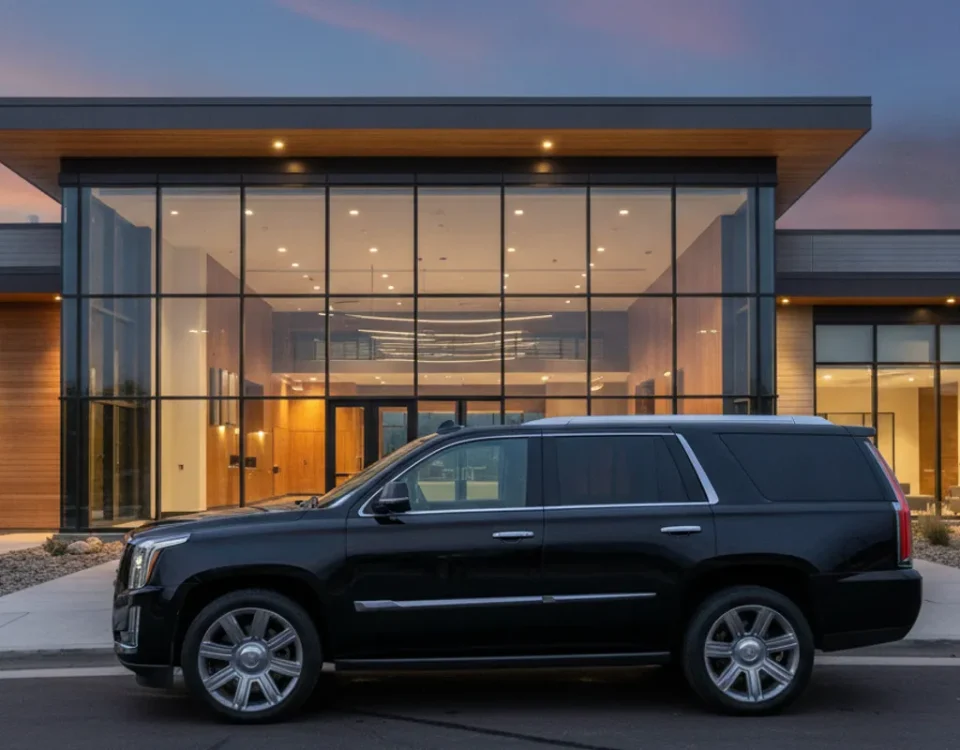
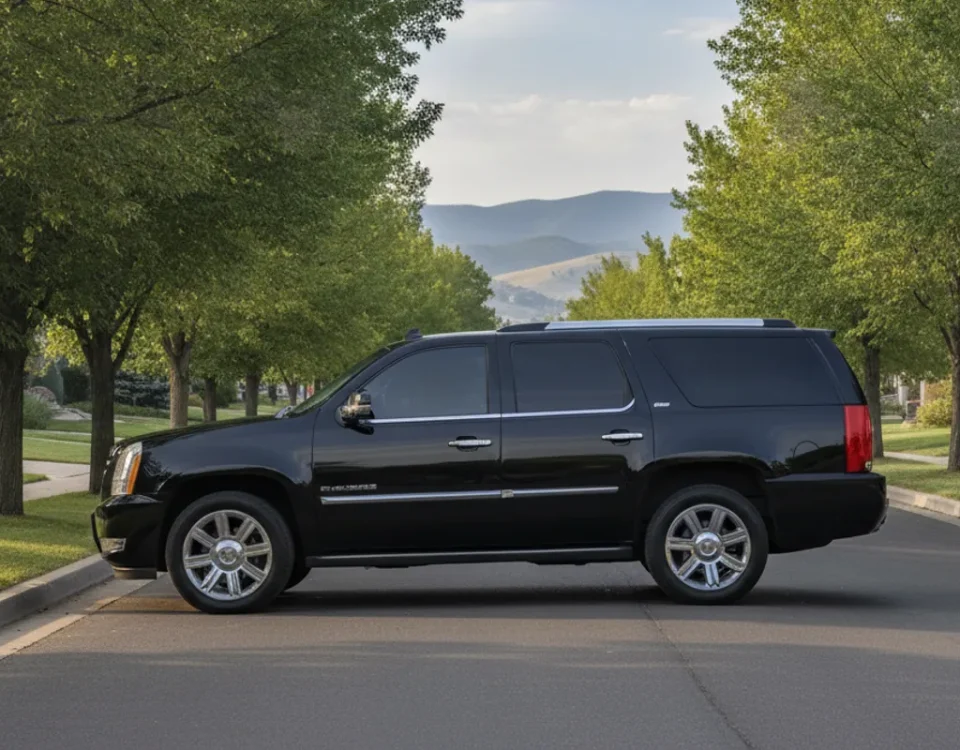
Start with a current passenger count for each movement, not just the total number of people attending the retreat. Note whether bags, presentation materials, or equipment will travel with the group. Then compare that information with the live vehicle options and schedule. Avi Limo’s executive vehicles and group options list includes a 6-passenger Cadillac Escalade ESV and an 11-passenger Ford Transit Van. These are useful planning examples, but availability and stated capacity must be reconfirmed before they are included in a specific transportation plan.
| Planning need | Example vehicle category | Questions to confirm |
|---|---|---|
| One executive or a very small group with a focused itinerary | Sedan or SUV | How many passengers and bags are traveling? Are there tight arrival or departure windows? |
| Small leadership team traveling together between scheduled stops | 6-passenger SUV, such as the listed Cadillac Escalade ESV example | Does the current vehicle capacity fit the final passenger count? Is luggage space sufficient? |
| Team traveling together with shared equipment or more room between stops | 11-passenger executive van, such as the listed 11-passenger Ford Transit Van example | Are all seats and the needed storage available for the date? Can the vehicle serve every planned pickup? |
| Larger group with complex timing or multiple departure waves | Van, Sprinter, minibus, or motor-coach category, subject to provider confirmation | Will one vehicle serve the full group, or is a coordinated vehicle mix more practical? Who manages the staging plan? |

For groups that need more shared space, review chauffeured Sprinter vans for groups as a planning category, then ask which vehicle is actually available for the retreat. Do not assume that a model shown online will be assigned automatically. Confirm passenger capacity, luggage fit, accessibility considerations, pickup locations, and whether the vehicle can follow the full itinerary.
A final vehicle check should happen after the schedule is stable. Reconfirm the number of passengers for each leg, the available vehicle category, the capacity on the service date, and any changes caused by staggered arrivals or returns. That simple review helps planners choose a comfortable, workable arrangement without promising a vehicle before the details are verified.
How should a retreat itinerary handle Denver stops and mountain routes?
Build the route around the retreat schedule, not simply the distance between addresses. A Denver itinerary may include hotel pickups, a downtown meeting venue, a team meal, and a final mountain destination. Treat each stop as a timed movement with a clear pickup location, loading window, and person responsible for confirming the group is ready.
For downtown stops, put the exact venue entrance or designated curbside area in the master itinerary. A large venue may have more than one practical approach, and a group can lose time when attendees are sent to different corners of a busy block. The Colorado Convention Center, for example, is at 700 14th Street in Denver and is within walking distance of more than 9,000 hotel rooms. That proximity may make some hotel-to-venue movements easy to consolidate, while other attendees may still need coordinated transportation based on the retreat agenda. Confirm access details with the venue rather than assuming every entrance works for every vehicle.
For a multi-stop retreat, separate fixed appointments from flexible activities. Keep the departure from Denver, scheduled meals, and any presentation or check-in time clearly protected. Add practical buffer between stops because traffic, loading, attendee readiness, and venue access can change the schedule. Route planning and GPS setup are part of documented day-of preparation for Avi Limo services, but no provider can guarantee a fixed mountain travel time. Recheck the itinerary and current road conditions as the date approaches.
I-70 planning deserves its own decision point. Identify whether the group needs a direct Denver-to-resort movement, a return to Denver, or several mountain stops. Avi Limo’s Denver-to-Vail retreat transportation page can provide relevant context when Vail is part of the itinerary, while the broader service area covers Denver Metro and surrounding Colorado communities.
As a neutral public-transit alternative, review CDOT’s Bustang information. Bustang operates interregional service along the I-25 and I-70 corridors, connecting Denver with locations including Glenwood Springs. Its schedules, weekday peak focus, amenities, and listed accessibility options may suit some fixed group movements. Compare those published routes and operating times with the retreat’s venue sequence, arrival requirements, and return plan before choosing an option.
What airport pickup details matter for a Denver retreat?
Airport arrivals can become the first scheduling challenge of a retreat, especially when attendees arrive on different flights or travel with different amounts of luggage. Before assigning vehicles, build an arrival list with each passenger’s flight window, mobile contact, luggage needs, hotel or retreat destination, and preferred arrival grouping. This gives the transportation provider enough context to discuss a practical plan without assuming that every traveler will use the same pickup process.
Group arrivals by realistic time windows
If several attendees land within a workable window, a shared transfer may simplify coordination. A group arriving hours apart may need staggered transfers instead. Avoid creating a plan that depends on every flight arriving exactly on time. Instead, identify the earliest and latest expected arrivals, decide when a group can reasonably travel together, and communicate which arrivals require separate arrangements. Keep the retreat hotel or first meeting location visible on the master itinerary so the driver plan matches the day’s schedule.
Confirm luggage and the next destination
Luggage can affect both vehicle selection and timing. Ask whether attendees have standard bags, ski or event equipment, presentation materials, or other bulky items. Also confirm whether the first stop is a hotel, a downtown venue, or a mountain destination. The transfer may need to account for hotel check-in, a welcome event, or a required arrival time rather than simply the flight landing time. Avi Limo identifies airport transfers and group transportation among its services, but vehicle availability and the best arrangement should be confirmed for the specific itinerary. See the Denver airport transportation page for related service information.
Give attendees the correct DEN meeting information
Denver International Airport states that passenger pickup areas vary by transportation type. Its official guidance lists luxury limousine pickup at Island 2 and hotel shuttle pickup at Island 3. Charter buses appear under a separate category, with group-coordinator information provided by DEN. Share the applicable transportation category, pickup area, and meeting instructions with attendees before travel, then repeat them in the arrival message. Do not rely on a generic terminal direction or promise a fixed Avi Limo meeting procedure. Check the official DEN passenger pickup guidance as part of final planning, since airport instructions can change.
How can planners build contingency and return plans?
A retreat itinerary should include a working plan and a practical fallback plan. Start by separating the group into departure windows when attendees have different meeting obligations, flight times, or hotel locations. Staggered departures can reduce last-minute congestion and make it easier to assign each group a clear pickup time. Build realistic buffers between venue access, loading, travel, and the first scheduled activity. A buffer is useful planning space, not a promise that traffic or weather will follow a predictable pattern.
Confirm venue access before the day of travel
Ask the venue where vehicles may wait, where passengers should gather, and whether there are restrictions on curb access or loading. Downtown locations often require more precise coordination than a hotel driveway. For example, the Colorado Convention Center is at 700 14th Street in Denver and hosts more than 250 events annually. Its proximity to more than 9,000 hotel rooms can simplify walking access for some attendees. But it does not eliminate the need to confirm the group’s actual meeting point and vehicle access plan. Review the venue’s current Colorado Convention Center information when it is part of the itinerary.
Plan for accessibility and changing conditions
Include accessibility needs when selecting vehicles, pickup points, and return windows. The Convention Center listing specifically identifies disabled amenities and access, so planners should coordinate venue access details with the transportation plan rather than treating accessibility as an afterthought. Confirm the needs of individual travelers privately and early, then make sure the itinerary gives people enough time to board and move between locations without rushing.
Share one current itinerary with the planner, venue contact, and transportation team. Include pickup locations, departure windows, attendee contacts, and the process for reporting a delay or changed meeting point. Route preparation and GPS setup are documented as day-of preparation concepts, while professional chauffeurs and clear itinerary coordination support consistent execution. They cannot guarantee a specific arrival time during unusual traffic or weather, so keep key sessions, meals, and return travel separated by reasonable buffers.
Set return windows instead of one rigid departure
For the return trip, define a primary departure window and a later fallback window. Tell attendees when they must be ready, where they should wait, and whom to contact if they miss the first departure. If some travelers need to reach the airport or another venue, record those deadlines separately from the main group’s schedule. Reconfirm the final passenger count and destination list before departure, then update the transportation team if the retreat agenda changes. This approach keeps corporate retreat transportation in Denver organized while leaving room for real-world conditions.
What should planners confirm in a corporate retreat transportation quote?
A quote is useful only when it reflects the full retreat itinerary, not just the first pickup and final drop-off. Before approving transportation for a corporate retreat in Denver, review the details below with the planner, travel coordinator, or transportation provider.
- Route and stops: Confirm every pickup point, hotel, venue, activity, meal stop, and return destination. Note whether the itinerary includes downtown Denver, the airport, or a mountain destination, and ask who will update the route if the schedule changes.
- Vehicle fit: Match the vehicle plan to the confirmed passenger count, luggage, equipment, and comfort needs. If the quote names a specific vehicle, reconfirm its current availability and capacity rather than assuming the listing guarantees assignment.
- Pickup and return windows: Replace vague timing with usable windows. Confirm when passengers should be ready, how much loading time is allowed, whether departures are staggered. And when the group must be back at the hotel, airport, or meeting point.
- Venue access: Ask about designated entrances, loading areas, parking restrictions, stairs, elevators, and any access instructions supplied by the venue. Include a realistic buffer for passenger loading and walking between a drop-off point and the event space.
- Luggage and accessibility: Describe carry-on bags, ski or outdoor equipment, presentation materials, mobility devices, and any other items before the quote is finalized. Confirm the available space and accessibility arrangements for the actual group.
- Billing and invoicing: Identify the billing contact, invoice format, payment timing, approved purchase-order details, and how additional itinerary changes will be documented. Invoicing and consistent service matter especially when the company expects to arrange repeat bookings.
- Changes and cancellation terms: Ask what happens if attendance, flight timing, venue access, or the route changes. Request the applicable change and cancellation terms in writing rather than relying on assumptions about a provider’s policy.
- Day-of communication: Name one person who owns schedule updates and one backup. Confirm how that person will reach the transportation team, who communicates with attendees, and how urgent changes will be escalated.
If the trip is reimbursed through a government agency, school, or other institution, planners should check their own applicable travel policy before approving the transportation arrangement. Colorado travel guidance likewise directs employees to consult their agency or institution policy for business-specific requirements: review the relevant Colorado travel guidance.
Request current retreat transportation details from Avi Limo.
For broader planning context, see this guide to corporate transportation for Denver team retreats. Once the itinerary, passenger needs, and billing requirements are assembled, planners can contact Avi Limo to discuss the trip and request current quote details.
Frequently Asked Questions
How far in advance should we plan retreat transportation?
Start once the retreat schedule, attendee count, pickup points, and venue locations are reasonably firm. Early planning gives your transportation provider time to review the itinerary, identify timing conflicts, confirm vehicle options, and build practical pickup and return windows. If the schedule is still changing, share the known details and update the plan as meetings, meals, or activities are finalized.
Can one transportation plan cover different pickup locations?
Yes, but the plan should list every pickup address, passenger group, meeting time, luggage requirement, and destination in one working itinerary. Varied schedules or pickup points may require separate vehicles, staggered departures, or carefully sequenced routes. Give the provider realistic arrival windows rather than assuming every passenger can meet at one location.
How do we choose the right vehicles for a corporate retreat?
Match the vehicle mix to passenger count, luggage, route length, accessibility needs, and whether the group must travel together. Avi Limo lists examples including a 6-passenger Cadillac Escalade ESV and an 11-passenger Ford Transit Van, but availability and capacity should be reconfirmed before booking (Avi Limo vehicle options).
What should we confirm for airport arrivals at DEN?
Confirm each traveler’s flight details, arrival window, baggage expectations, contact method, and onward destination. DEN says passenger pickup areas vary by transportation type, and its page lists luxury limousine pickup at Island 2. So planners should verify the current meeting instructions for their selected service before distributing arrival directions (DEN passenger pickup guidance).
Get started with your Denver retreat transportation plan
A clear itinerary can help your team review pickup points, timing, venues, and return needs before travel day. Contact Avi Limo to discuss your Denver corporate retreat itinerary and request current transportation options and quote details. Sharing your schedule and group requirements will help keep the conversation focused on the logistics your retreat needs.