Call us: 303-455-4455
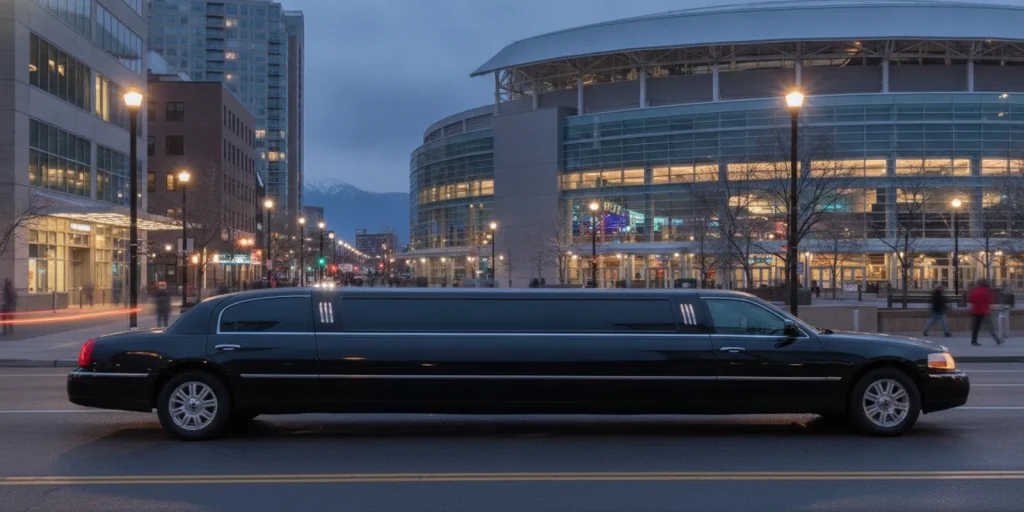
Planning Ball Arena parking is only one part of getting to an event. You also need a workable arrival time, a clear place for your group to meet, and a return plan. Comparing driving, rideshare, and a prearranged private ride before event day can help you choose an option that fits your party and schedule. For a detailed event-day itinerary, review Avi Limo’s Ball Arena schedule and ride planning guide.
Ask Avi Limo about planning your event ride.
What should you verify about Ball Arena parking?
Parking arrangements can vary by event, date, and venue operations. Do not rely on an old listing or assume that a lot, entrance, price, or payment method will stay the same. Check current information from the venue or event organizer close to your date. Confirm which areas are open, whether advance purchase is available, where the vehicle entrance is, what payment methods are accepted, any accessibility arrangements, and whether pickup or drop-off has a separate designated location.
Save current instructions on your phone and share them with everyone traveling with you. If you have a parking pass, verify its date and event and make it accessible before approaching the venue. Route to the entrance identified in current guidance rather than navigating only to the arena’s street address. For a broader look at transportation around the venue, read Avi Limo’s Ball Arena limo guide; this article focuses on parking and the logistics around arrival and pickup.
For general event access planning, official venue guidance should be the source of truth. The Ball Arena official website is the place to look for current event and venue information. Check the instructions for your specific date; do not infer a rule from a prior visit.
How should you compare driving, rideshare, and a private ride?
There is no single best choice for every event. Driving gives you control over departure, but you must manage parking and the exit. Rideshare avoids parking your own car but still requires a pickup plan. A prearranged private ride can coordinate a group and establish logistics in advance. Compare the full trip, including the return, rather than looking only at how you reach the arena.
| Option | What to arrange | May suit |
|---|---|---|
| Drive and park | Current lot details, route, pass or payment, walking route, and exit plan | People who want to manage their own schedule and are comfortable handling parking |
| Rideshare | Designated pickup instructions, a meeting point, group coordination, and app readiness | Small parties who prefer not to park and can coordinate a clear pickup |
| Prearranged private ride | Vehicle fit, pickup time and location, itinerary, and confirmed service terms | Groups who value coordination and want to discuss transportation beforehand |
Compare the door-to-door effort. For driving, account for travel to the area, finding a space, walking to the entrance, and leaving after the event. For rideshare, allow time to reach the agreed pickup point and connect with the driver. For private transportation, confirm where the chauffeur will meet you and how changes will be handled. A vehicle cannot necessarily wait wherever convenient; follow venue and provider instructions.

How can you make a parking plan work smoothly?
If you decide to drive, settle the parking question before leaving home. Review current event information, secure any required pass through an authorized channel, and make sure the driver knows the intended entrance. Agree on a fallback if the preferred area is unavailable. Avoid last-minute turns based on guesses when event traffic is building.
- Check the event details. Confirm date, start time, and event-specific parking instructions.
- Verify the parking choice. Review current availability, access, payment, and conditions through venue or organizer guidance.
- Share the plan. Send the driver and passengers the route, pass details, and a simple meeting point.
- Set a return routine. Choose a regrouping place that does not depend on everyone finding each other in a moving crowd.
Work backward from the time you want to be at the entrance. Include travel, parking, walking, and time to regroup. If anyone has mobility needs, check current accessible parking and route information directly instead of assuming the usual arrangement applies. For vehicle fit and passenger capacity, review Avi Limo’s vehicle options and confirm availability and capacity for your requested date.
What should you consider if you use rideshare?
Rideshare can remove the need to find parking, but it does not remove the need for a specific pickup plan. Check the venue’s current directions for permitted pickup and drop-off locations. Agree on one meeting point that is easy to recognize and does not obstruct pedestrian flow. A map pin helps, but send a plain-language description too, especially if phone service is unreliable in a crowd.
After the event, avoid splitting into separate requests unless the group has agreed to do so. Choose a regrouping point in advance and decide who will confirm that everyone is ready. Keep the app and payment method ready before walking to the approved pickup area. Do not assume a driver can stop at the arena entrance.
When is a private ride worth comparing?
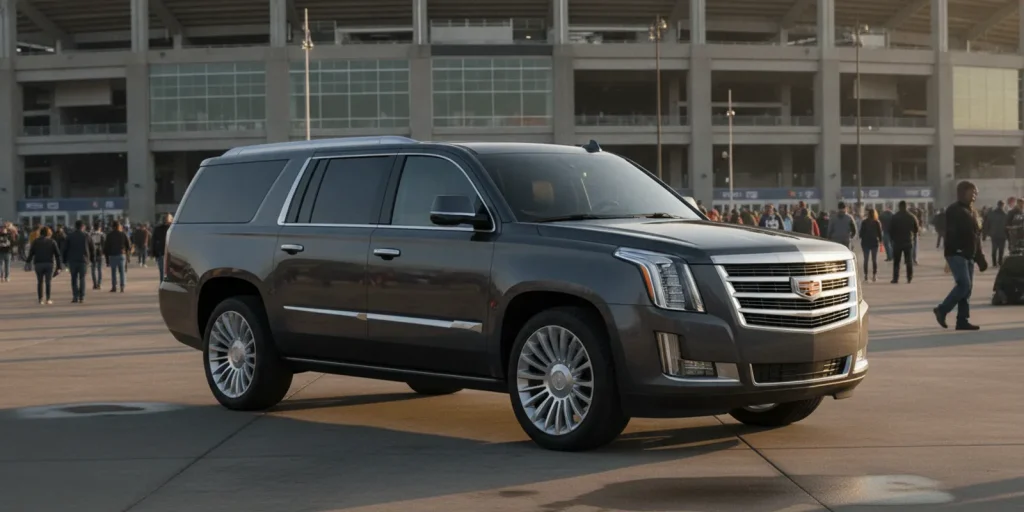
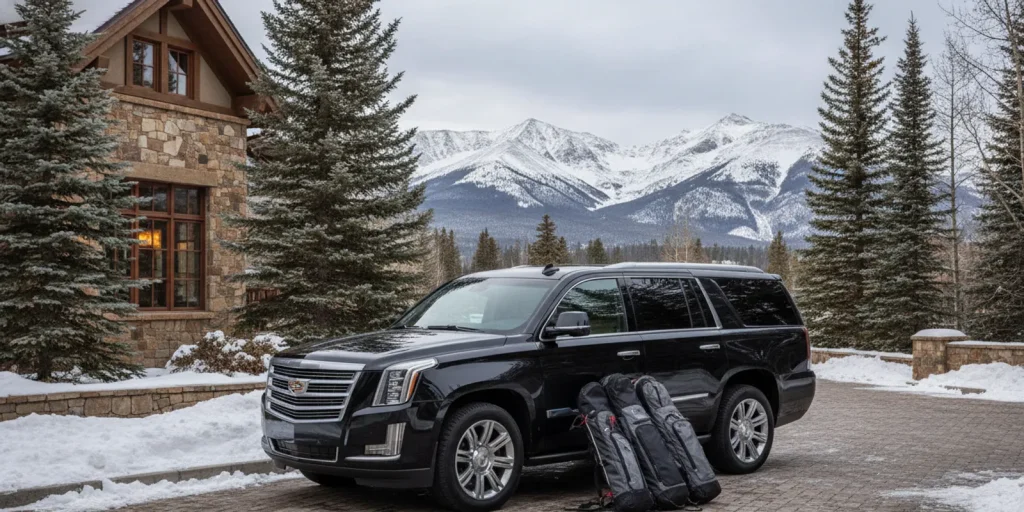
A private ride may suit a party that wants to coordinate transportation as part of the event plan. It can be useful to discuss the itinerary in advance when several people travel together, pickup timing matters, or the evening includes another stop. Avi Limo offers stretch limousines, Cadillac Escalade corporate SUVs, and Sprinter Executive vehicles; ask about fit, capacity, availability, and terms rather than choosing by appearance alone.
Avi Limo is a family owned and operated Denver transportation company. Its Denver transportation services can be discussed for event planning. When requesting information, include your date, passenger count, pickup and return addresses, approximate schedule, and planned stops. Confirm current terms for your specific request; do not assume a particular minimum or price.
Private transportation is not a way around venue rules. Confirm permitted drop-off and pickup arrangements, agree on a meeting point with the chauffeur, and follow instructions in effect that evening. If plans change, communicate promptly and ask whether the itinerary can be adjusted.
How should you plan the return pickup?
The end of an event can be the most confusing part of the trip. Before leaving home, decide who coordinates the group and how everyone will confirm readiness. If driving, note the parking location and save a map pin. If hiring a ride, confirm the designated pickup location, contact method, and what to do if the crowd takes longer than expected.
- Choose a recognizable meeting point away from the busiest flow, where permitted.
- Give every passenger the address or directions, not just the organizer.
- Set a regrouping window and an agreed way to handle delays.
- Keep phones charged and share relevant driver contact details with the group.
- Follow staff directions and traffic controls; never stop in an unsafe or unauthorized place.
Avi Limo’s reservation information can help you review booking details. You can also read its guide to requesting a limo quote and prepare trip details before contacting the company.
How can you build a realistic Ball Arena parking timeline?
Think of arrival as a sequence, not a single drive. Start with the time you want to reach the entrance. Work backward through the walk from the lot or drop-off point, time to park or meet your ride, and travel to the area. Add a buffer based on your route and current event instructions. This is more useful than copying a departure time from a previous game or concert, because conditions and access can differ.
Write a short itinerary everyone can read quickly: departure time, transportation choice, parking or pickup location, and the person coordinating. If you drive, include the planned lot and how passengers will reconnect if they arrive separately. If dropped off, state where the group should wait and who confirms that everyone is present before the vehicle departs.
For the return, decide whether everyone leaves together or regroups after the event. Keep the plan flexible enough for a delayed finish or a slow walk through the crowd, but make the meeting place specific. Agree on a backup, such as the organizer messaging when the group reaches the permitted area and passengers waiting there if they miss the first connection. Follow official directions and staff instructions if traffic control changes.
Separate essentials from optional details. Everyone needs the date, meeting point, and coordinator’s name. The driver or organizer may also need a parking pass, reservation confirmation, and addresses. Share these details beforehand so one person’s dead phone or late arrival does not leave the party guessing.
How should you compare total effort and trip requirements?
Think beyond the price of parking or ride fare. Write down the number of travelers, whether anyone needs accessible routing, how many vehicles would be needed, and whether you want to make another stop. Then compare the time and coordination burden of each option. A party that drives may value flexibility but must handle parking and departure. A group using rideshare should plan for gathering everyone and requesting a ride from the designated place. A private ride requires a clear itinerary and confirmation of terms, but those details can be discussed before event day.
For example, imagine six people traveling together from different starting points. If they drive separately, each driver needs a parking and meeting plan. If they meet first and ride together, the organizer must choose a convenient gathering point and confirm that the selected vehicle can accommodate the group. If they use multiple rideshare cars, they need a shared destination and a way to regroup after the event. The right comparison depends on the group’s priorities, not a universal rule.
Use a simple checklist: what is confirmed, what still needs verification, who owns each task, and when it must be done. Put event parking and pickup instructions in the first category only after checking current sources. Mark the travel buffer and return meeting point clearly. This turns an uncertain plan into a few manageable decisions.
What should you include in a ride request?
A clear request helps a provider respond to the actual trip. Include the event date, approximate schedule, pickup and destination addresses, passenger count, return needs, and any planned stop. Mention accessibility or luggage considerations when relevant. Ask how pickup will be coordinated and which details are confirmed versus subject to venue directions.
When comparing options, ask what the quoted arrangement includes and how a change to the itinerary would be handled. Review the company information page for context and the rates page alongside a quote. Confirm current pricing and terms directly for your requested date and service.
To make the request specific, separate fixed details from preferences. The event date, number of passengers, and addresses are fixed inputs; an earlier pickup or an additional stop may be preferences you are still weighing. Tell the provider which is which. If a passenger needs an accessible route or more time to board, raise that early so the plan can account for it instead of treating it as a last-minute change.
Also ask how the return is coordinated if the event ends later than expected. Clarify the agreed contact method, meeting location, and whether changes require confirmation. Keep the final arrangement in a message or reservation record available to the organizer. This makes it easier to compare proposals on equal terms rather than relying on memory or assumptions.
What does a practical event-day example look like?
Consider a family of four arriving from one address, with one person who prefers to minimize walking. The organizer first checks official event information for the current parking and access arrangements. If driving, the family confirms the lot’s route and accessible options, then saves the vehicle location and chooses a reunion point. If considering a private ride, the organizer shares the passenger’s needs and asks about vehicle fit, drop-off instructions, and the return meeting routine. The family can then compare actual effort and confirmed terms rather than making a choice based only on the ride to the arena.
Now consider friends coming from separate neighborhoods. They might meet at one starting point and travel together, or go separately and meet near the venue. The first plan reduces the number of arrivals to coordinate but requires everyone to reach the starting point on time. The second preserves individual flexibility but needs a clear venue meeting location and a backup if someone is delayed. Either can work when the group makes the decision before event traffic builds.
These examples do not establish venue rules. They show how to make the same questions concrete: what does each traveler need, where does the group join up, which details must be verified, and who handles a change? Write down the answers and share them. A brief message in the group chat is often more useful than a complicated plan no one remembers.
What if your parking or pickup plan changes?
Build a fallback that does not depend on an unsafe stop or an unverified shortcut. If a parking area is unavailable, follow current signs and staff directions rather than circling into restricted access. The driver can tell passengers where to regroup once parked. If a ride pickup location changes, have the organizer send one updated, plain-language message and wait at the newly authorized point.
For a prearranged ride, contact the provider promptly if timing or addresses change. Do not assume the driver can wait in a restricted zone or follow an unconfirmed route. Confirm any change to the return routine with the whole group, including passengers who may have left the venue separately. A plan is useful only when everyone is working from the same current version.
Request a quote for your Ball Arena event ride.
Frequently asked questions
Should I buy parking before event day?
Check current instructions for your specific event to see whether advance purchase is offered or required. Availability and terms can vary, so use current venue or event-organizer information.
Is rideshare pickup always at the arena entrance?
Do not assume so. Follow current designated pickup instructions and share the location with your group before the event ends.
How early should I leave for Ball Arena?
Work backward from the time you want to reach the entrance. Include travel, possible event traffic, parking or drop-off, the walk, and time to regroup. Check current event guidance for arrival timing.
What information should I have before requesting a private ride?
Have the date, passenger count, pickup and destination addresses, approximate schedule, return needs, and planned stops ready. Ask the provider to confirm vehicle fit, availability, terms, and pickup coordination.
Make your event-day plan before you go
The simplest plan is the one your whole party understands. Verify current Ball Arena parking or pickup instructions, choose the transportation option that fits your group, and share a clear return meeting point. Confirm private ride details in advance, then keep the relevant directions available on event day so you can focus on enjoying the event.