Call us: 303-455-4455
Use the official Ball Arena All Events page and calendar to confirm the event date, start time, and current details before arranging transportation. The ball arena schedule is the anchor for working backward from doors, parking, security. And your preferred arrival buffer, then planning how and where your group will leave after the event.
Event traffic is shaped by more than the posted start time. Attendance, venue access, road conditions, and the timing of other downtown activity can affect how much flexibility your ride needs. Verify the official listing close to your outing, then share the confirmed details with everyone in your group and your transportation provider.
Request a current Ball Arena transportation quote and planning help.
With the event details in hand, the next step is turning them into a practical arrival plan that accounts for the difference between getting to the area. Reaching the entrance, and being comfortably in your seat.
How to use the Ball Arena schedule to plan your ride
Start with the current event listing, then turn the details into a transportation brief before you request a ride. Ball Arena’s official All Events page is a useful place to verify what is scheduled, while the official Calendar page provides another way to check event timing. These pages should be your starting point instead of relying on an old social post, search snippet, or saved event listing.
Request a ride-planning quote for your Ball Arena event.
Build a schedule snapshot
Record the event name, date, listed start time, and the event type. Then note whether your group is attending a game, concert, family event, or another scheduled program. The event category can affect how many people may be arriving at once, but it does not tell you an exact traffic pattern or departure time. Confirm any changes on the official schedule close to the event.
Next, write down your group’s details: pickup address, number of passengers, luggage or equipment, desired arrival window, and whether you need a return ride. If people are coming from separate locations, decide whether one pickup sequence or a central meeting point is more practical. For a broader overview of venue access and transportation considerations, see the Ball Center limo guide.
Work backward from the event
Use the listed start time as the end point of your planning, not your departure time. Work backward from when you want to be at the venue, allowing time for the pickup sequence, the drive, event-night congestion, and the walk from the drop-off area. If you plan to park or use transit, check the venue and transit information separately. RTD says event start and end times, expected attendance, venue location, and infrastructure constraints all inform planning for high-volume events. It also monitors venue schedules near bus stops and rail stations, which is another reason to check current information rather than assume a normal commute.
For concerts and other venue stops across Denver, the Denver concert limo and venue guide offers additional planning context. Share your schedule snapshot when requesting service so the ride format, pickup plan, and return timing can be discussed for your specific event.
What time should you arrive at Ball Arena?
Start with the event start time, then work backward from the experience you want before the first song, faceoff, or opening act. The official Ball Arena calendar is the best place to confirm current event details.
The ticket or event page may provide a doors-open time. These are separate milestones, so do not treat the posted start as the moment you should pull up at the arena.
For parking, Ball Arena says its lots open three hours before an event starts. That is a venue-specific reference point, not a requirement to arrive three hours early. If you are driving, check the official parking and directions information for the current event and allow time to park, gather your group, and walk from the lot to the entrance.
Build the arrival plan around the steps before your seat
Decide what you want to do before the event begins. A group meeting for dinner, merchandise, or a relaxed walk through the venue needs more time than a guest who plans to go directly through security. If doors are listed, use that time as the earliest practical access point. Then add a personal buffer for parking, walking, security screening, restrooms, and finding the correct section.
As a planning recommendation, many groups can start by adding 30 to 45 minutes between their intended arena arrival and the event start. Treat that range as a personal planning buffer, not a Ball Arena rule. Add more time when your party includes children, older adults, guests with accessibility needs, multiple vehicles, or people meeting from different parts of Denver Metro. Confirm the details for your specific event because attendance and the event’s start and end times can affect transportation planning. RTD identifies those factors when preparing for high-volume events, along with venue location and infrastructure constraints. See its high-volume event guidance for context.
A scheduled vehicle can simplify the coordination piece. For groups, Denver sporting-event limo service can provide one pickup plan instead of several arrival times. For a broader game-night checklist, see the Denver game night limo guide. Share the confirmed event time, preferred arrival time, pickup addresses, group size, and any parking or accessibility considerations when requesting a quote.
How event type changes your Ball Arena timing plan
The kind of event affects more than when you want to arrive. A concert, a professional game, and a family event can create different entry and traffic patterns.
Use the current official Ball Arena event listing. Do not rely on an old search result or social post.
Concerts often bring a concentrated arrival window, particularly when many attendees are traveling from across the Denver area. Plan around the published event information, your preferred arrival buffer, and the time your group wants to be inside. If you are coordinating a larger party, review Avi Limo’s guidance on Ball Arena concert transportation alongside the event details. A chauffeur plan can make the arrival sequence easier to coordinate when parking, walking, and meeting points would otherwise involve several separate decisions.
Sports events may have a more predictable start time, but the end of the event can be less precise because the length of play varies. Build the return plan around a flexible pickup window or a clearly communicated post-event meeting plan. Avi Limo provides luxury transportation for concerts and sporting events, with service arranged for the group’s needs rather than treated as a universal timing formula.
Family events can involve mixed ages, strollers, accessibility needs, or guests who prefer a less rushed arrival. Allow additional time for loading and unloading, and confirm the arrangement before booking. For broader route and service considerations, see this guide to Denver transportation options.
Large events also deserve a separate traffic check. RTD defines high-volume events as activities drawing many attendees into a concentrated area and timeframe. The agency considers start and end times, attendance, venue location, and infrastructure constraints when planning transportation, and may add vehicles, staff, signage, or crowd barriers. Review RTD’s high-volume event guidance before leaving. Avi Limo event transportation may be arranged as hourly service or pick-and-drop, with terms and minimums varying by arrangement. So match the format to the event type and your group’s actual schedule.
How should you plan the ride home after an event?
The ride home deserves its own plan because the end of an event is not always a clean handoff. Before leaving, agree on who will communicate with the driver, what information that person will share, and what happens if the group exits at different times. Keep the plan flexible rather than promising a fixed curb spot. Venue operations, traffic control, and the crowd leaving at once can affect where a vehicle can safely approach.
For a larger event, work backward from the scheduled end time and allow a realistic post-event buffer. RTD describes high-volume events as drawing many people into a concentrated area and timeframe, which increases transportation demand and requires crowd management. Its planning considers event start and end times, attendance, venue location, and infrastructure constraints. Those conditions can make the first few minutes outside the venue less predictable, even when your reservation details are confirmed. See the Denver game-day pickup planning guide for related event transportation considerations.
Choose a primary plan and a fallback
Your primary plan might be to leave together after the final performance, period, or presentation. A fallback could be regrouping at a previously agreed nearby location only when your driver confirms that the location is lawful and accessible. Do not assume that an apparently open street is an acceptable waiting area. Denver says that during events with more than 20,000 attendees, enforcement actively monitors on-street parking around the stadium area. Illegally parked vehicles may be ticketed and could be towed. Review the city’s event-area parking restrictions before making an informal curbside plan.
Public transportation can also be a useful fallback, but verify it before event day. Denver encourages public transportation for large events and advises travelers to check RTD schedules before their trip. The Ball Arena / Elitch Gardens Station is at 1700 9th Street, has no RTD parking, and serves three rail lines. That makes it a transit option, not a guaranteed substitute for a coordinated vehicle pickup. For broader venue context, review the Ball Arena limo ride planning guide, then confirm the event’s current conditions and your specific pickup communication plan with Avi Limo.
Parking, rail, or chauffeur? Compare Ball Arena arrival options
The best arrival method depends on how much flexibility you need after checking the current Ball Arena schedule. Parking gives you control over your departure, rail avoids the need to find a space, and a chauffeur can simplify a group pickup and drop-off. Each option still needs an event-specific plan.
Personal vehicle and parking
Verify: Lot availability, entry route, event demand, and current parking details.
Advantages: A private vehicle offers a flexible departure after the event.
Tradeoffs: Ball Arena lots open three hours before event start. On-site pricing can change with demand, attendance, and availability. Check the official parking and directions page. Denver meter rates and time limits vary by location. Meter hours are posted at the kiosk. Review Denver street-parking rules.
RTD rail
Verify: Current rail schedule, connections, and the return plan.
Advantages: Rail reduces the need to drive into the event area.
Tradeoffs: The Ball Arena / Elitch Gardens Station is at 1700 9th Street. It has no RTD parking and serves three rail lines. Confirm station details. Large events can increase transportation demand, so check RTD before leaving.
Chauffeur or drop-off
Verify: Pickup addresses, group size, event schedule, and post-event communication.
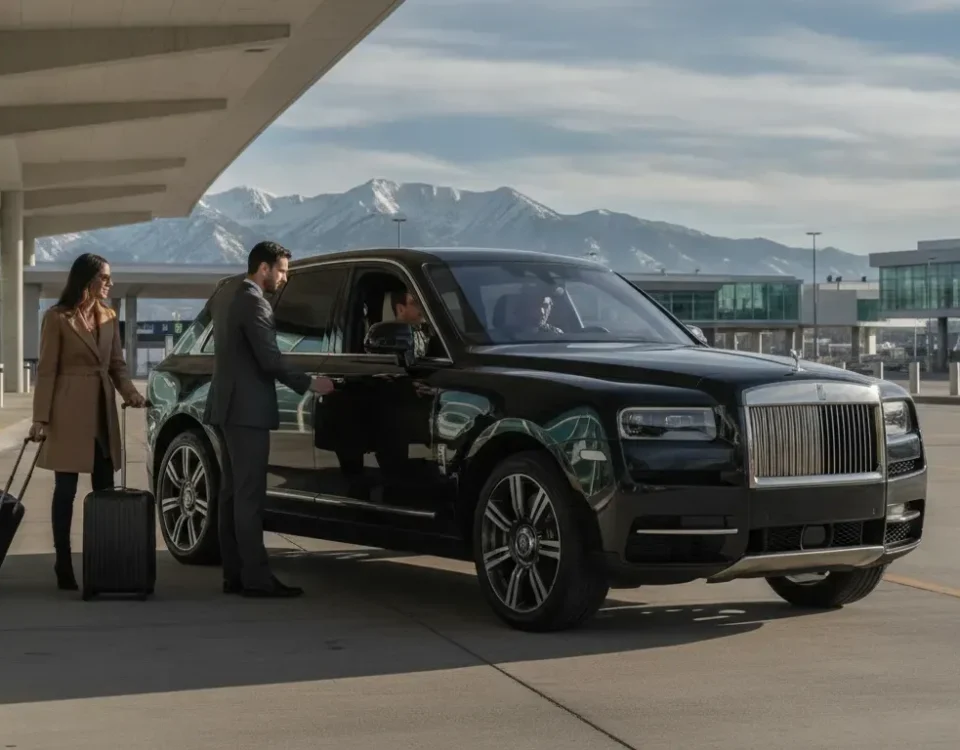
Advantages: Coordinated door-to-door planning avoids parking a personal vehicle.
Tradeoffs: Drop-off and pickup routing can depend on event traffic and venue directions. Ball Arena publishes approach guidance for I-25, Speer Boulevard, Auraria Parkway, and nearby entrance streets. Review the venue directions. Service format and terms should be confirmed for the specific booking.
Denver also notes that PayByPhone may allow eligible parking sessions to be extended remotely, but setup requires a mobile number, payment card, and license plate information. Check the city guidance before relying on that option. For a broader view of Denver transportation options, compare the route, group needs, and return plan rather than choosing only by arrival convenience. Avi Limo offers Denver limo services for event transportation, with hourly and pick-and-drop arrangements varying by booking.
Which vehicle and service format fit your group?
The right vehicle depends on more than the number of people holding tickets. Consider how much room your group needs to sit comfortably, whether anyone will bring coats or other items, and whether everyone is traveling together for the full outing. Avi Limo serves Denver Metro and surrounding Colorado communities, with event transportation for concert and sports fans who want to avoid parking hassles.
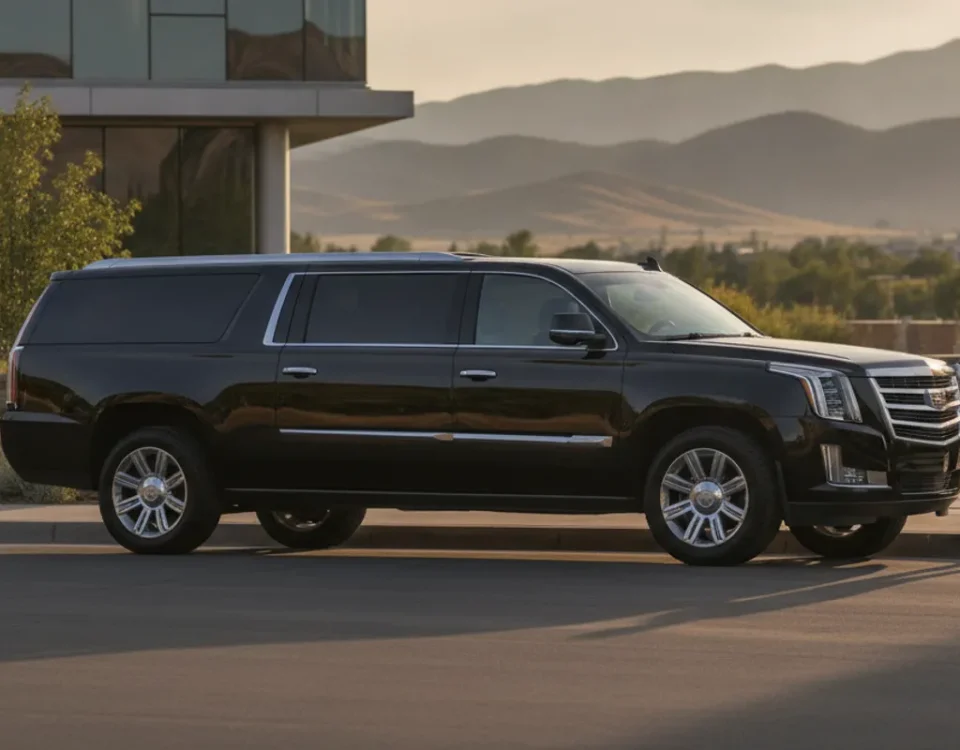
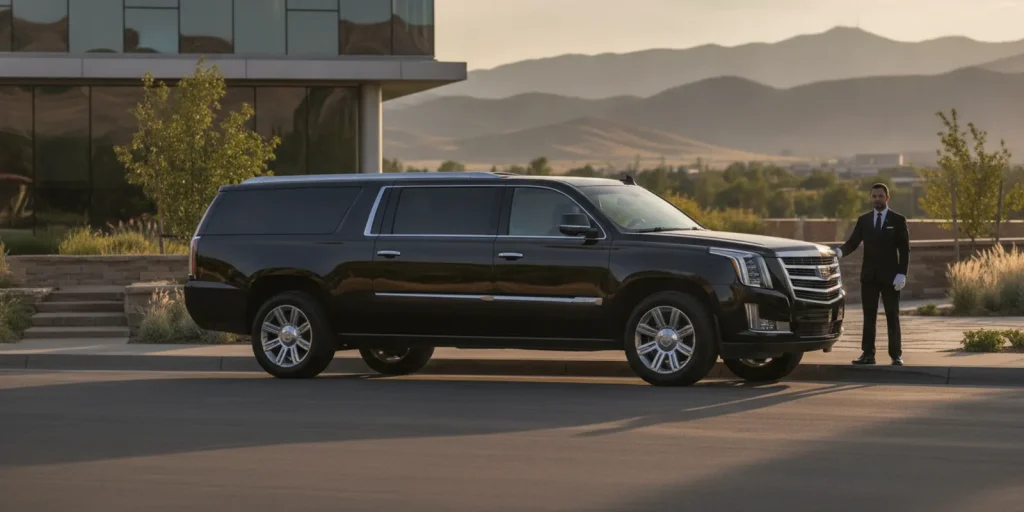
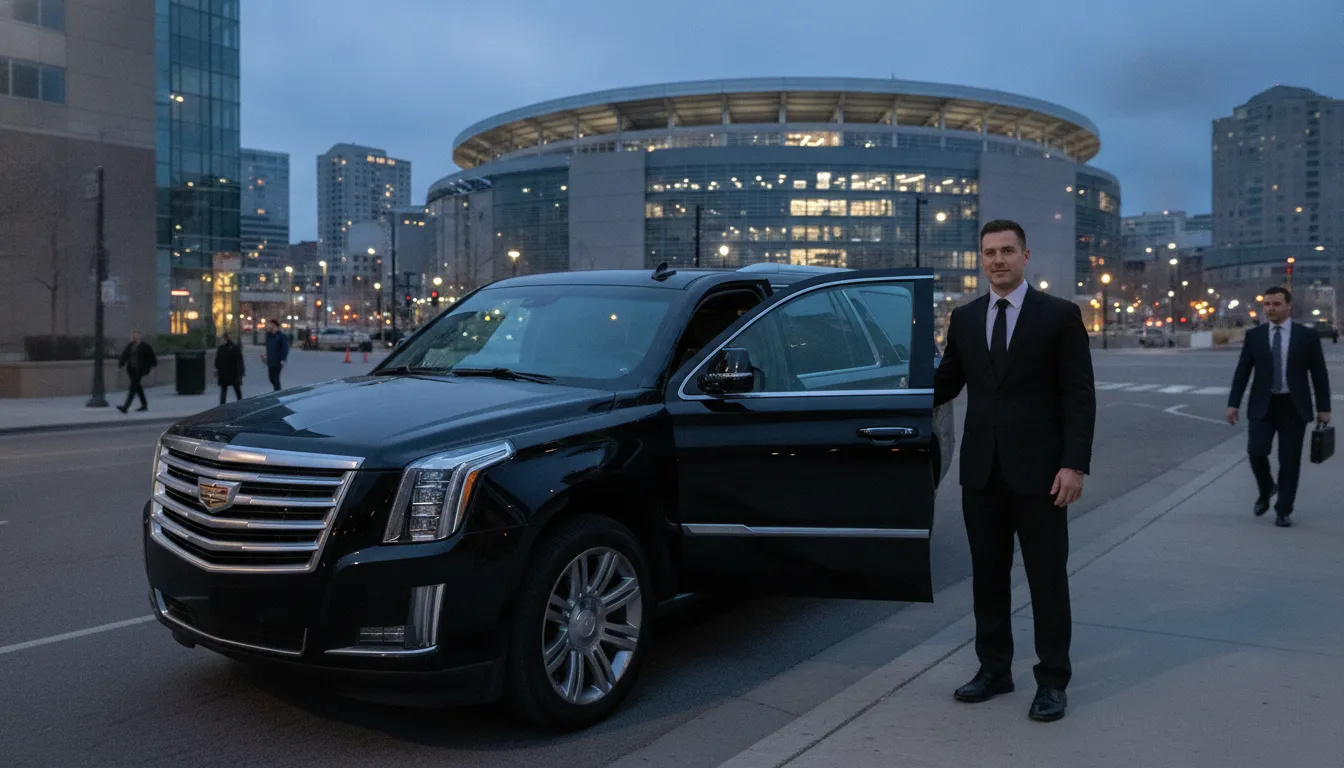
For a smaller group, the listed six-passenger Cadillac Escalade ESV may be a practical fit. A 10-passenger stretch limousine can suit a larger party that wants to stay together, while the listed 11-passenger Ford Transit may provide another group-oriented option. These capacities are useful starting points, not a substitute for confirming the actual vehicle, passenger count, and luggage or personal-item needs for your booking. Review the vehicle options and group capacities before requesting a quote.
Think about the service format alongside the vehicle. Hourly service can make sense when your group wants transportation available before the event, through a planned outing, and afterward. Pick-and-drop service may be more appropriate when the ride has a defined pickup and return arrangement. Event transportation can be hourly or pick-and-drop, and service terms and minimums vary by arrangement. There is no universal format that fits every Ball Arena schedule, so share the event date. Expected arrival and departure plan, passenger count, and pickup addresses when you contact the company.
Avi Limo’s Denver limo services can be reviewed alongside your event plan, but vehicle availability and fit must be confirmed for the specific booking. For a current recommendation and quote, contact Avi Limo with the details your group already knows.
Ball Arena schedule checklist before you leave home
A few minutes of checking can prevent a rushed arrival or a difficult pickup after the event. Work through this list before the group heads out:
- Verify the current event listing. Check Ball Arena’s official All Events page and calendar. Confirm the event date, published start time, and any available doors or entry information. Listings can change, so avoid relying on an old screenshot or search snippet.
- Work backward from the time you want to be inside. Account for doors, security, walking from the drop-off point or parking area, and your group’s pace. Event start and end times, attendance, venue location, and infrastructure constraints all affect transportation planning, as RTD explains in its high-volume event guidance (F018).
- Check the route and arrival conditions. Review the venue’s parking and directions page (F003), then check traffic, construction, weather, and road conditions for your departure window. If you plan to use transit, Denver recommends checking RTD schedules before the trip (F015).
- Confirm the group’s practical details. Count every passenger, identify luggage or equipment, and choose a meeting point that everyone understands. For game-day pickup planning, review Denver sporting-event transportation options.
- Set a pickup communication plan. Decide who will message the driver, what number or messaging channel the group will use, and how you will communicate if the event ends later than expected. For broader route choices, see this Denver transportation services guide.
- Build a realistic buffer. Allow extra time for concentrated event traffic and crowded exits rather than assuming a normal evening route. Keep the plan flexible without promising a universal travel time.
- Confirm the quote terms before departure. Recheck the date, service format, pickup and return details, passenger count, vehicle fit, and any quoted timing or minimums. Event service may be hourly or pick-and-drop, with terms varying by arrangement. If anything is unclear, request confirmation before leaving home.
Confirm your Ball Arena transportation plan before event day.
Frequently Asked Questions
Where should I check the Ball Arena schedule before planning transportation?
Start with Ball Arena’s official All Events page and calendar. Confirm the event date, listed start time, and any updated event information before you set a pickup or departure plan. Do not rely on an old search result or a previous visit.
How early should I arrive at Ball Arena?
Work backward from the event start time, allowing room for your route, entry process, and the group’s needs. If you are driving, the venue says its parking lots open three hours before an event starts. But that does not mean every traveler needs to arrive that early. Use the event type, expected crowd, and your arrival priorities to choose a practical buffer. Check the venue’s current parking guidance.
Is rail a practical alternative to parking for an event?
It can be, provided the rail schedule and your return plan fit the event. RTD’s Ball Arena / Elitch Gardens Station is at 1700 9th Street and serves three rail lines, but the station has no RTD parking. Review the station details and check RTD schedules before traveling, especially for a high-volume event.
How can I coordinate a ride home after the event?
Decide before arrival whether you will return to a parked car, meet a driver, or use rail. Set a clear meeting plan and keep the event’s expected end time, group size, and likely crowd conditions in mind. For chauffeur service, confirm the pickup arrangement and service format in advance, since event transportation may be hourly or pick-and-drop and terms vary by arrangement.
What should I verify if I plan to park near Ball Arena?
Review official parking directions and confirm the rules for the space you choose. Denver says meter rates and time limits vary by location and that meter hours are posted on the meter or kiosk. During some large events, illegally parked vehicles in monitored areas may be ticketed or towed, so use designated parking and verify conditions before leaving your vehicle. Review Denver’s street-parking guidance.
Ready to plan your Ball Arena ride?
Once you have confirmed the current event schedule, a transportation plan can help your group coordinate pickup timing, vehicle fit, and the trip home. Share your event date, group size, pickup details, and preferred timing so the team can review the trip with you.