Call us: 303-455-4455
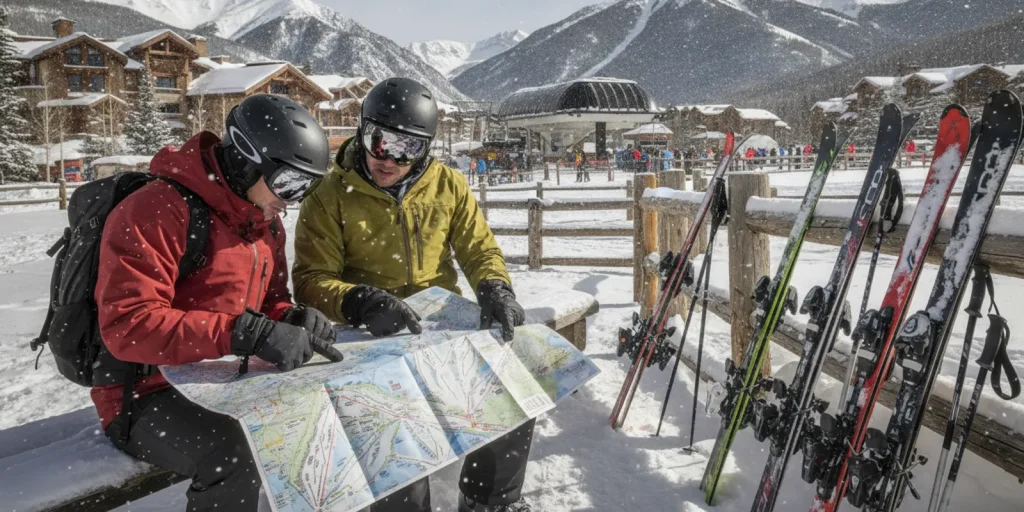
A copper mountain map is useful for more than locating lifts. It can help your group separate the drive-in destination from the first activity, understand where you will walk with equipment, and agree on a specific return meeting point. Before traveling from Denver or another Colorado destination, use the resort’s current map to plan those details, then confirm the vehicle stop with your lodging or activity provider.
Plan your Copper Mountain ride with Avi Limo.
How should you read a Copper Mountain map before you travel?
Begin with the current map published by Copper Mountain Resort, then identify the places that matter to your particular itinerary. A resort map is designed to orient visitors around the destination. It may show base areas, lifts, trails, facilities, and pedestrian routes, but it is not automatically a complete set of vehicle directions or pickup instructions.
Mark these four items separately rather than relying on one general pin labeled “Copper Mountain”:
- Your lodging: Record the property’s full name and street address. If the property has more than one entrance, ask which one guests and vehicles should use.
- Your first activity: Mark the exact base area, lesson meeting place, rental shop, or other destination you need to reach first. A nearby lift symbol may not be the same as the place where your group checks in.
- Your vehicle arrival point: Confirm a practical stopping point with the property or transportation provider. A map pin in a pedestrian area or on a trail is not a usable vehicle destination.
- Your return meeting point: Choose a recognizable location and verify that it is appropriate for pickup at the planned time. Do not assume it will be the same point used for drop-off.
Use map labels as clues, not as a substitute for confirmation. A lodging name can cover multiple buildings; an activity name may refer to a broad area; and a drawn pedestrian route does not prove that a vehicle can reach its end. Save the map and written directions together so one can help you interpret the other.
What can a Copper Mountain map tell you about arrival and access?
The main planning question is not only “Where is Copper Mountain?” It is “Where exactly should this trip end?” Your group may be heading to overnight lodging, a base-area gathering point, a lesson, or a meeting with friends. Those destinations can require different stopping and walking plans. Make the destination precise before you request transportation.
For a lodging arrival, use the property’s preferred vehicle entrance and follow its instructions about loading or unloading. If you are unsure whether a driveway, porte cochere, or nearby road is available for a vehicle, ask the property rather than inferring access from the map. For an activity meeting, use the organizer’s exact location name and check whether there is a separate check-in point. Share those instructions with the driver and with the other adults in your party.
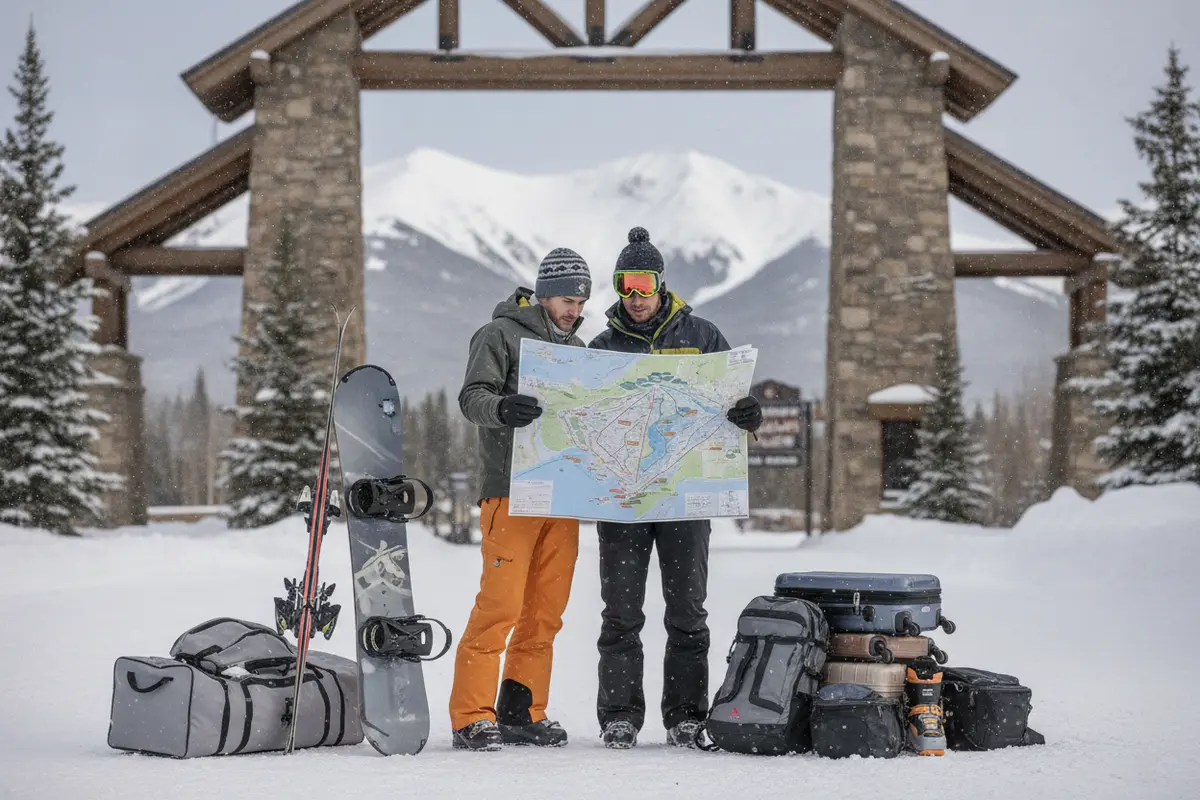
It also helps to separate three different kinds of directions:
- Driving directions take the vehicle to an approved destination or stopping point.
- Walking directions take travelers from that point to lodging, check-in, or the slopes.
- On-resort navigation helps the group move among its planned destinations after arrival.
A route that looks short on a screen can still involve gathering bags, crossing a busy area, or walking with boots and equipment. Plan around the actual task rather than judging distance by the line on the map. If anyone in your party has mobility needs or is carrying several bags, discuss the walk and loading point in advance with the property or provider.
For mountain travel, check current state travel and road information through the Colorado Department of Transportation before departure. A resort map helps with orientation at the destination; it does not replace a current road check or the trip-specific access instructions you receive.
How can you turn the map into a simple resort navigation plan?
Build the day in sequence. Write down where you will arrive, where you need to go first, where the group may split up, and where everyone will regroup. This is more useful than saving a collection of map pins without saying what each pin means.
- Choose the first stop. Decide whether the group should go to lodging, rentals, a lesson, or another scheduled activity first. Mark the exact meeting point and note its name in plain language.
- Set a fallback meeting place. Pick a recognizable place that the group can identify if phones lose signal or someone becomes separated. Tell each traveler what it is and when to use it.
- Check the walking leg. Look at the path from the vehicle stop to the first destination. Consider boots, children, bags, and the time needed to collect and organize equipment.
- Plan transitions. If the group will go from lodging to rentals or from a lesson to another base-area destination, record each leg instead of assuming that one central point serves every purpose.
- Agree on the return plan. Set the pickup point and time before people scatter. Give everyone the address or location name, the driver contact plan, and a clear instruction for what to do if the schedule changes.
Use the resort map for orientation and use separate driving directions for the vehicle. Save both on each adult’s phone, and keep an offline copy or written address as a backup. A screenshot can be helpful, but verify it is current and readable; an old image may not reflect current labels or access arrangements.
For broader trip context, review Avi Limo’s Denver and service-area information, then identify the exact Copper Mountain destination for your own trip. The company’s mountain transportation guide can also help you think through questions to ask for a Colorado resort journey, but your Copper Mountain address and schedule should determine the details.
How should you handle map changes and group coordination?
Keep one itinerary as the source of truth for the group. A common source of confusion is that one person shares a map pin while another sends a property name, and each traveler assumes those are the same destination. Write the full destination beside each pin: for example, “lodging entrance,” “lesson check-in,” or “return pickup.” Add the relevant time and a person responsible for confirming changes. This small amount of labeling makes a map useful to people who did not create it.
When plans change, update the location and the instructions together. If a lesson time moves, check whether the meeting point is unchanged. If the group switches lodging or adds another stop, tell the transportation provider and all travelers who need the new information. Do not rely on a forwarded screenshot without context; add a short message that says what changed, which earlier instruction is no longer current, and what the group should do instead.
It can also help to keep separate map views for different tasks. A resort-wide view gives the group orientation; a closer view may make a labeled meeting point easier to recognize. A driving-navigation app is useful for the road leg, while the resort map helps explain the destination after arrival. These views complement each other, but neither should be treated as proof that a vehicle can enter a pedestrian space. Confirm actual access independently.
Before setting out, ask one traveler to read the plan aloud: pickup address and time, destination, arrival instructions, and next meeting point. Another adult can compare those details with the saved map. If the two do not match, pause and resolve the difference before the group departs. This quick check is especially useful when several households are traveling together or when the organizer will not be present for every leg.
What should you include when traveling with skis, boards, and luggage?
A map can show where you need to go, but it cannot tell a transportation provider how much room your party and gear will need. Count people and belongings separately. Include skis or snowboards, boots, helmets, large suitcases, child equipment, and any other bulky items. A passenger total by itself does not describe the full load.
Make a simple list before requesting a ride. For example: “four adults, two children, three ski bags, one snowboard bag, six suitcases, and four backpacks.” Adjust the list to your actual party. If some travelers will carry equipment separately or rent it at the resort, say so. Clear details give the provider a basis to check vehicle suitability rather than relying on an assumption about capacity.
| Planning item | What to verify on the map or with the property | What to tell the ride provider |
|---|---|---|
| Arrival | Exact address, entrance, and vehicle access point | Property or destination name plus written access instructions |
| Party | Where everyone gathers after unloading | Passenger count, including children |
| Equipment | Where rentals are collected or returned | Number and type of skis, boards, bags, and other bulky items |
| Return | Approved pickup point and walking route to it | Requested time, meeting point, and contact plan |
| Schedule | First activity and any later destination changes | One-way, return, or additional transportation needs |
Vehicle capacity is only one part of the decision. Avi Limo lists different vehicle formats, including an 11-passenger Ford Transit and a six-passenger Cadillac Escalade ESV. Those figures do not by themselves establish how a particular passenger-and-gear combination will fit. Review the vehicle information and ask the provider to confirm suitability for your actual list. Do not select a vehicle based only on the number of seats.
Keep essential items easy to reach during loading and unloading. Put medication, documents, gloves, and any time-sensitive items in a separate day bag rather than burying them in a large suitcase. Before the vehicle leaves, count bags and equipment against your list. At the resort, have one adult keep track of the group’s belongings while others guide children or carry equipment to the next stop.
How do you coordinate a private ride around the map?
Send the provider a concise trip brief that connects the map to a real itinerary. Include enough detail to evaluate destination access, timing, vehicle fit, and the kind of service you need. A complete request is easier to confirm than a message that says only “ride to Copper.”
- Pickup address and requested pickup time.
- The exact Copper Mountain destination, lodging entrance, or meeting point.
- Passenger count and children’s ages where relevant to seating arrangements.
- Quantity and type of equipment, luggage, and other bulky items.
- Whether you need a one-way ride, a return, or transportation at more than one time during your stay.
- Any access, loading, or pickup directions supplied by the property or activity organizer.
- A contact person for the trip and the best way to reach that person if a detail changes.
Ask the provider to confirm the proposed service format, vehicle suitability, timing, quoted amount, and any applicable minimums or policies before finalizing plans. Service minimums vary and are confirmed at quote; do not assume a universal hourly minimum. Avi Limo’s rates information and reservation details and policies are useful starting points for questions. You can also use its ride quote guide to organize the information you will send.
When reviewing the plan, compare each stop against your map. Does the written destination identify the right building or access point? Does the pickup location allow the group to gather without guessing which side of an area to use? Do the planned times account for walking, unloading, and collecting gear? Resolve unclear answers before travel day rather than asking the group to improvise at the curb.
Avi Limo offers multiple service formats; learn more about its transportation services and ask which one fits your specific itinerary. If the trip includes a change of plans, update the provider and the group with one consistent location and time. Avoid sending separate, conflicting instructions to different travelers.
What does a practical map-based trip plan look like?
Consider a family arriving with children, ski bags, and luggage. The adults first identify the lodging on the current resort map, but they do not treat the lodging label as the vehicle stop. They contact the property to confirm the correct entrance, then send that address and instruction to the transportation provider. Their ride request lists the passenger count and all bags and equipment. Before the travel day, the family agrees that one adult will coordinate with the driver while another keeps the children and equipment together.
For the first resort morning, the family marks the lesson meeting place separately from the lodging. They check the walking route and decide when to leave based on the time needed to get dressed, move equipment, and regroup. They also set a return point that everyone can identify. If the lesson ends somewhere different from where the group started, the plan states how to meet rather than assuming everyone will find the same place.
The value of this plan is not a promise that every part of the day will go exactly as drawn. It gives the group a shared reference when something changes. If weather or an activity schedule affects timing, the adults know which destination to update, whom to contact, and where the group should wait. Keep the map, addresses, confirmation, and contact details together in the trip itinerary.
What should you check before leaving for Copper Mountain?
Use this final check the day before and again before departure:
- Confirm the current map and the exact lodging or activity destination.
- Verify the vehicle entrance, unloading location, and return pickup point with the appropriate property or provider.
- Check that every traveler knows the meeting point and has the address or location name.
- Recount passengers, luggage, skis, boards, and other bulky items; send any changes to the provider.
- Review current road and weather information and allow a realistic buffer for mountain travel.
- Keep contact details, booking information, and an alternate communication plan accessible.
For a private ride plan, Avi Limo’s contact page is the place to share your trip details. Include the map-based destination information, not just the resort name, so the transportation conversation starts with the points that matter to your itinerary.
Share your Copper Mountain itinerary and request a ride plan.
Frequently asked questions
Where should I get a current Copper Mountain map?
Use current visitor resources from Copper Mountain Resort and verify specific access arrangements with your lodging or activity provider. A map is a useful orientation aid, but it may not state where a vehicle should stop.
Is one map pin enough for drop-off and pickup?
Not always. Lodging entrances, activity meeting places, and return pickup locations may be different. Confirm a separate point for each leg and label each one in your itinerary.
What should I tell a transportation provider about ski gear?
Give the passenger count and describe the equipment and luggage separately. Include the number of skis or snowboards, boots, large bags, and other bulky items so the provider can assess the complete load.
Should I use the resort map for driving directions?
Use it to understand the resort layout, then use verified vehicle directions and access instructions for the drive. Driving, walking, and on-resort routes serve different purposes and should not be treated as interchangeable.
Share your Copper Mountain itinerary and request a ride plan.
A verified arrival point, a realistic equipment list, and a clear return meeting place help your group and driver work from the same Copper Mountain plan.