Call us: 303-455-4455
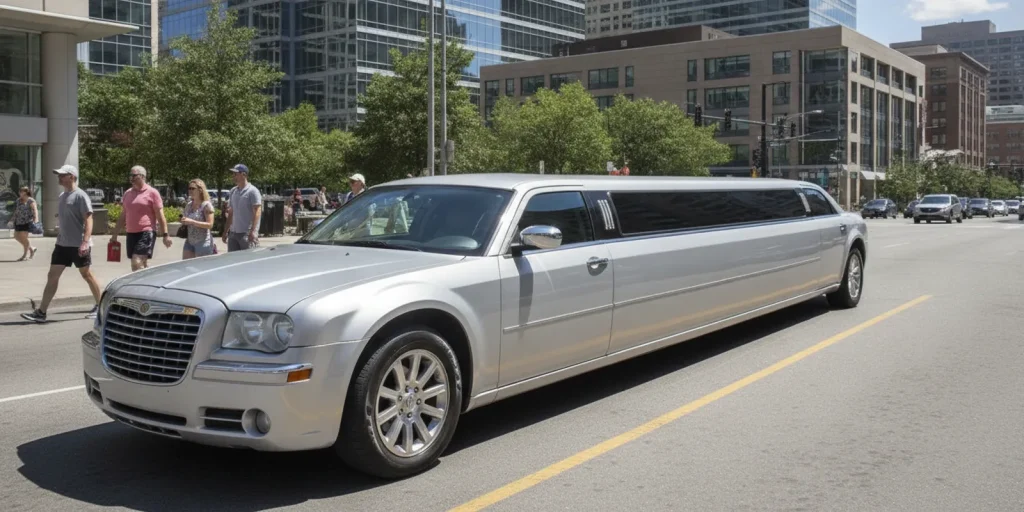
Planning Coors Field parking is only one part of a smooth game-day trip. Your group also needs a realistic arrival buffer, a clear plan for the final approach, and an agreed way to reconnect after the game. This guide focuses on those access logistics—not a full ballpark guide—so you can compare options and decide what to verify before leaving home.
Plan your game-day ride with Avi Limo.
What should you check before choosing Coors Field parking?
Start with the current event-day information from Coors Field and the Colorado Rockies. Parking availability, prices, access instructions, and traffic controls can change by game or event. Confirm the current details before committing to a location; this guide does not assume that a particular lot is open, quote a current fee, or promise that a specific curb is available.
For venue transportation information, consult the Colorado Rockies’ official ballpark transportation page. For city-managed streets and access notices, use the City and County of Denver’s official website as a starting point and follow any current event directions and posted signs. Keep the date and event in mind: an old map, a prior game’s directions, or a general map pin may not reflect the conditions on your visit.
Compare the whole trip rather than the parking price by itself. Include the drive to the area, the time needed to enter a parking facility, the walk to the entrance, and your expected departure after the final out. Then consider who is coordinating the party. If several people arrive separately, they may need more time to meet and pass along tickets or other items. A transportation choice is easier to assess when you have written down both the arrival and return steps.
| Plan | What to verify | May suit your group when | Trade-off to plan for |
|---|---|---|---|
| Venue or nearby parking | Current availability, payment, entrance, walking route, and exit instructions | Your party prefers to drive and can coordinate its arrival | Approach traffic, walking time, and postgame regrouping take planning |
| Drop-off and arranged pickup | Permitted locations, event restrictions, driver instructions, and a precise meeting point | Your party wants to avoid parking a vehicle | Pickup rules and congestion can vary; confirm the plan for the date |
| Chauffeured transportation | Vehicle fit, itinerary, pickup timing, return plan, and quote terms | Your group values one coordinated ride | Needs advance communication and a confirmed schedule |
| Separate rides | Each passenger’s arrival, departure, and communication plan | Travelers have different schedules or starting points | More coordination and a greater chance of people becoming separated |
How do you build a useful arrival buffer?
Work backward from when you want to be at the entrance, not just from the scheduled first pitch. Add the time for the trip across Denver, the approach to a lot or drop-off point, parking or unloading, and walking. If you want to meet friends or get everyone organized before entering, include that time too. There is no single departure time that works for every starting point and event.
- Choose a gate-arrival target. Agree on when the party wants to reach the entrance. Share that target with every passenger, including anyone who is meeting you there.
- Check the trip from your actual starting point. Look at the route close to departure and account for likely event-day delays. Do not treat a normal-day drive estimate as a guarantee.
- Add the last stretch. Allow time to enter the parking area, locate a space, walk from the vehicle, or reach the authorized drop-off point. Include time to orient the group once everyone is on foot.
- Set a buffer that reflects uncertainty. If the route or parking plan has several steps, give yourself more room than you would for a direct, familiar trip. A buffer is useful only if it is realistic for your group to leave on time.
- Choose a late-arrival fallback. Decide where a delayed passenger should go and whom to contact. Avoid making the whole party change locations based on an unclear last-minute message.
For example, say your group wants to be at the entrance at a particular time and expects the drive to take about 35 minutes under the conditions shown when you check. Do not simply subtract 35 minutes from the target. Add separate blocks for the parking approach, walking, and the possibility of a slow event-day route. If the parking entrance is backed up, the extra time protects the rest of the plan; if the trip goes smoothly, your party has time to regroup without rushing.
Assign one person to send the final instructions and keep the current venue information handy. If your trip has multiple pickup addresses, tell everyone the order of stops and the latest time they should be ready. A clear shared message is more dependable than asking each passenger to reconstruct the plan from scattered texts.
How should you plan the final approach to Coors Field?
Separate the drive from the final approach. A route can reach the neighborhood without answering the practical questions: which entrance should the driver use, where can the vehicle stop, how far will the group walk, and what should happen if the intended route is restricted? Check the official event instructions for the date and follow signs and directions on the ground.
If you are driving, save the parking destination and its entrance details before departure. Confirm whether the location accepts your planned payment method and whether any advance arrangement is needed. Then share the same destination with passengers, so the driver and group are not navigating toward different locations. If someone else is driving, agree on where the passengers will wait and how they will communicate if the vehicle is delayed.
For a drop-off, do not assume that a convenient curb beside the ballpark allows stopping. Select a location only after confirming that it is permitted for the event and vehicle. Tell passengers the exact meeting point, not just “near the stadium.” If the driver needs to continue elsewhere, confirm what the return arrangement is before anyone gets out.
When choosing a meeting point, favor a recognizable place that is safe to reach on foot and easy to describe in a short message. Check that the group can wait there without blocking a doorway, driveway, or pedestrian route. If a site becomes crowded or unavailable, use a pre-agreed alternative rather than searching for one while everyone is already trying to leave.
How can you make a postgame pickup easier?
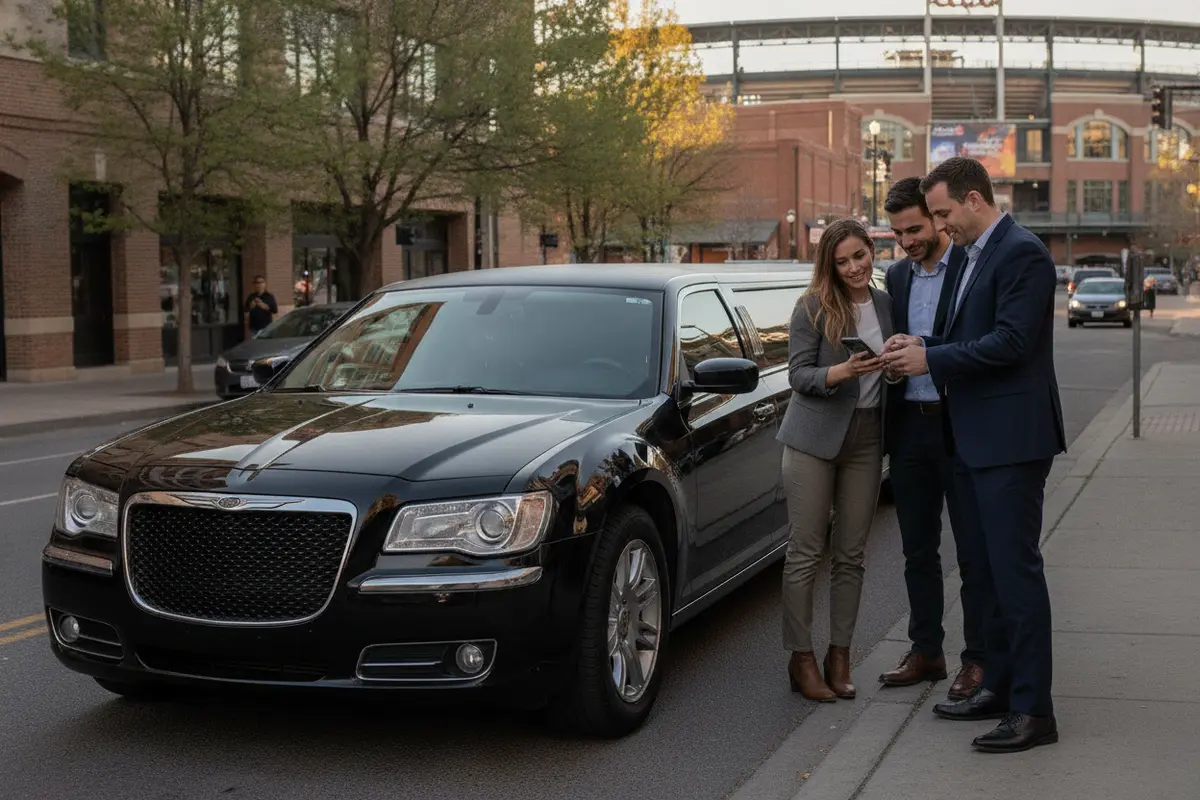
Set the return plan before the game begins. A broad instruction such as “call when it ends” leaves important details unresolved: where the party should walk, whether the driver can wait, and what to do if mobile service or event traffic complicates communication. Confirm the location, timing expectations, and backup procedure with the driver or transportation provider in advance.
Share the pickup point in one message with a written description and a map pin when appropriate. Ask everyone to save it, including anyone who may leave the venue separately. Name one person as the group contact so the driver does not have to coordinate with several passengers at once. If the agreed location changes because of official directions or conditions, make sure the update reaches every traveler.
Consider the group’s likely exit pattern. Some passengers may want to leave promptly, while others may need extra time to reach the meeting point. Set a simple sequence: who checks that everyone is ready, who contacts the driver, and where the group waits if a passenger is delayed. If your party has a firm onward commitment, communicate it when arranging transportation rather than assuming the driver knows the schedule.
A planned pickup should remain flexible enough to respond to changing conditions, but not so vague that no one knows what to do. Ask how a provider handles a delayed exit or a blocked meeting point. If you are driving yourself, identify a safe place to regroup that is separate from the vehicle’s parking space and make sure all passengers know how to return there.
How should group size shape the ride plan?
Count every passenger before selecting transportation. Also account for children, mobility considerations, personal belongings, and whether the group needs to stay together for both directions. The number of seats is an important starting point, but comfort and easy boarding matter too. Avi Limo provides information about its available vehicle options; confirm the particular vehicle and passenger fit for your requested trip.
If the party has several pickup addresses, send them in the intended order. Each stop affects the schedule, and an itinerary that looks simple on a map may take longer when passengers need time to board. A shared meeting point can reduce route complexity when it is convenient and safe for everyone. If travelers have different schedules, compare one coordinated ride with separate arrangements and be honest about whether the group will actually leave together.
Think through the return as well as the outbound ride. Will everyone leave at once? Does anyone need to be dropped off before the others? Is there a passenger who will carry items that should be kept secure? Give the provider the relevant details early, rather than trying to revise the plan while the group is already on the way.
Groups that are deciding between a stretch vehicle, an executive SUV, or another arrangement can review the transportation services and ask which option suits their specific passenger count and itinerary. Do not assume a vehicle or service is available until it has been confirmed for your date.
What should you send when requesting a ride?
A complete trip request gives the provider enough context to discuss timing, vehicle fit, and the return plan. Gather these details first:
- Game date and the time you want to reach the entrance.
- Pickup address or addresses, in the order you want to visit them.
- Passenger count and any relevant luggage, mobility, or boarding considerations.
- Whether you need a one-way ride, a return ride, or a different schedule.
- Your preferred drop-off and pickup arrangement, subject to confirmation of event-day rules.
- A day-of contact person and a backup way to reach the group.
- Any onward timing requirement or planned stop that may affect the itinerary.
Ask what the quote includes, how waiting time is handled, and what happens if the event schedule or pickup conditions change. Rates and terms depend on trip details, so request the current information rather than assuming a standard amount. Avi Limo’s quote information can help you prepare the request, and the reservation and policy details are useful to review before confirming.
If you want to understand the options before asking for a trip-specific quote, read the company’s rates information and company information. For broader context on available Denver transportation, the Denver limousine guide and Denver limo service guide cover related service choices. No page replaces confirmation of your itinerary, vehicle, timing, and terms for the requested date.
How can you compare Coors Field parking with a chauffeured ride?
Write out the whole process for each option. A parking plan includes the current terms, route to the entrance, walk, and postgame exit. A chauffeured plan includes the quote, vehicle, pickup and return points, schedule, and communication steps. A separate-rides plan includes each person’s arrival, exit, and fallback if the group loses contact. Compare the total coordination and effort, not one cost line in isolation.
For a practical comparison, consider a family driving from one address, a group meeting at several homes, and friends arriving on different schedules. The family may value direct control over its departure but should confirm where it will park and how it will regroup. A party from several addresses may prefer one coordinated itinerary, provided the pickup sequence and time work for all riders. Friends with staggered arrivals may find a single shared ride less convenient, so they should decide whether meeting before the game or arranging separate trips better fits their plans.
There is no universally best choice. Parking may be the straightforward option for a group that wants to drive and has verified a suitable location. A drop-off can remove the need to park, but only with a permitted location and a clear return arrangement. A chauffeured ride can simplify coordination for passengers traveling together, while separate rides may suit different schedules. Use your actual addresses, passenger count, and desired arrival time to judge the fit.
What does a well-organized game-day plan look like?
Imagine a group of eight meeting at one home before the game. The organizer first checks the official venue transportation directions and current city notices. The group chooses a target time at the entrance, shares one pickup address, confirms passenger fit and the requested schedule with the provider, and agrees on a specific return meeting point. The organizer then sends the address, departure time, contact person, and backup instructions in a single message.
On the day, the organizer checks the route again and sends an update if the departure time needs to change. At the venue, everyone follows the current instructions rather than asking the driver to stop at an unverified curb. Before entering, the group confirms the return point one more time. After the game, the passengers move together to that point and use the agreed contact person if the plan needs to adapt.
If the same group decides to drive instead, the sequence still helps. The driver verifies current parking information and saves the entrance route. Passengers know the walking route and where to regroup if separated. The group identifies a backup meeting point and decides who will send updates. The transportation method changes, but the most useful habits—one clear plan, current information, and a named contact—remain the same.
For a shorter planning checklist, review the step-by-step booking guide and the vehicle-format comparison if your group is still assessing what kind of ride to request. Use those resources to prepare questions, then verify availability and details directly for your event.
Frequently asked questions
Should I reserve parking before game day?
Check current Coors Field and Colorado Rockies information for your specific event to learn which parking options and instructions apply. If reservations or advance payment are offered, follow the official terms and retain any confirmation. Availability and instructions can change, so do not rely on a previous visit as proof that the same arrangement is available.
Can a chauffeured vehicle pick up right outside the entrance?
Do not assume that stopping or pickup is allowed at a particular curb. Confirm current venue and traffic instructions, then agree on a permitted meeting point with your provider. Share that location with all passengers before the game.
What details matter most for a group ride?
Share the date, pickup address, passenger count, desired arrival time, and return plan. Mention additional stops, luggage, or mobility considerations before requesting a quote so the itinerary and vehicle fit can be discussed clearly.
How early should we leave for Coors Field?
There is no single departure time for every game and starting point. Work backward from when you want to reach the entrance, then allow for the route, event-day delays, parking or drop-off, walking, and time to gather the group. Check conditions close to departure and adjust your plan if needed.
Make your stadium access plan before game day
Request a game-day transportation plan from Avi Limo.
Confirm current access information, settle the return meeting point, and send one clear set of instructions to everyone in your party before you head out.