Call us: 303-455-4455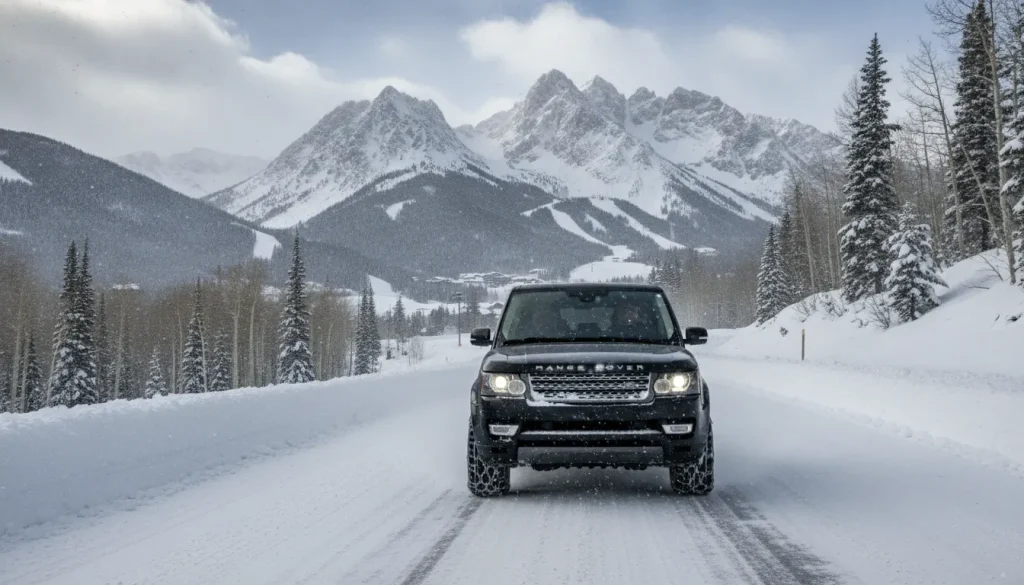
The hundred-mile drive from Denver to Vail is a scenic trip that needs careful planning. It takes about two hours to reach the resort under ideal conditions on Interstate 70.
How far is vail from denver is a key question for anyone planning a mountain trip. The driving distance between the two cities is about 100 miles, with the route running almost all the way along the scenic I-70 corridor. While the trip usually takes about two hours, travel times often double during peak ski season or when heavy snow falls on West Vail Pass. Traffic volume on this stretch can reach 33,000 vehicles per day in the summer. This makes hiring a car service a smart choice for those who want to avoid the stress of mountain driving. Avi Limo says the journey involves steep grades and sharp curves that need a vehicle built for winter weather. Choosing a service with skilled chauffeurs ensures you arrive at the resort safely no matter the road conditions.
Planning your mountain trip starts with knowing the exact mileage and the things that affect your travel time. We will answer the question of How far is Vail from Denver? and explore the best ways to navigate the I-70 corridor safely. The path begins with
How far is Vail from Denver?
The road distance between Denver and Vail is about 100 miles. Most of this drive follows the scenic I-70 corridor through the heart of the Rocky Mountains. While the mileage stays the same, your total travel time can change a lot based on where you start and the current road conditions. High peaks and deep valleys make this route one of the most scenic drives in the West.
Driving from Downtown vs. the Airport
If you start in downtown Denver, the trip to Vail is roughly 100 miles. Most people find that the drive takes about two hours when traffic is light. However, your trip will be longer if you fly into the state first. You will need a good Vail transportation guide if you land at Denver International Airport (DIA) for your trip.
The airport sits about 25 miles east of the city center. This adds nearly 45 minutes to your total travel time. Travelers should plan for a 125-mile trip from the airport gates to the mountain slopes.
This extra distance is important to track when you book your ride or plan your ski day. Knowing the gap between the city and the airport helps you set a clear schedule. This allows you to avoid rushing through the gate or missing a dinner booking.
Travel Times and Traffic Peaks
Traffic is the biggest factor in how long your drive takes. Data from the state shows that about 22,000 cars use I-70 near Vail Pass every day. During the busy month of July, that number can jump to 33,000 vehicles per day on the pass. High volume often leads to slow speeds on the steep mountain grades that lead to the resort.
Winter weather plays a large role in your safety and speed. West Vail Pass has sharp curves and steep hills that can get icy very fast during a storm. The state uses cameras and weather stations to track road status in real time.
Sudden snow can turn a two-hour drive into a four-hour trip quite easily. Planning your start time around the weather report is the best way to stay safe. Chauffeurs who know the pass well can often spot these risks before they become a problem.
Planning for a Smooth Arrival
To have the best trip, you should look at Vail travel options that put safety and comfort first. Peak ski weekends and summer holidays see the most cars on the mountain roads. Leaving early in the morning or late at night can help you miss the worst of the crowds.
Giving yourself a time buffer is always a smart move when you travel through the high peaks. Safe mountain driving requires a car that is ready for the snow and ice. Sharp turns and high altitudes mean you need a skilled driver and the right gear.
Many visitors choose a pro driver to help them with the tricky passes and winding roads. This lets you sit back and enjoy the views of the snow-capped peaks while someone else handles the wheel. A stress-free ride is the best way to start your mountain trip.
What to expect on the Denver to Vail drive
When you ask how far is vail from denver, the simple answer is about 100 miles. Most of this trip follows the pretty I-70 mountain path. This road offers views of big peaks and deep canyons. While the miles stay the same, the time it takes to drive can change for many reasons. A clear day might take two hours, but heavy traffic and snow often add more time to your plan.
Moving through the I-70 mountain path
The drive from Denver to Vail is a climb through the heart of the Rocky Mountains. You will move through steep grades and sharp curves as you head west. One of the most famous parts of this trip is West Vail Pass. It reaches great heights that can feel thin to some guests. The Colorado Department of Transportation reports that this area has sharp curves. These steep slopes can be tricky for those who are new to mountain roads.
Along the way, you can look for major spots like the Eisenhower-Johnson Memorial Tunnel. You will also cross the Continental Divide. You might see the Ten Mile Canyon National Recreational Trail near the road too. The path is well-kept, but the high height means you should check the weather before you start your car. Local Vail travel options often focus on these spots because they define the mountain trip.
Traffic peaks and seasonal patterns
Knowing when to drive is just as vital as knowing the route. Traffic on I-70 changes based on the day and the time of year. During a normal day, about 22,000 cars pass through West Vail Pass. However, this number jumps to 33,000 cars per day during the peak month of July. Winter weekends also see a lot of cars as skiers flock to the resorts. To avoid the worst jams, many people choose to leave early in the morning or late at night.
- Friday afternoons usually see heavy traffic heading west toward the mountains.
- Sunday evenings are busy with cars returning to Denver from the ski slopes.
- Holiday weeks in both summer and winter bring the most people to the road.
- Road work and upkeep often happen during mid-week summer days.
Road work and wrecks can slow things down at any time. The state uses cameras and weather stations to watch the road. They also use this gear to help manage how cars flow. Even with these tools, big tow trucks stay ready during high seasons to clear wrecks fast. If you want to skip the stress of mountain traffic, find a Vail transportation guide. Expert drivers can handle the luxury trip for you.
Safety and winter road hazards
Safety is the top goal when you drive in the mountains. Weather can change fast. Shady spots on the road often hide thin layers of ice that are hard to see. Between May and August, drivers must watch for deer and other animals at dawn and dusk. In the winter, crews clear snow slides that can close the pass a few times per year. This work keeps the road safe for everyone. The steep hills even have help ramps for big trucks that lose their brakes on the way down.
Expert drivers have the skill to handle these rare hazards. Drivers with mountain skill know how to move over icy bridges. They also know how to handle risks from high winds. Vehicles built for these trips use winter tires and all-wheel drive to keep a grip on the snow. By letting a pro take the wheel, you can sit back and enjoy the views. You won’t have to worry about the road state ahead.
How should you prepare for winter I-70 conditions?
Knowing how far is Vail from Denver helps you plan for the long drive. The trip is about 100 miles and takes you through the heart of the Rocky Mountains. During the cold months, the weather on this road can change in a few minutes. You must be ready for snow, ice, and slow traffic before you start your mountain trip.
Driving on I-70 in the winter is not the same as driving in the city. The high mountain air and steep hills create unique risks for all cars. Being ready for these shifts is key to a safe and fun ski trip. You should check your car and the weather reports at least one day before you leave.
Road alert checks
State road teams use many high-tech tools to watch over the I-70 path. They have set up cameras and weather stations from Denver all the way to Vail. These tools help them find ice or wrecks as soon as they happen. You can find this live info on the CDOT web site or through local radio feeds.
The state also uses these tools to manage big storms and road closures. Sometimes, teams must close the road for avalanche clearing or to move snow. Checking the map often helps you find the best time to drive and avoid being stuck. Planning your trip around these alerts will save you time and keep you off slick roads.
Winter traction laws
Colorado has strict laws for tires to keep the mountain roads moving. These rules often go into effect as soon as snow starts to fall on the pass. If you do not have the right tires, you could get a fine or cause a wreck. It is vital to have snow tires or a car with four-wheel drive during the winter.
The road near West Vail Pass is known for sharp turns and steep hills. Because of the shadows from the trees, ice can stay on the road even on sunny days. This makes the path slick and can lead to sideswipe crashes if you go too fast. Staying in the slow lane and leaving space between cars will help you stay safe.
- Check your tire tread with a coin to make sure it is deep enough for snow.
- Fill your gas tank before you leave the city so you do not run out in a jam.
- Pack a winter kit with warm blankets, water, and shelf-stable food.
- Fill your wiper fluid with a winter mix that will not freeze on your glass.
- Check your battery and lights to make sure they work in cold and dark air.
- Keep a small shovel and a bag of sand in your car for extra grip on ice.
You may also see chain-up areas on the side of the highway. These spots are for big trucks, but they show how tough the road can be. If the snow is deep, the state may require all cars to use chains or socks on their tires. Always carry a set of chains in your trunk just in case the law changes during your drive.
Vehicle safety limits
Not every car is built to handle the deep snow and ice of the high peaks. Small cars with low ground clearance can get stuck easily in the mountain passes. If you are not sure your car can make the trip, you can look for other Vail travel options. Choosing a pro service can help you avoid the stress of winter driving.
A pro driver has the skills and the right gear to handle the worst mountain weather. They know how to steer through ice and when to use the safety ramps if needed. This lets you relax and enjoy the view while someone else handles the road. Using a winter-ready fleet ensures you get to the resort on time and in style.
Denver to Vail travel options compared
If you are planning a ski trip, you might ask how far is vail from denver before you book your flight. The trip is about 100 miles and takes you into the heart of the Rocky Mountains (F001). Most of this drive follows the I-70 highway. This is the main road for mountain travel in Colorado. While the view is great, the road can be very hard to drive during the winter months. You have a few ways to get there. Each choice has its own pros and cons based on your needs.
Driving your own car
Renting a car or driving your own gives you the most freedom. You can leave when you want and stop to see the sights along the way. But driving in the high peaks is risky if you do not know the area well. This route has sharp curves and steep hills that can get icy in a short time. The average daily traffic on West Vail Pass is about 22,000 cars (F002). This high number can make for a slow and stressful trip, mostly during a storm or on a busy weekend. The state uses cameras and weather stations to help track road changes, but you must still be very careful (F004). If you choose to drive, make sure your car has the right tires for deep snow and ice.
Shared shuttles and buses
Shared shuttles are a common pick for solo travelers or small groups. These vans pick you up at the airport and drop you at your resort or a central hub. This choice costs less than a private ride but takes more time. You may have to wait for other people at the gate or make many stops along the highway. Public buses are also ready for a very low price. While these save you money, they do not go to every hotel or home. You will likely need to walk or take a taxi to reach your final door after you get off the bus. This can be hard if you have a lot of bags or ski gear with you.
Private car and limo services
A private car service is the best pick for those who want ease and safety. Pro drivers have the skills to handle mountain roads in any weather (F006). They use cars that are ready for snow and ice with special tires to keep you safe (F022). Unlike a broker, a good owner-operated service owns its entire fleet (F017). This means they keep their cars in top shape for the harsh mountain weather. All drivers go through background checks and drug tests before they ever get behind the wheel (F008). You can relax in a clean car while someone else deals with the traffic and the hills. This is a top choice for families who want a smooth and private ride to the snow.
| Travel Type | Cost Level | Travel Time | Privacy | Ease of Use |
|---|---|---|---|---|
| Rental Car | Medium | Varies | High | Low |
| Shared Shuttle | Low | Long | Low | Medium |
| Private Limo | High | Fast | High | High |
| Public Bus | Lowest | Longest | None | Low |
Your choice will depend on your budget and how you feel about driving in the snow. If you want to avoid the stress of the mountain highway, a pro driver is a wise move for your group. You can find more tips in our Vail travel guide to help plan your next trip to the high country. Using a pro service lets you start your trip the moment you land, without worrying about the road ahead.
When does a private car service make sense?
When you plan a trip to the Colorado high country, you likely ask how far is vail from denver. The drive is about 100 miles, but these miles feel different when snow starts to fall. I-70 through West Vail Pass is a steep and winding path that requires focus and skill. In fact, some parts of the road see as many as 33,000 vehicles per day during the busy July season. For many guests, driving a rental car through icy curves is not a good way to start a trip.
Managing mountain road stress
A private car service makes sense when you want to skip the stress of winter roads. The I-70 corridor has sharp turns and steep slopes that can be hard to drive. Cold shade from the peaks causes ice to form early and often on the pavement. Professional drivers with mountain skill know how to handle these road risks safely. They use winter-ready cars built for the toughest weather. This lets you relax and enjoy the views while an expert handles the wheel.
Direct door to door travel
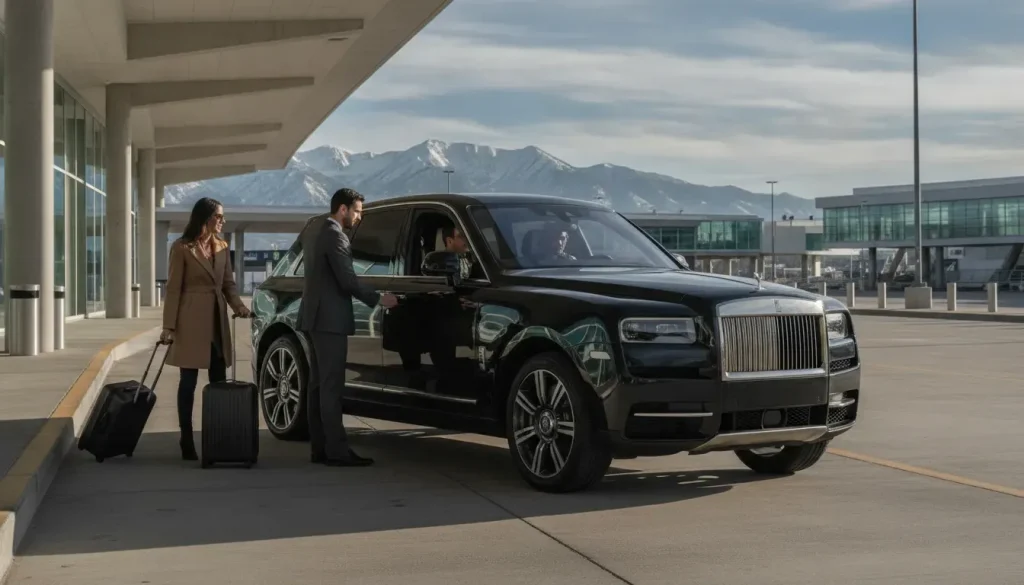
Shared shuttles are a common choice for mountain guests, but they often come with many stops at other hotels. If you are on a tight schedule, a direct ride is a much better fit for your needs. A private car picks you up right at the airport curb and takes you straight to your door. You do not have to wait for other groups or stand in long lines at the gate. This is very helpful when you arrive late at night or have a busy morning event.
Booking a Vail limo service ensures your trip stays on a strict schedule. It also gives you a quiet, private space to work or rest while someone else watches the road. You can avoid the crowds and noise of public transport. A private driver will track your flight to make sure they are there the moment you land. This level of service removes the guesswork from your travel plans and saves you precious time.
Luxury for groups and luggage
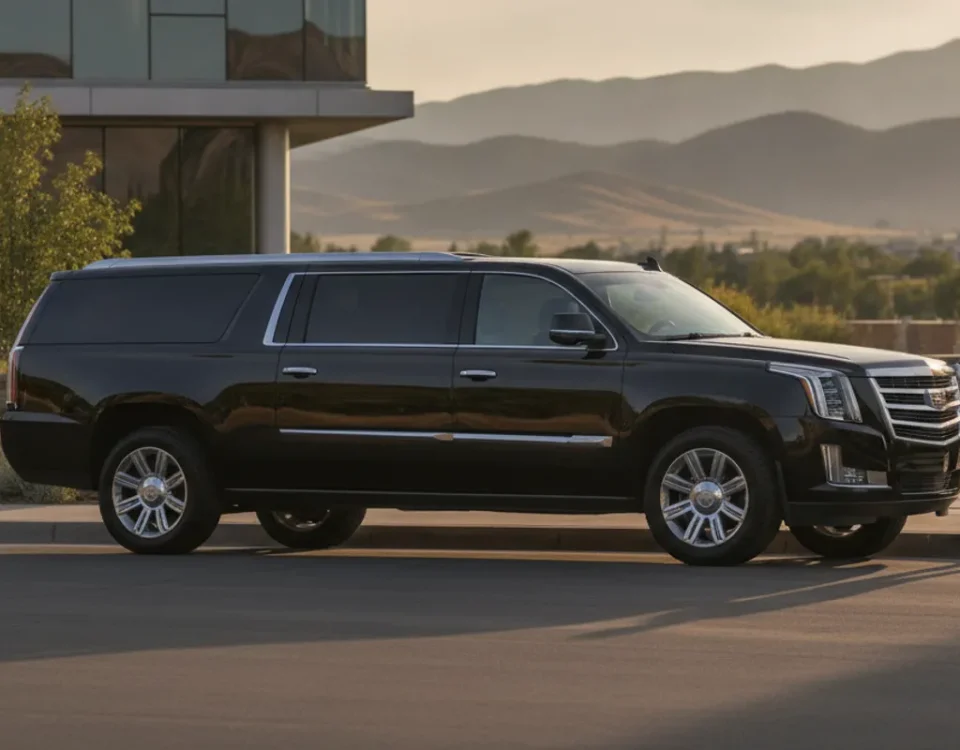
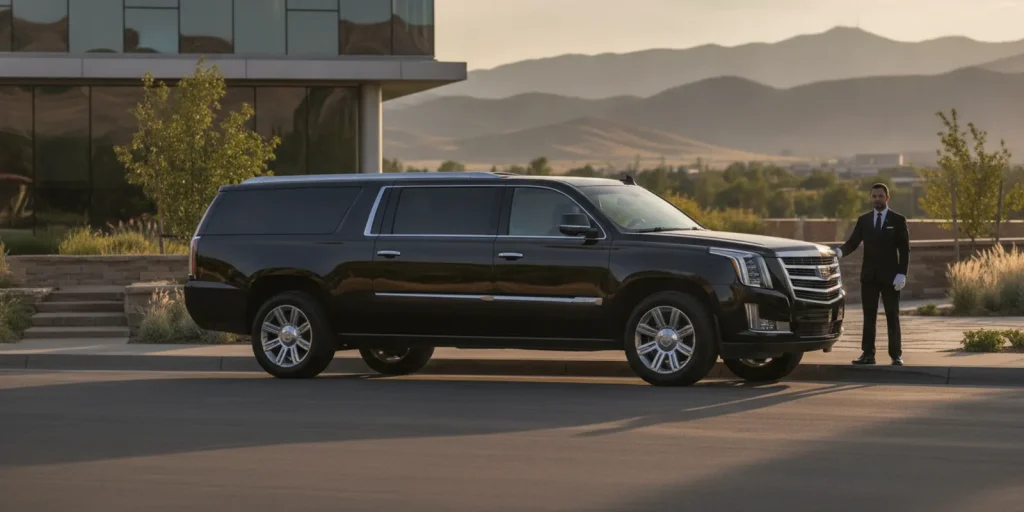
Ski gear takes up a lot of room, and fitting bags into a small taxi is often not possible. Private services use large SUVs and vans built for heavy loads and many guests. These vehicles have plenty of space for boots, skis, and bulky winter coats. They also offer a high level of comfort that basic shuttles simply cannot match. Avi Limo owns and runs its entire fleet to ensure every car meets a high standard of quality.
This owner-operator model means the cars are clean, safe, and full of nice extras. You can enjoy small touches like fresh roses or custom napkins during your ride to the resort. Using a Denver airport limo service allows your group to travel together in style. It is the best way to move large parties without the hassle of many rental cars. Plus, every driver undergoes a strict check to ensure your peace of mind throughout the journey.
How to plan a smoother trip from Denver to Vail
Planning a mountain trip takes more than just looking at a map. While you may ask how far is Vail from Denver, the answer is about 100 miles. A Vail transportation guide can help you plan for the time it takes to drive those miles, which can change fast. Most trips take about two hours, but snow or heavy traffic can double that time. Success starts with a good plan that looks at flight delays, road states, and your own comfort.
Timing your flight and pickup
Your timeline starts at the airport. The Denver airport is big and can be crowded. You should give yourself at least 45 to 60 minutes after your plane lands before your ride picks you up. This buffer helps if your bags are slow or if the terminal is busy.
If you are flying into Denver during the winter, flight delays are common. It is best to check your flight status often and stay in touch with your driver. Booking a ride early helps you avoid long waits at the curb. A private driver will track your flight and wait for you in a set spot.
This removes the stress of finding a car after a long flight. It also gives you a head start on the drive before the busy rush begins. Many guests find that getting in during the morning or early day leads to a much smoother start to their trip.
Driving during traffic peaks
The drive to Vail uses the I-70 path. This road is the main way through the mountains and stays busy all year. The Colorado Department of Transportation says traffic peaks can reach 33,000 cars per day in the summer.
Winter weekends are also very busy as skiers head to the slopes. To avoid the worst delays, try to travel mid-week or during off-peak hours. If you must travel on a weekend, leave early in the morning or late at night. Friday nights and Sunday nights are often the slowest times to be on the road.
Planning a stop for a meal can also help you wait out a traffic jam. Towns like Idaho Springs or Silverthorne offer good places to eat and stretch your legs. These breaks make the 100-mile trip feel shorter and more relaxed for everyone in the car.
Preparing for mountain weather
Weather in the Rockies changes without much warning. Even if Denver is sunny, Vail Pass might have heavy snow or ice. You should check weather reports for both the city and the high peaks. The state uses cameras and weather stations to watch the road and give drivers real-time facts.
This data helps drivers get ready for sharp curves and steep hills that may get slick during a storm. It is wise to choose a ride that is ready for the cold. All-wheel drive and winter tires are needed for safety on the mountain passes.
Expert drivers also know how to handle the road when sight is low. By planning for these things, you can enjoy the scenic views instead of worrying about the drive. A smooth trip allows you to start your Vail visit feeling rested and ready for the mountains.
Planning the return trip from Vail to Denver
Heading back home from the mountains needs careful planning. You must think about traffic, weather, and your flight time. The drive is about 100 miles, but travel times can change fast on the I-70 road. Knowing how far is vail from denver is just the first step in planning a smooth trip back to the city or the airport.
Timing your trip for flights
If you have a flight at Denver Airport (DIA), leave Vail early. Most experts suggest arriving at DIA at least two hours before your flight. Since the drive usually takes two hours in good weather, you should leave Vail four to five hours before your gate closes. On busy days, the average daily traffic can hit 22,000 cars. A Vail travel guide can help you pick the best pickup time for your group.
Weather can also add time to your airport run. Snow or heavy rain often slows traffic to a crawl on the steep mountain hills. If you book a private car, your driver will track the weather and tell you if you need to leave sooner. This extra help ensures you do not miss your flight because of a sudden storm or a road closure on the pass.
Dealing with peak travel days
Sunday afternoons are the busiest time for the trip from Vail to Denver. Many skiers head back to the city at the same time. During the summer, peak days in July can see up to 33,000 cars on the road. This extra traffic can turn a two-hour drive into a four-hour trek. You can look at Vail travel options to see how different rides handle these busy times.
If you can, try to travel on a weekday or early in the morning on weekends to avoid the worst jams. Planning around these peaks makes the ride much more relaxing. If you must travel during a peak time, give yourself plenty of buffer. A car with GPS and a skilled driver can save you a lot of stress. They know the shortcuts when the main road is backed up for miles.
Safety and weather on I-70
The weather in the mountains changes quickly. Shaded spots on West Vail Pass often have ice, even when other parts of the road are dry. Chauffeurs with mountain driving skill know how to handle these slick curves and steep hills safely. These experts are trained to navigate the sharp turns that often catch other drivers off guard. Using an expert service means you do not have to worry about white-out storms or black ice.
It is wise to check the local forecast and road conditions before you start your drive. CDOT uses cameras and weather stations to monitor the road and share updates. Choosing an expert service ensures you have a driver who is ready for any challenge. They will make sure your trip from the peaks back to the plains is safe and comfortable.
Frequently Asked Questions
How far is Vail from Denver?
Per Avi Limo, the drive from Denver to Vail is about 100 miles. Most of this trip is on the I-70 road. You will go through the high mountains and see great views. This route is the main way to get to the ski areas from the city. The trip is simple but the mountain roads need a lot of care.
How long does it take to drive from Denver to Vail?
A normal drive from Denver to Vail takes about two hours. But peak travel times in July can see up to 33,000 cars on the road each day. This data comes from the Colorado Department of Transportation. Bad weather or heavy traffic can double your time on the road. You should plan for extra time during the winter ski season or on busy weekends.
Is it better to fly into Vail or Denver?
Flying into Denver often costs less and has more flight choices. Denver is 100 miles away from Vail. You can fly to the Eagle County airport to be closer to the slopes. This airport is only 30 miles from Vail. But flights there are often more costly. Many people fly to Denver and use a private car service for a smooth ride to the mountains.
How can I check I-70 road conditions for my trip to Vail?
The Colorado Department of Transportation uses cameras and weather tools to track road status. You can view these live feeds online before you start your drive. This helps you spot snow, ice, or traffic jams early. Knowing the road state is vital for safety on West Vail Pass. Checking the road status helps you choose the best time to leave for your trip.
Ready to book your private Denver to Vail car service?
Waiting to set up your high end mountain ride can lead to high last minute costs or few open cars for your travel dates. If you book your ride now, you get the exact high end car you want and a pro driver who knows the icy I-70 roads. You can view our Vail limo service to pick the right ride for your ski trip and avoid all the traffic stress. Starting your plan early means you will reach the ski resort on time and feel well rested for your mountain ski trip.
Ready to book? Call +1 303-455-4455 to book your private Denver to Vail transportation and enjoy a safe, stress free drive to the resort today.