Call us: 303-455-4455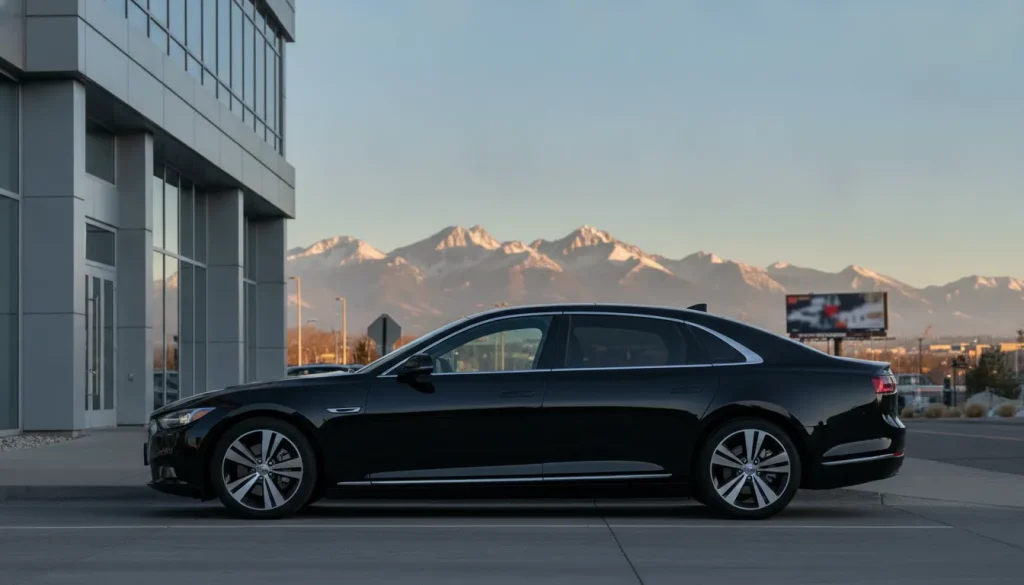
Written by Avi Ancel, owner and operator of Avi Limo. Business travel in Denver rarely follows a simple point-to-point schedule. An executive may land at DIA, meet a client downtown, continue to Boulder, and still need to reach an evening event on time. The transportation plan has to account for people, timing, luggage, and changes without adding another task to an already full itinerary.
Request your executive transportation plan from Avi Limo.
How Executive Black Car Service Supports Denver Business Travel
An executive black car service gives companies a pre-arranged transportation option built around professional service, dependable scheduling, and a vehicle selected for the passenger and route. For corporate travel, the value is not simply arriving in a premium car. It is reducing coordination work through details such as flight monitoring, manifest updates, direct billing, and account support when the itinerary changes.
That distinction matters for executive assistants, travel managers, meeting planners, and companies hosting clients. A reservation can be built around a flight, meeting, hotel, conference venue, or regional route instead of being treated as an isolated ride. The service team has the information needed to coordinate the movement, while the traveler can focus on the meeting or next obligation.
Avi Limo is an owner-operated, asset-based Denver company that owns and maintains its fleet. That model supports direct quality control from booking through arrival. It also gives a corporate traveler a clearer point of contact than a broker-dependent arrangement. Where the assigned vehicle or provider may change without the coordinator knowing in advance.
What makes the executive use case different
Corporate transportation is judged by consistency. The same standards should apply when a local executive is going to the airport. When a visiting client is arriving for a conference, or when a group is moving between Denver, Boulder, and another Front Range destination. Clear communication, professional presentation, route awareness, and discretion are part of the business service, not decorative extras.
The goal is a low-friction handoff. The traveler should know where the vehicle will be, who to contact, and what details have been planned. The coordinator should know who is traveling, where they are going, what vehicle is expected, and how changes will be handled. Those basics create a more dependable experience without promising that traffic, weather, or airline delays can be eliminated.
Which Vehicle Fits an Executive Trip in Denver?
Vehicle selection should follow the itinerary rather than the other way around. Start with the passenger count, luggage volume, equipment, number of stops, and the amount of time the group will spend in the vehicle. A single executive with a small bag may have different needs from a visiting client carrying presentation materials or a team traveling to a conference.
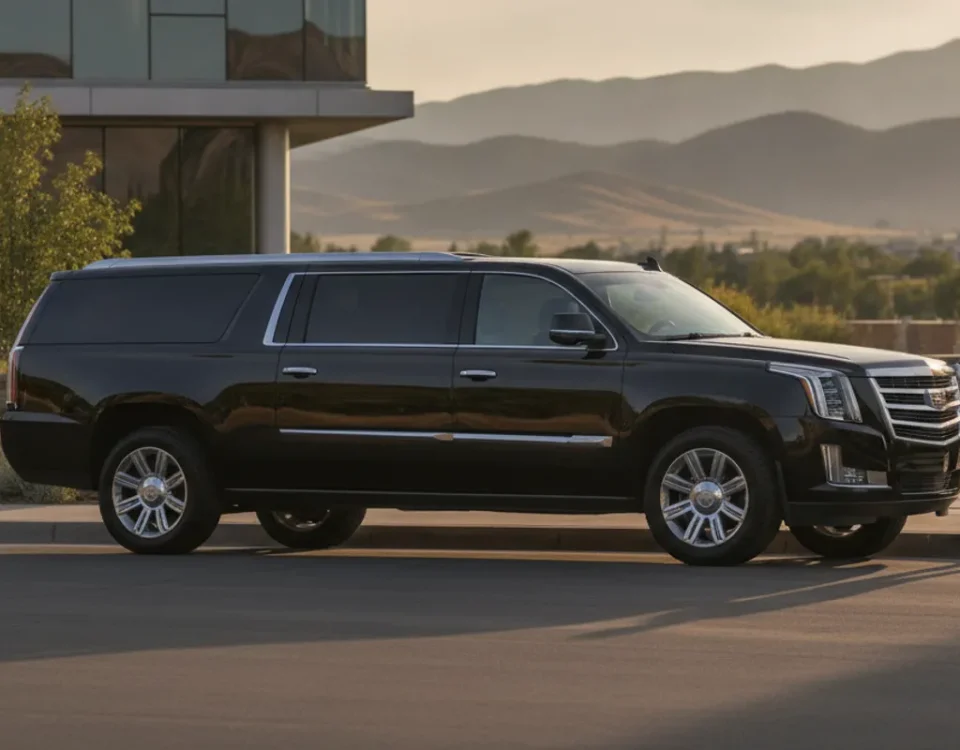
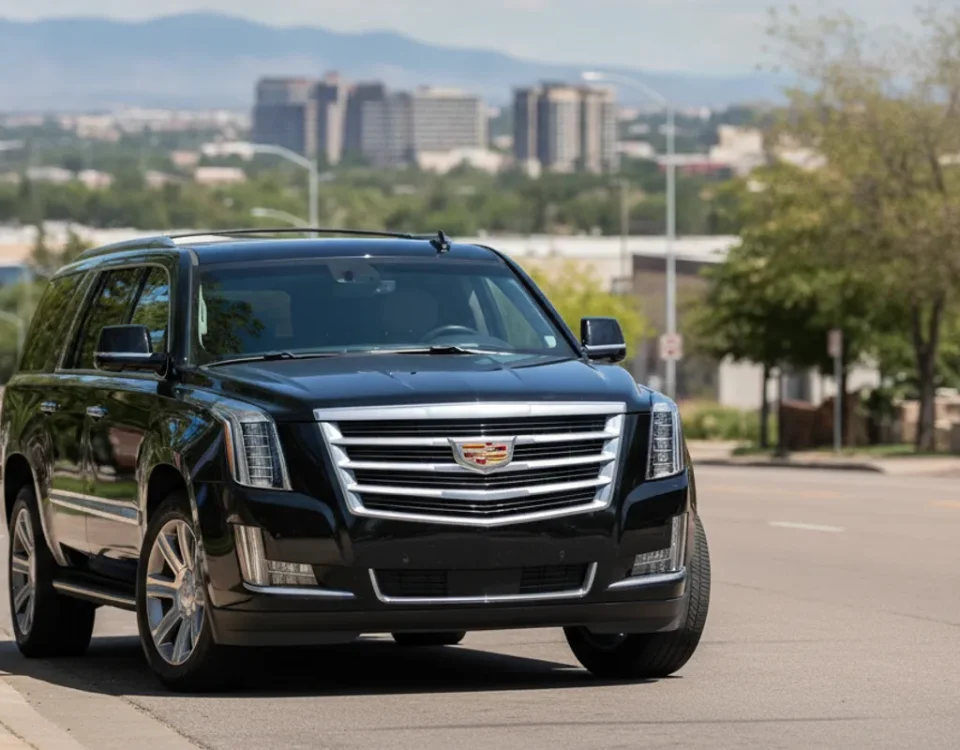
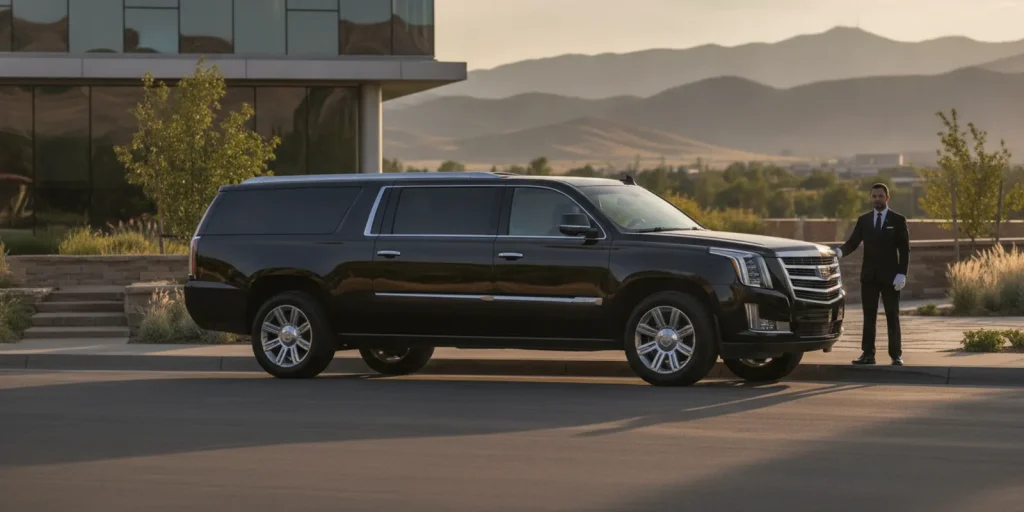
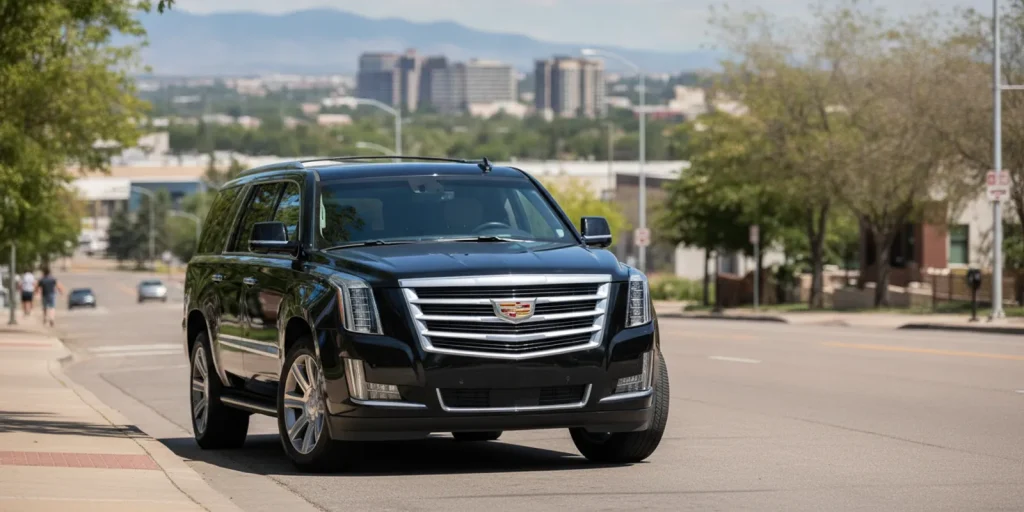
Avi Limo’s published fleet includes executive vehicle categories that can serve different business situations. The Cadillac Escalade ESV is listed as a six-passenger luxury SUV and can suit a small group. Airport transfer, or client itinerary that benefits from additional cabin and cargo room. The Ford Transit 350 Executive Van is listed for up to 11 passengers, while the Mercedes-Benz Sprinter is available in an executive van configuration. Confirm the current assignment and capacity at the time of booking.
| Vehicle direction | Practical business fit | Confirm before booking |
|---|---|---|
| Executive sedan or town car | One or two travelers moving between an airport, hotel, office, or meeting. | Current model, passenger count, luggage space, and vehicle assignment. |
| Cadillac Escalade ESV | Small executive groups, visiting clients, or trips that need SUV room. | Current availability, final passenger count, luggage requirements, and assigned vehicle. |
| Ford Transit 350 Executive Van | Corporate teams traveling together for meetings or conference transportation. | Seating configuration, passenger total, luggage volume, and pickup sequence. |
| Mercedes-Benz Sprinter or larger option | Groups that need one coordinated vehicle rather than several separate rides. | Availability, final capacity, luggage fit, stops, and schedule. |
Ask about the exact vehicle, not only the category
Terms such as executive sedan, town car, SUV, and executive van describe a direction, not a final assignment. If a traveler prefers an MKT Town Car or another specific model, ask whether it is currently available and suitable for the route. Capacity, luggage fit, and vehicle availability should be confirmed rather than assumed. This is especially important when the traveler is meeting a client at the airport or when the vehicle must accommodate equipment.
The same principle applies to the Chrysler 300 stretch limousine and other larger fleet options. They may be appropriate for a corporate event or group movement, but a larger vehicle is not automatically the best choice for one executive. A clean, appropriately sized cabin can make a direct airport-to-meeting itinerary feel more efficient.
Review the Avi Limo fleet before sending the request. Include the number of passengers, bags, equipment, stops, and desired arrival time so the service team can recommend a practical option.
Why Chauffeur Etiquette Matters to Corporate Travelers
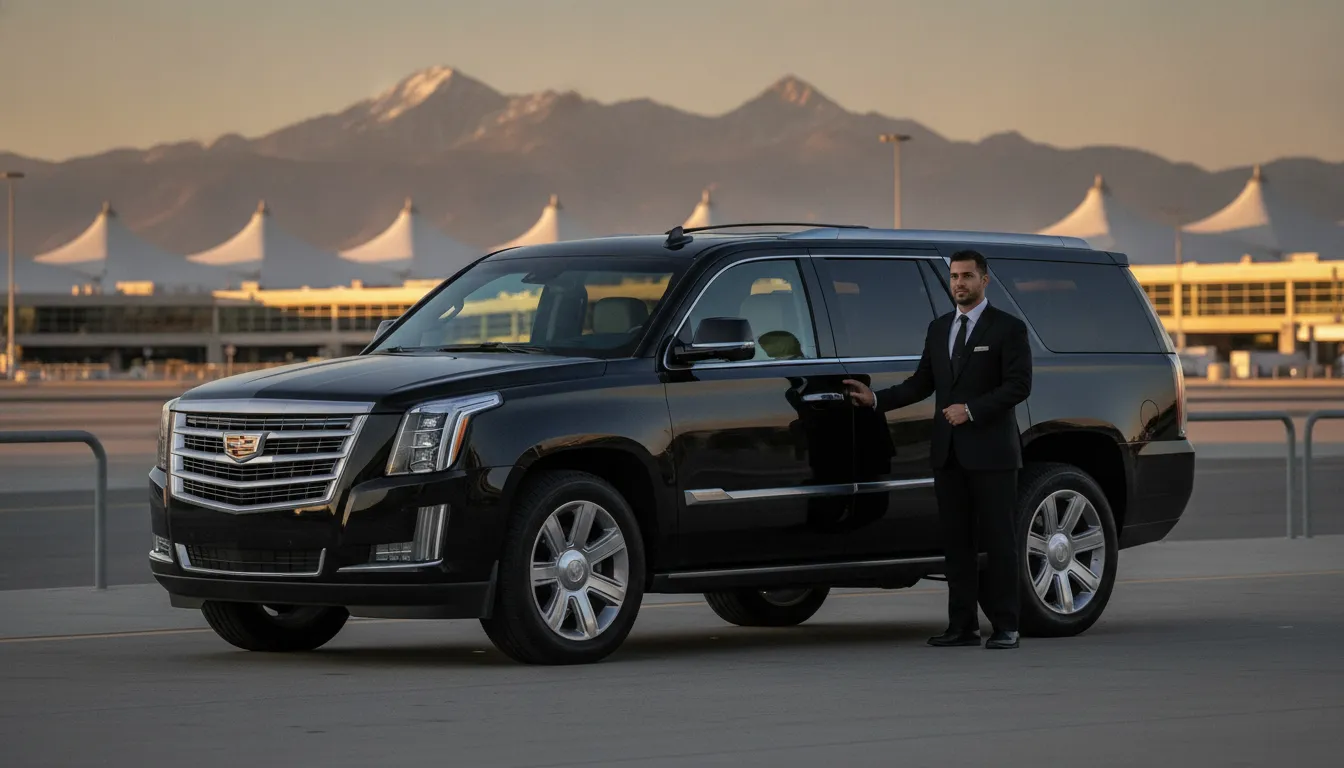
Professional chauffeur etiquette is a business standard because the ride is part of the traveler’s workday. Preparation starts before the vehicle arrives. The chauffeur needs the itinerary, pickup location, passenger details, and timing requirements so the ride can begin without a long exchange at the curb.
Prepared presentation and concise communication
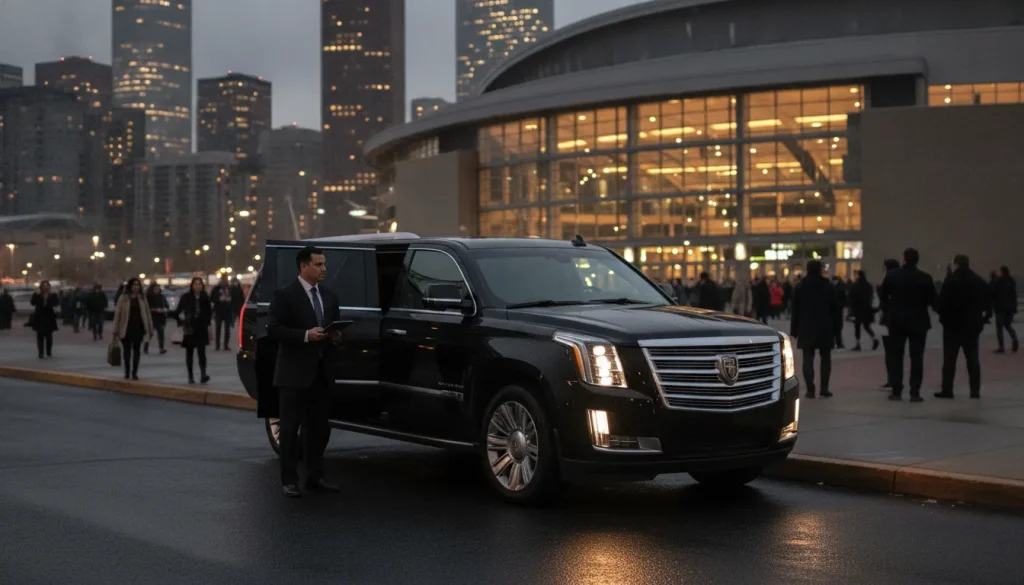
A chauffeur represents the company that arranged the trip. A professional appearance, clean vehicle, and clear knowledge of the pickup plan help create a confident arrival for an executive or visiting client. Communication should be concise and useful. The chauffeur can confirm the passenger’s name or destination, explain where the vehicle is positioned, and clarify a change without turning the interaction into a distraction.
Good curbside coordination is particularly important at an airport, hotel, office, or conference venue. The reservation should identify the meeting point, the best traveler contact, and any entrance or access details that matter. If the passenger is unfamiliar with Denver or DIA, simple instructions can prevent an avoidable delay.
Discretion that protects passenger focus
Business travelers may use the cabin to review notes, take calls, decompress after a flight, or prepare for a client meeting. A professional chauffeur should be attentive without being intrusive, answer direct questions, and avoid unnecessary conversation. Sensitive business discussions also deserve discretion. Passenger information should not be repeated casually or used to draw attention to who is traveling.
The right level of service is calm and observant. The chauffeur should notice practical needs, such as luggage assistance or a changed destination, while allowing the passenger to control the interaction. That balance helps the traveler use the ride as a quiet transition between obligations.
Cleanliness is part of professionalism
Avi Limo states that its vehicles are detailed after every run and that its glassware is washed in a dishwasher. For stops longer than 30 minutes, its published service information describes cabin refresh tasks such as removing trash, vacuuming the floor, and refreshing or replacing ice. These are concrete examples of how maintenance and cabin care support a consistent corporate experience.
How to Plan DIA Transfers Around a Business Schedule
DIA, also known as DEN, can involve long terminal walks, changing flight times, luggage delays, and different pickup needs for arrivals and departures. Airport transportation works best when it is treated as a coordinated movement plan. The reservation should include enough information for the service team to understand the flight, passenger, destination, and timing priorities.
- Share complete flight and passenger details. Provide the travel date, airline, flight number, arrival or departure time, passenger name, mobile contact, luggage expectations, and destination. Flight information helps the provider coordinate around schedule updates. For a departure, include the time the traveler needs to reach the terminal, not only the scheduled flight time.
- Define the pickup instructions before travel day. Confirm whether the traveler needs an arrival pickup, a terminal drop-off, or transportation between DIA and a hotel, office, meeting venue, or residence. Clarify the preferred contact method and any accessibility, child-seat, luggage, or mobility details that could affect the handoff.
- Build the schedule backward from the business obligation. Include time for deplaning, baggage collection, walking through the terminal, traffic, weather, security procedures, and an agenda that runs long. DEN provides current travel information through its official airport information page. Use the airline itinerary and the required destination arrival time when setting the plan.
- Include the full route after the airport leg. An executive transfer may continue to a downtown office, hotel, conference venue, Boulder meeting, or another Front Range destination. Share every known stop and desired arrival time instead of adding the next movement at the last minute.
- Communicate changes as soon as they occur. Send updates when a flight is delayed, a meeting moves, the passenger count changes, or the destination needs to be revised. Avi Limo’s corporate service information describes flight tracking, arrival and departure coordination, and support for manifest changes. Those tools are most useful when the operator has accurate, current information.
For a high-stakes business trip, punctuality comes from accurate details, realistic timing, and clear communication working together. Review Avi Limo’s Denver airport limo service information and confirm the current vehicle, route, and quote when booking.
What a Denver Corporate Transportation Account Should Include
A corporate account gives an executive assistant, travel manager, or meeting planner a consistent way to coordinate business transportation. Instead of rebuilding every reservation from scratch, the team can establish useful operating details and apply them to airport transfers, client visits, conferences, and recurring office routes.
Set up the information your team uses most
Start with the company name, primary account contact, billing contact, preferred communication channels, and people authorized to request or change trips. Then provide the details that help the service team coordinate each traveler:
- Traveler names, mobile numbers, and relevant arrival or departure details.
- Passenger counts, luggage expectations, accessibility considerations, and vehicle preferences.
- Pickup and drop-off addresses, building entrances, meeting locations, and onsite contacts.
- Recurring routes, airport transfers, conference schedules, and expected travel patterns.
- Instructions for notifying the traveler, assistant, host, or event coordinator when plans change.
These details are useful when an executive is traveling with a client or when an assistant is arranging several rides at once. Clear traveler profiles reduce back-and-forth questions while keeping the reservation aligned with the actual itinerary.
Use direct billing and one accountable contact
Direct billing can simplify administration by giving the organization a defined billing contact and a clearer record of business transportation. Confirm who receives billing communication, which travelers or departments may use the account, and how trip details should be shared internally. Avi Limo’s corporate service describes dedicated account management, direct billing, flight monitoring, and support for manifest changes.
A corporate account should make changes easier to communicate, not remove the need to communicate them. A new flight, extra passenger, added stop, or changed meeting location can affect the vehicle and timing. Send the updated information through the agreed channel and ask the provider to confirm the revised plan.
Denver and Front Range Routes for Executive Travel
Corporate transportation rarely begins and ends at one office. A traveler may arrive at DIA, attend a meeting downtown, travel to Boulder for a client discussion, and continue to another Front Range location the same day. Route planning should reflect that full itinerary rather than treating each ride as an isolated booking.
Build the route around the agenda
When requesting a multi-stop trip, provide the sequence of addresses, required arrival times, expected meeting lengths, and any return movement. Identify which stops are firm and which may change. This gives the service team a better basis for reviewing vehicle fit and the requested service structure.
For Colorado Springs, Pueblo, Fort Collins, Boulder, or mountain destinations, include the property or venue name and the complete travel plan. Longer routes can involve different timing considerations than a direct Denver transfer. Minimum service times and final routing vary by itinerary and are confirmed at the time of quote.
Keep airport and regional movements connected
A DIA pickup may be only the first leg of a corporate visit. The traveler may need a hotel transfer, office arrival, conference movement, and return to the airport. Share those connections early so the account team can review the schedule as one plan. If the itinerary involves Vail, Aspen, Breckenridge, or another mountain destination, ask about current vehicle suitability and seasonal road considerations without assuming a fixed travel time.
A complete manifest, realistic schedule, and clear communication give the chauffeur and account team the information needed to support a polished. Discreet journey across Denver and the Front Range.
What to Confirm Before Booking Executive Transportation
A polished business trip depends on details that are easy to overlook during a busy travel day. Before approving an executive black car service reservation, confirm the following items with the provider. A clear booking record reduces last-minute questions for the traveler, assistant, travel manager, chauffeur, and billing contact.
Vehicle, passengers, and luggage
- Confirm the vehicle category or specific model requested, current availability, passenger capacity, and luggage fit.
- Provide the complete passenger count, including assistants, clients, security personnel, or additional riders who may join the trip.
- Describe checked bags, presentation cases, equipment, or other bulky items that could change the vehicle recommendation.
Itinerary, contact, and timing
- Share every address, stop, meeting location, and desired arrival time. Identify firm stops and possible changes.
- For DIA travel, include the airline, flight number, arrival or departure details, and the best traveler contact.
- Clarify the pickup point, terminal or venue entrance, curb instructions, and how the traveler will identify the chauffeur.
Billing and quote terms
- Confirm whether the trip is billed directly to a corporate account or paid by the traveler.
- Provide the correct billing contact, purchase order details, and approval requirements when applicable.
- Ask the provider to confirm the current quote, vehicle, route, service minimums, and any special arrangements before finalizing.
Contact Avi Limo to review your Denver corporate itinerary.
For organizations arranging executive travel, the Denver corporate limousine service page provides a starting point for discussing account management, direct billing, flight updates, and business travel coordination.
Frequently Asked Questions
What is included in an executive black car service?
Corporate service generally includes a pre-arranged itinerary, professional chauffeur coordination, vehicle selection, pickup instructions, and trip communication. Avi Limo also describes direct billing, dedicated account management, flight monitoring, manifest changes, and conference transportation through its corporate service. Confirm the exact inclusions, vehicle, route, and service minimums when requesting a quote.
What sets executive black car service apart from a taxi or ride-share?
The main difference is planned business transportation rather than an on-demand trip. You can arrange the itinerary, passenger details, pickup location, vehicle, and billing process in advance. That structure helps assistants, travel managers, and meeting planners reduce last-minute coordination while giving executives and clients a more consistent and discreet experience.
What vehicles are available for executive travel in Denver?
Vehicle choice depends on passenger count, luggage, route, and current availability. Avi Limo’s published fleet includes the Cadillac Escalade ESV, Ford Transit 350 Executive Van, Mercedes-Benz Sprinter, and larger limousine options. An executive sedan or MKT Town Car may be worth asking about when available, but the exact model, capacity, and assignment should be confirmed at booking.
Are airport transfers available to and from DIA?
Yes. Avi Limo handles corporate airport transportation to and from Denver International Airport, with flight tracking and coordination for arrivals and departures described on its corporate service page. Provide the flight number, traveler contact information, luggage needs, destination, and preferred pickup instructions so the itinerary can be planned accurately.
How do I set up a corporate account?
Start by sharing your organization and billing contact, authorized bookers, common travelers, recurring routes, vehicle preferences, and approval requirements. Ask about direct billing, dedicated account management, manifest updates, flight coordination, and conference transportation. The provider can then confirm account terms, route details, and current service minimums before recurring bookings begin.
Use the Avi Limo contact page to begin.
Ready to Plan Executive Travel in Denver?
A clear transportation plan can keep airport arrivals, meetings, and Front Range travel organized around your itinerary. Share your travel details, vehicle preferences, passenger information, and account requirements so the right options can be reviewed for your executive trip.