Call us: 303-455-4455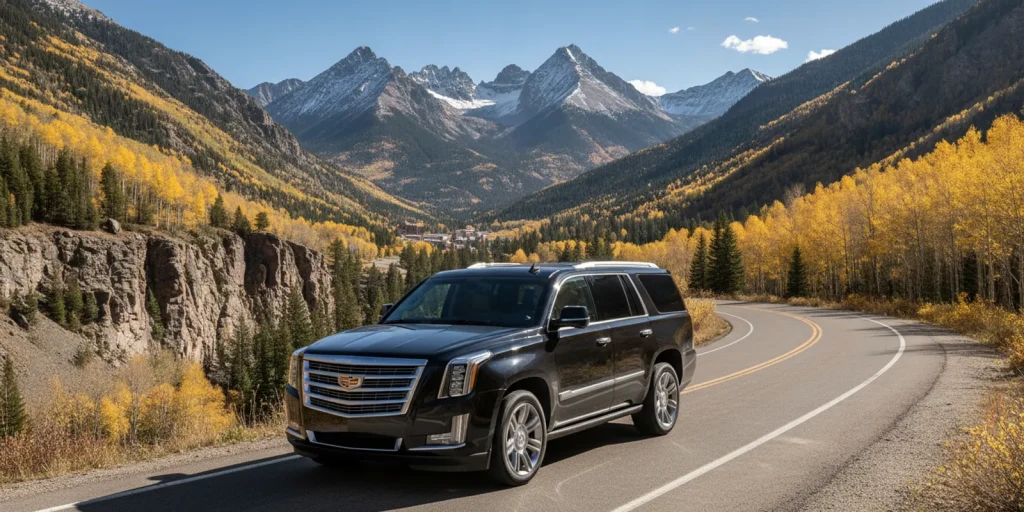
A Denver to Telluride limo service can make a long Colorado journey feel more organized, whether you are traveling for a ski trip, a celebration, business, or a quiet mountain getaway. The key is to plan the ride as a full itinerary, not just a pickup and a destination. Confirm the route, travel date, passenger count, luggage, stops, and return plan before requesting a quote.
Share your trip details and request a quote.
How should you plan a Denver to Telluride limo service?
Start by defining what the trip needs to accomplish. A direct transfer has different timing and stop requirements from a multi-day itinerary or a ride that includes several Denver-area pickups. Telluride is a substantial trip from the Denver area, so small gaps in the plan, such as an unconfirmed pickup address or an uncounted ski bag, can make coordination harder.
Before contacting a provider, write down the basics:
- Date and desired arrival time: Include the day of the week and any event, check-in, or reservation time that matters.
- Pickup address: Use the complete street address, including the building, hotel, or airport details that identify the exact pickup point.
- Passenger count: Count every traveler, including children, rather than estimating by the number of adults.
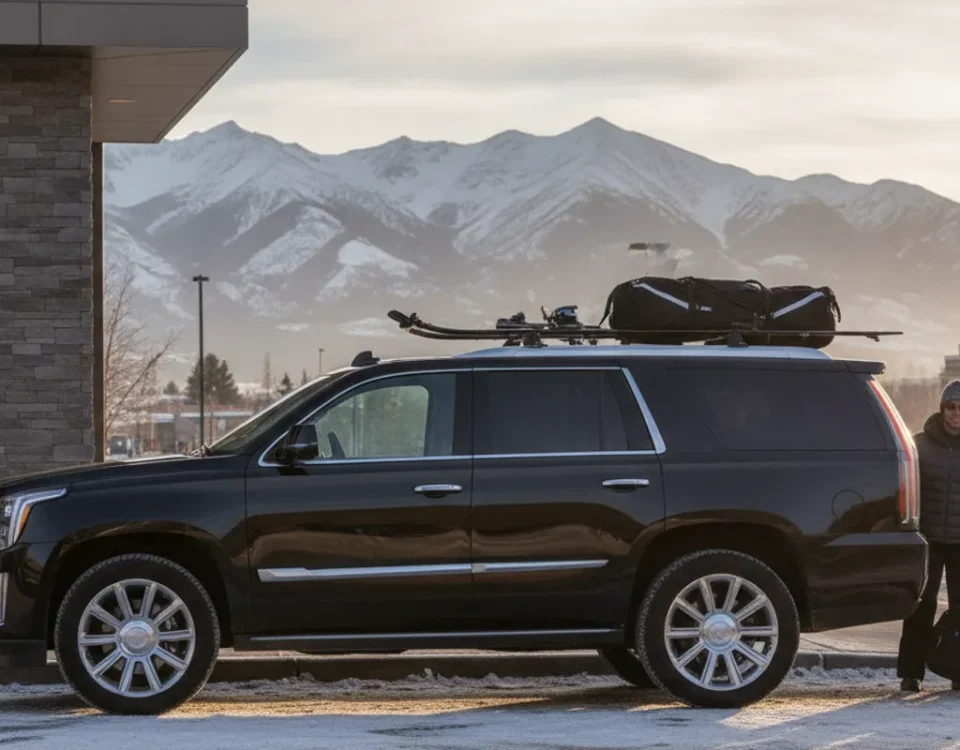
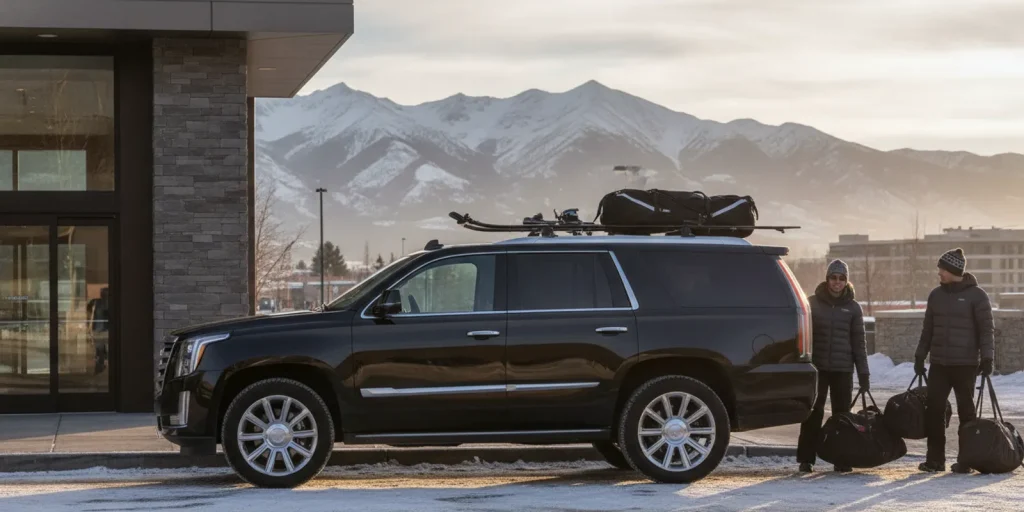
- Luggage and equipment: List suitcases, ski or snowboard gear, and any oversized items separately.
- Trip format: Say whether you need one-way transportation, a return ride on another date, or transportation between several stops.
- Contact person: Identify who can make decisions and answer the chauffeur or company if plans change.
Then request confirmation that the date, complete route, vehicle configuration, and requested timing can be accommodated. Service availability and the details of a long-distance trip should be confirmed directly; do not assume that a vehicle or schedule is available just because it appears suitable online. Avi Limo invites travelers to discuss their plans through its contact page.
What should you decide before choosing the pickup plan?
Choose a pickup plan that works for the people and addresses involved. One central meeting point can simplify loading and departure. Multiple home, hotel, or office pickups may be more convenient for a group, but they add addresses and coordination to the itinerary. Tell the provider about every pickup when you first request the quote, not after a vehicle and schedule have been discussed.
Is the trip starting at Denver International Airport?
If the group is arriving by air, provide the airport, airline and flight information, scheduled arrival time, number of travelers, and the amount of luggage. Also explain where the group plans to meet its ride and who will communicate if a flight or baggage delay changes the timing. Ask the transportation provider to explain its current airport pickup procedure. Do not rely on a generic airport assumption; follow the provider’s instructions and the airport’s current directions.
For an airport-to-mountain itinerary, be clear about whether everyone will travel together from the airport or meet at a hotel first. If one traveler arrives later, compare the extra coordination of a separate pickup with the simplicity of leaving together. Avi Limo’s DIA limo service information can help you explore its airport-related service details, while the exact trip arrangements should be confirmed for your booking.
Are several Denver-area pickups necessary?
Give each pickup address in the intended order and note any time constraints at each stop. If the group can meet at one location, consider doing so; fewer stops can make the departure plan easier to understand. If separate pickups are important, decide who will be ready at each address and how the group will share updates. Build those stops into the quote request so the provider can assess the complete itinerary rather than only the first and last locations.
For example, a group with travelers at a hotel and two homes should provide all three addresses, the order it prefers, and a named contact at each pickup. Ask whether the proposed sequence works with the arrival time you need in Telluride. If the group has flexibility, compare a single meetup location with individual pickups before deciding; the simplest plan is often the one everyone can follow without last-minute calls to locate one another. If a pickup address is a large property, hotel, or airport, include an entrance or meeting-point detail when appropriate, then follow the provider’s instructions for the final handoff.
How should you plan travel-day timing?
Work backward from the first commitment in Telluride, then discuss the proposed departure with the transportation provider. Include time to gather the group, load luggage and equipment, and handle any planned stops. Avoid choosing a departure time that leaves no margin for ordinary delays. A fixed dinner reservation, wedding event, meeting, or lodging check-in is a reason to discuss a comfortable arrival buffer in advance.
Mountain travel conditions and road conditions can change. Before the trip, check current forecasts, road advisories, and official travel updates from the Colorado Department of Transportation. Ask the provider how it will communicate if conditions affect the schedule, and agree on who will make contact. No itinerary can promise that weather or traffic will remain unchanged, so keep important plans flexible where possible.
A useful timing plan separates fixed commitments from flexible ones. Note the time you hope to leave, the time you need to arrive, and any event or check-in that cannot easily move. Then discuss the plan with the transportation provider rather than relying on an estimated drive duration alone. If your arrival is tied to an event, allow a buffer for getting out of the vehicle and reaching the venue. If it is tied to lodging, ask about the property’s check-in arrangements and whether an early arrival needs to be coordinated separately. Do not turn a preferred arrival time into a guarantee; confirm what schedule is feasible and keep your group informed if road updates require a change.
For a return ride, set the pickup date, time, and precise location separately from the outbound plan. A return trip may not start at the same place or time as the arrival. Confirm whether the group expects a direct ride or wants a stop, and give the provider the best contact number for travel-day coordination. Review Avi Limo’s reservation information for booking-related details, then verify your actual itinerary directly.
Which vehicle fits your travelers and luggage?
Passenger capacity is only one part of a good vehicle match. A group can fit by seat count but still need more room for luggage, ski equipment, or comfortable seating on an extended drive. Give the provider an honest count of people and bags, including bulky equipment, and ask which available vehicle configuration can accommodate the complete load.
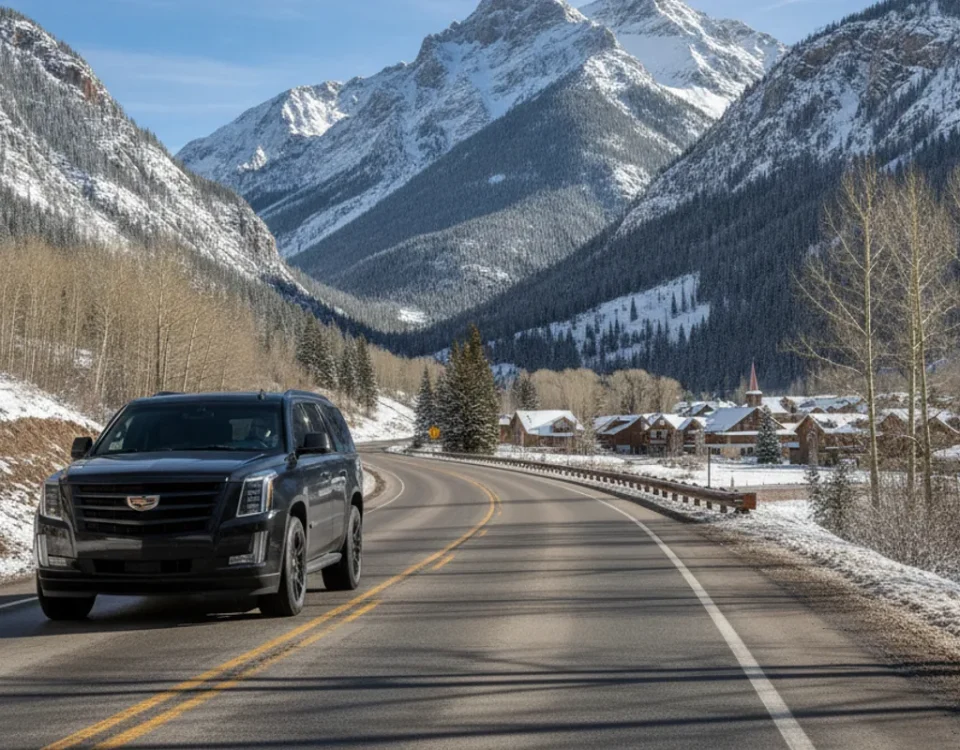
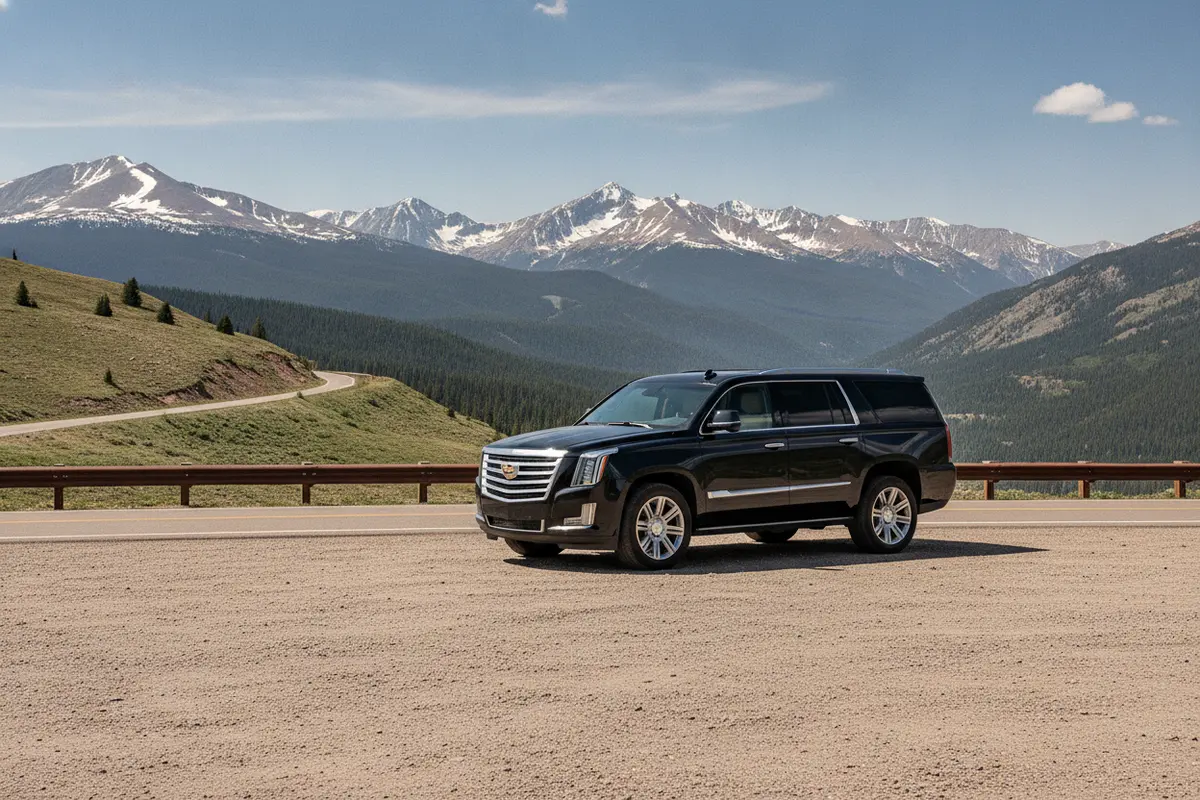
Avi Limo lists several vehicle types and capacities. Its Cadillac Escalade ESV seats up to six passengers, and the Ford Transit seats up to eleven. The Chrysler 300 Stretch and Lincoln Town Car Stretch are each listed for ten passengers; the H2 Hummer stretch limousines have listed capacities of 18 to 24. Capacity does not establish how much luggage will fit, so confirm usable space for your specific group and gear before selecting a vehicle. View the vehicle lineup and the Cadillac Escalade ESV details as a starting point for that conversation.
| Planning option | Useful when | What to confirm |
|---|---|---|
| Cadillac Escalade ESV | A small group is considering an executive SUV; listed capacity is up to six passengers. | Passenger count, luggage and ski-equipment space, pickup details, and availability for the date. |
| Ford Transit | A group is considering a van; listed capacity is up to eleven passengers. | Whether the specific group and all bags fit comfortably, plus loading needs and availability. |
| Stretch limousine | The group wants a stretch-limo format for a special occasion or shared ride. | Exact vehicle capacity, luggage limits, trip configuration, and whether that vehicle is suitable for the full itinerary. |
These options are not interchangeable solely by passenger count. Ask the provider to recommend a vehicle after reviewing both people and gear. If you are comparing executive and group transportation, Avi Limo’s service overview provides context on its offerings. Do not assume a particular model or configuration is guaranteed until it is confirmed for the trip.
Think through the seating arrangement as well as the number of seats. A party traveling with children may need to discuss child-seat arrangements; a traveler with mobility equipment may need a clear plan for getting in and out and stowing that equipment. These are details to raise before a vehicle is selected, not on the curb at departure. For a group sharing the ride, decide whether all travelers are comfortable with one vehicle and one schedule or whether different arrival times call for another arrangement. Bring those preferences into the quote discussion so that the recommendation reflects the actual trip instead of an abstract capacity number.
How do you account for luggage, ski gear, and comfort?
Make a simple packing inventory before you book. Count standard suitcases, carry-on bags, skis or snowboards, boots, and any other oversized items. Tell the provider the approximate size and quantity of unusual items. If passengers will bring child seats or mobility equipment, mention those needs early and ask how they affect the seating and loading plan.
Think about access as well as capacity. Travelers may need extra time to load, retrieve items, or regroup at a stop. Keep essentials that passengers may need during the ride easy to reach, and confirm whether a planned stop is part of the quote and schedule. Do not assume that a vehicle’s passenger capacity means it has enough cargo room for a full group carrying winter equipment.
For a long ride, agree on expectations for stops before departure. Explain whether your group anticipates meal, restroom, or other breaks and ask how those requests affect timing and price. If your travel party has different arrival times, mobility needs, or preferences about stops, identify one person to coordinate the plan. A little preparation helps the chauffeur receive clear instructions and lets the group know what has and has not been arranged.
A useful way to avoid an overly optimistic packing estimate is to list the bags by traveler. For instance, write down each person’s suitcase, day bag, and equipment rather than saying “a few bags” for the whole party. Include items that may be added close to departure, such as a second pair of boots or a child’s gear. Send the list with the passenger count and ask the provider to confirm the fit for the proposed vehicle. If the equipment list changes after booking, update the provider before travel day. This simple check helps prevent a seating plan from being made without accounting for cargo, and gives the group a chance to reduce or reorganize luggage if needed.
What should a Denver to Telluride limo service quote include?
Compare quotes using the same trip information. One estimate may cover a direct one-way transfer while another includes additional stops, a return leg, or a different vehicle. Ask the provider to spell out the proposed service and any terms that apply, rather than comparing a headline amount without knowing what it covers.
- Route: Confirm every pickup, destination, stop, and return leg.
- Vehicle: Record the vehicle type or configuration and the passenger and luggage fit that was discussed.
- Schedule: Check the planned pickup time, expected itinerary, and what happens if you need to change it.
- Price details: Ask what the quote includes and whether any requested stop, wait, or schedule change affects the total.
- Booking terms: Review payment, cancellation, deposit, and confirmation terms directly with the provider.
- Contact process: Know whom to contact before and during the trip, and how travel-day updates will be handled.
Avi Limo’s rates and service minimums can vary by service and are confirmed at quote; avoid applying a rate or minimum from a different trip to this itinerary. Its rates page is a useful place to review published rate information, while a quote request lets you share trip-specific details. For a broader view of service formats, see the company’s Denver limousine service information.
To make estimates genuinely comparable, send each provider the same concise brief. Include the exact date, pickup sequence, final destination, number of passengers, luggage and equipment inventory, requested arrival time, stops, and whether you need a return ride. Then compare what each written response actually confirms: vehicle type, route, timing assumptions, price inclusions, and change or cancellation terms. If one quote does not say whether a stop or return leg is included, ask before treating it as equivalent to another. This process avoids choosing based on a number that describes a different trip. It also makes clear which details are still open, so you can resolve them before confirming the reservation.
How can you make the itinerary easier for everyone?
After a provider confirms the trip, send one concise itinerary to every traveler. Include the pickup address and time, destination, planned stops, luggage expectations, and the contact person. Tell the group when they should be ready and where to wait. If there are multiple pickups, label each address and the person joining there. This prevents travelers from relying on different versions of the plan.
Keep the confirmed schedule and provider contact details accessible to the person coordinating the group. If a flight is involved, share any relevant changes promptly through the agreed communication channel. If the destination address or timing changes, contact the provider before assuming the new plan is workable. For a trip with multiple days or separate legs, list each date and pickup independently so that no one mistakes the return details for the outbound schedule.
For groups, make a simple day-of checklist and assign a person to each task. One person can confirm that everyone has the current pickup time, another can keep the luggage count current, and the main contact can relay approved changes to the provider. Avoid sending conflicting updates from several travelers. If someone is delayed, have that person communicate through the agreed point of contact, who can ask the provider whether the schedule can be adjusted. Keep a copy of the itinerary that works without relying on a long group-message thread: addresses, times, stops, and contact details should be easy to find at a glance.
Finally, leave flexibility around nonessential plans. A mountain trip involves a longer route than an ordinary local ride, and conditions or group needs can shift. Confirm the important commitments and the transportation plan, but avoid promising a precise arrival minute to hosts or event organizers when the itinerary may be affected by road or weather changes.
How can a Denver to Telluride limo service handle trip-day coordination?
Before departure, review the itinerary against the booking confirmation. Check that each traveler has the correct pickup point, that the coordinator has the provider’s agreed contact method, and that the luggage and stop plan has not changed. If the pickup is at an airport, follow the provider’s current instructions instead of improvising a meeting location. If it is at a home or hotel, tell travelers where to wait and how long before pickup they should be ready, based on the arrangement you confirmed.
Keep trip updates factual and concise. If weather, a flight, or a group delay affects the plan, the designated contact should share what changed and ask what options are available. Do not assume a route change, extra wait, or added stop is automatically included. The provider can confirm whether the revised request can be accommodated and whether it changes the schedule or quoted terms. After any change is agreed, send the updated details to the whole group so everyone is working from the same plan.
Frequently Asked Questions
Can I request a one-way trip from Denver to Telluride?
Ask the provider whether it can accommodate your requested date and one-way itinerary. Include the pickup address, destination, passenger count, bags, and desired arrival time so availability and the complete trip can be assessed.
Should I book a separate return ride?
Include return transportation in your initial planning if you need it. Share the return date, pickup address, time, and any intermediate stops. Confirm each leg and its terms directly; do not assume the outbound quote automatically covers a return.
What vehicle should I choose for ski equipment?
There is no reliable answer from passenger capacity alone. Provide the number of travelers and a clear inventory of skis, boards, suitcases, and other bags. Ask the provider to confirm that the specific available vehicle can handle both passengers and cargo.
How far in advance should I request a quote?
Request a quote as soon as you know the travel date and basic itinerary, especially when the schedule is tied to a holiday, event, or lodging check-in. Availability depends on the date and vehicle, so confirm it directly rather than relying on a general booking window.
Can the itinerary include stops?
Tell the provider about every planned stop when requesting the quote. Confirm whether the stop can be accommodated, how it affects the schedule, and whether it changes the quoted terms. Do not add a stop on travel day without first checking that the revised plan is workable.
Discuss your route, group size, and timing with Avi Limo.
Ready to plan your Denver to Telluride trip?
Gather your dates, pickup and destination addresses, passenger count, luggage list, and any required arrival time before requesting a quote. Clear details make it easier to discuss vehicle fit, route planning, and the complete service arrangement.
Contact Avi Limo to review your trip plan.
A confirmed itinerary gives your group a shared plan and a clear point of contact before the journey begins.