Call us: 303-455-4455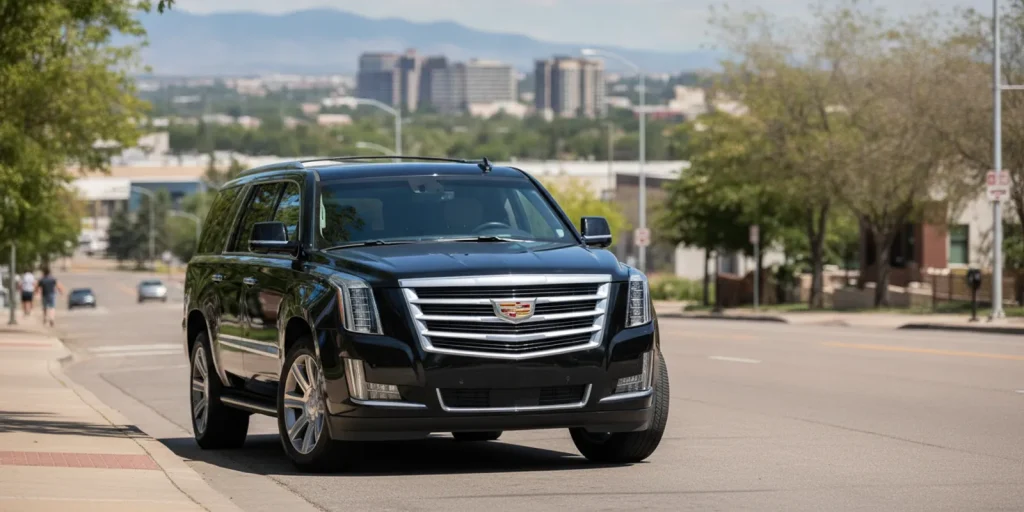
Planning Denver to Lakewood car service starts with more than choosing a pickup time. Think through the purpose of the ride, the exact addresses, who is traveling, and what needs to happen before and after arrival. A clear trip brief helps you compare a private chauffeured ride with other arrangements and makes it easier to request a useful quote.
Share your trip details and request a quote.
How should you plan Denver to Lakewood car service?
Begin with the trip itself, not with a vehicle. Denver and Lakewood are neighboring cities, but the right plan depends on where you are starting, the destination, the time window, and whether the ride is one-way, round trip, or part of a longer schedule. A trip from a downtown hotel to a Lakewood office has different coordination needs from an evening event or an airport connection.
Write down the date, requested pickup time, full pickup address, destination address, and the time you need to arrive. Add any intermediate stops and say whether they are firm or optional. If you do not know the exact pickup point yet, identify the venue, building, or neighborhood and note what still needs confirmation.
For a basic local trip, the most useful first question is whether you need transportation for a single point-to-point ride or for several hours. If you have an appointment with a fixed start time, focus on the arrival deadline and a reasonable pickup plan. If your schedule includes multiple stops, waiting, or a return ride, explain that up front rather than treating each leg as a separate trip.
What kind of Denver-to-Lakewood trip are you arranging?
Events and evening plans
For a concert, celebration, or other event, make the venue and schedule the center of the plan. Confirm the venue address, the preferred drop-off area if you know it, doors or start time, and when your group expects to leave. Do not assume the return pickup will happen at the same place as the drop-off. A venue may direct arriving and departing vehicles to different areas, so confirm the meeting point and share a recognizable landmark with the group.
For several travelers, appoint one person to coordinate. That person can collect arrival times, share the pickup address, and make sure everyone understands the return plan. Decide whether the group must leave together or whether someone may need a separate pickup. Give the service provider the actual passenger count, not an estimate that leaves out a friend or family member joining later.
If you are attending an event at a specific location, see Avi Limo’s limo and chauffeur service options and, for Red Rocks plans, its dedicated Red Rocks transportation information. Those pages can help you identify the service type to ask about; confirm the details for your own trip directly.
Business travel
Business rides often depend on punctual arrivals, clear instructions, and flexibility if a meeting runs long. Include the office or hotel name as well as its street address, plus the entrance or building name if there are multiple access points. For a client pickup, share who will meet the chauffeur and how to identify the traveling party. If the schedule has a meeting followed by dinner or another stop, list each location and the expected order.
For a group arriving from different places, decide whether a single pickup makes sense or whether separate pickups are necessary. More stops add coordination and can affect the schedule, so include them in the initial request. If the trip is tied to a flight, train, or meeting start, note the relevant arrival or departure time and explain which one is the hard deadline.
For repeat or multi-stop business travel, compare a point-to-point ride with a booking that covers a broader time window. Ask what is included in the proposed arrangement, how waiting is handled, and how schedule changes should be communicated. Do not infer a service minimum or assume that a booking can be extended without checking the quote.
Airport connections
A Denver-to-Lakewood trip may be one part of an airport itinerary. If your ride starts or ends at Denver International Airport (DIA), include the flight details, the scheduled landing or departure time, the terminal or pickup instructions you have, and the Lakewood address. Also say how many people are traveling and how many bags they will bring. This information helps establish whether the vehicle and timing are a fit.
When traveling from Lakewood to DIA, work backward from the time you want to be at the airport, then state your requested pickup time and any constraints. A quote request is not the place to leave out an early flight or a fixed check-in plan. When traveling from DIA to Lakewood, distinguish the flight’s scheduled arrival from the time you expect to be ready to leave the airport. Ask how the pickup is coordinated and what information the provider needs if your itinerary changes.
Avi Limo has a separate page about DIA limo service. Consult the published service details and confirm current pickup procedures directly with the company; do not rely on a general local-trip plan for airport instructions.
How do you choose a vehicle for the passengers and luggage?
Start with the number of passengers, then account for luggage, mobility needs, and the kind of ride you want. Passenger capacity alone does not tell the whole story: bags take space, and a group may prefer to travel together rather than divide into multiple vehicles. Share the passenger count and luggage estimate when asking for options. If travelers have large suitcases, equipment, or other bulky items, describe them rather than saying only “some bags.”
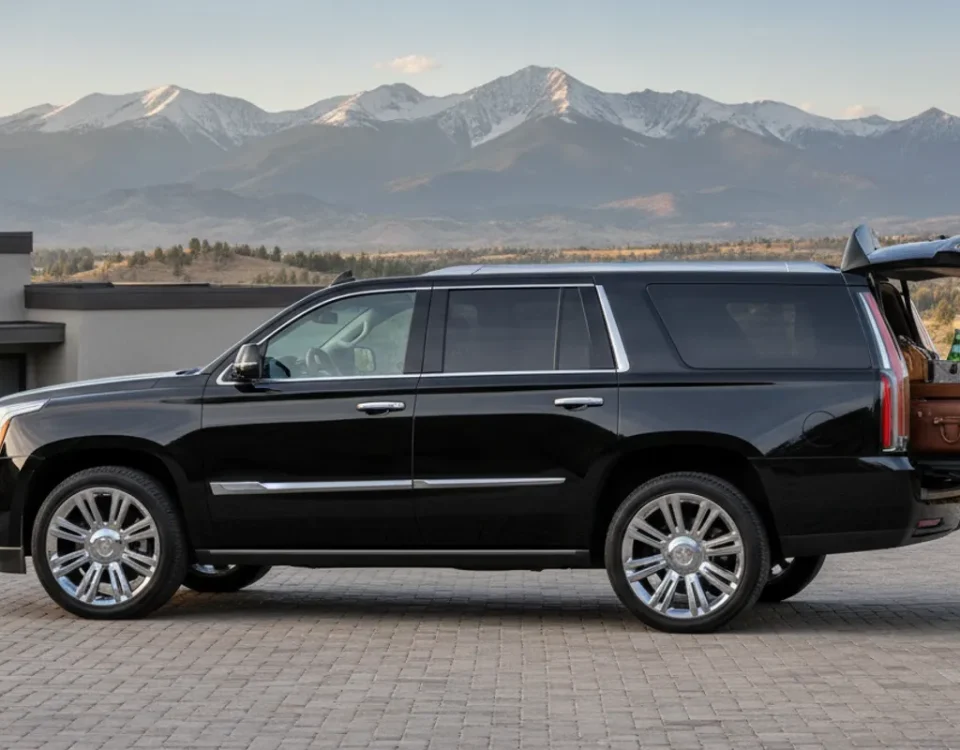
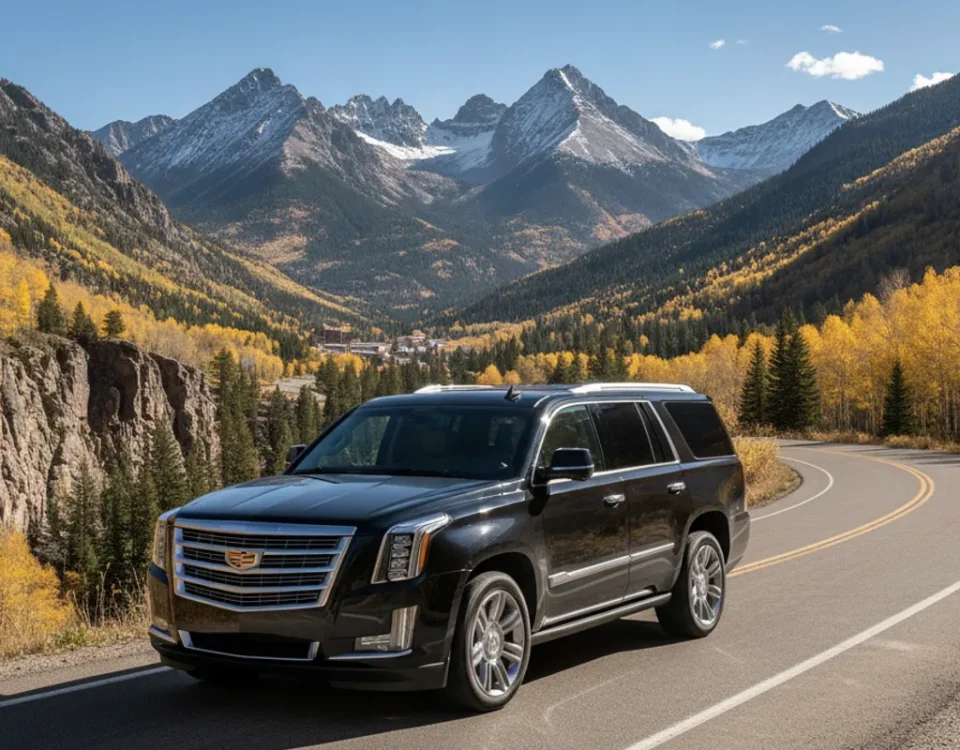
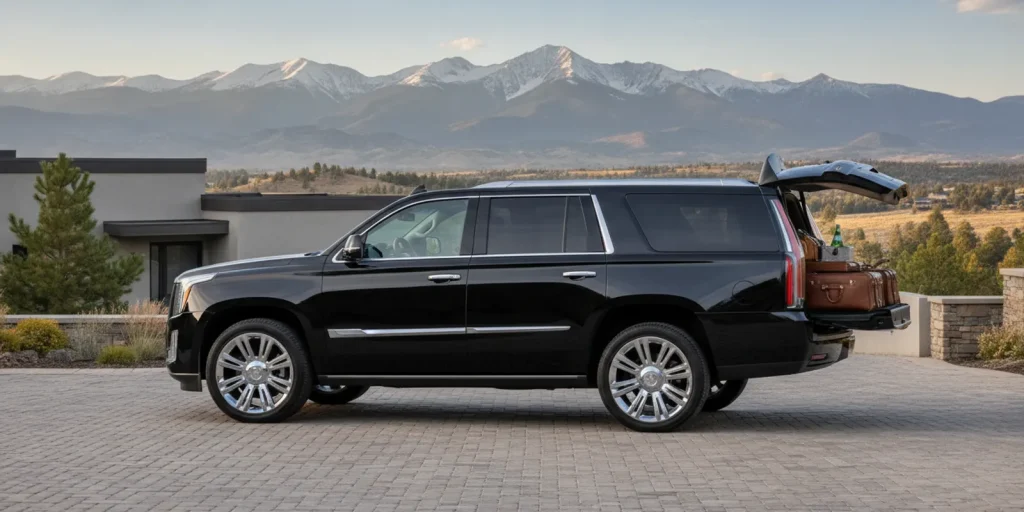
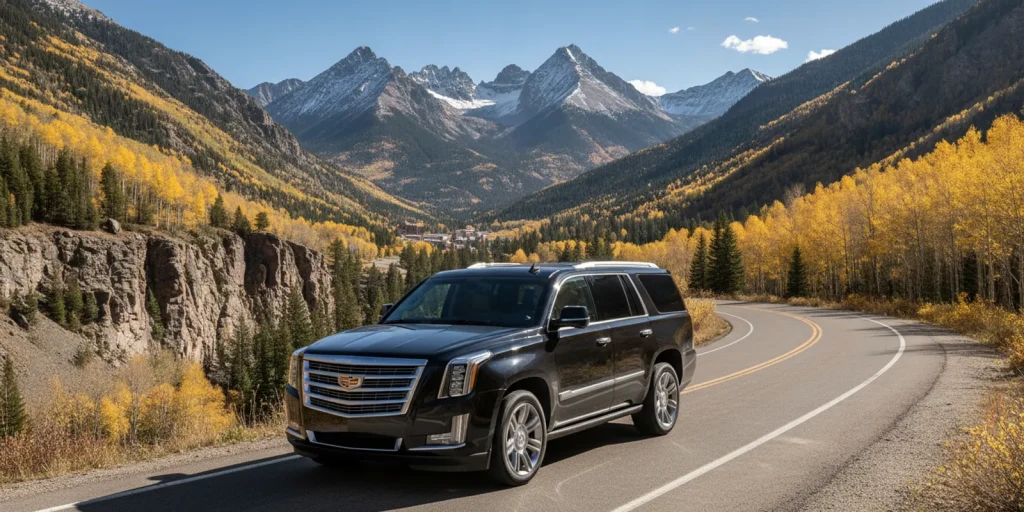
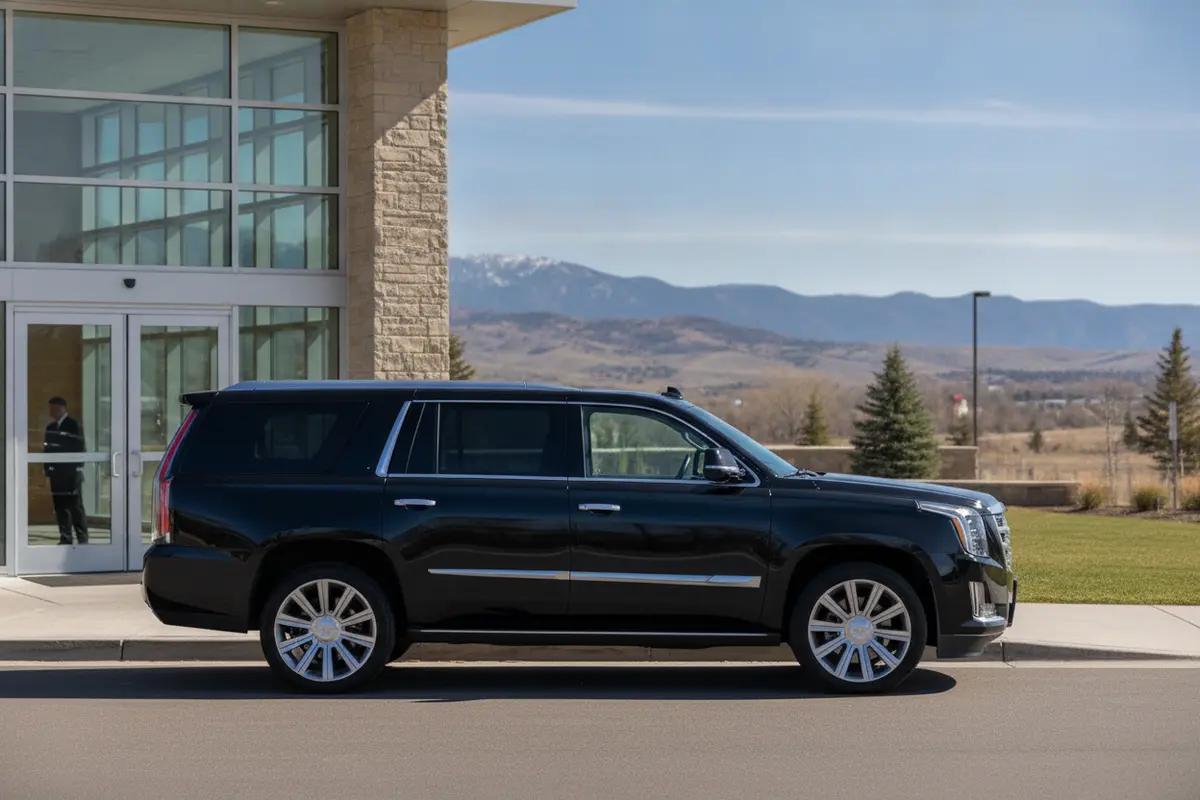
Avi Limo’s published vehicle information lists options for different group sizes, including a Cadillac Escalade ESV with capacity for up to six passengers, a Chrysler 300 stretch limousine for up to ten, a Ford Transit for up to eleven, and H2 Hummer stretch limousines for 18 to 24 passengers. A vehicle’s stated passenger capacity does not establish how much luggage will fit or whether a particular configuration is available for your date. Confirm both points before booking.
For a smaller group seeking an executive-style SUV, review the Cadillac Escalade ESV details. For a larger group, compare the available vehicle options and ask which one suits your passenger and baggage requirements. Stretch limousines and executive vehicles serve different preferences; describe the occasion and practical needs instead of choosing solely by appearance.
| Trip need | Option to ask about | What to confirm |
|---|---|---|
| Small group seeking an executive-style ride | Cadillac Escalade ESV (up to 6 passengers) | Passenger count, luggage space, date availability, pickup details |
| Group of up to 10 preferring a stretch limousine | Chrysler 300 stretch limousine (up to 10 passengers) | Actual group size, luggage, service arrangement, timing |
| Group needing capacity for up to 11 | Ford Transit (up to 11 passengers) | Passenger and baggage fit, pickup sequence, destination access |
| Larger celebration or group outing | H2 Hummer stretch limousine (18–24 passenger capacity) | Exact passenger count, baggage, vehicle availability, full schedule |
These are starting points for a conversation, not a promise that a specific vehicle is available or suitable for every trip. Ask about the exact vehicle, passenger arrangement, and luggage fit for your date. You can also read more about the Ford Transit executive van before requesting a quote.
How should you coordinate pickup locations and timing?
Use complete addresses wherever possible. For homes or offices, include the building name, entrance, and any access instructions that a visitor would need. At a hotel or event venue, name the property and specify the agreed meeting point. “Near the front” can mean different things at a large site, so choose a door, curb, or landmark and communicate it to all travelers.
Check whether the pickup location has a designated loading area, a gate, restricted access, or a security desk. If a driver needs a contact person to enter or find the group, identify that person and provide a reliable way to reach them. For a group, send the same pickup information to everyone and ask them to be ready at the agreed time. A trip coordinator should keep the service provider’s contact details available in case plans change.
Build the itinerary in sequence. List the pickup, each stop, expected wait or appointment time, and final destination. Identify which times are fixed and which are estimates. If you need a return ride, specify the planned return time or explain what will determine it. Avoid promising a precise travel duration unless it has been confirmed for the date and itinerary; route conditions, traffic, and event activity can change how the journey unfolds.
Transportation demand management is one way public agencies discuss how, when, and where people travel to support system efficiency. Denver’s Transportation Demand Management presentation describes that broad planning concept. For an individual ride, the practical takeaway is to be clear about your schedule and pickup locations so the itinerary can be evaluated realistically.
What is a useful trip brief for a Denver-to-Lakewood ride?
A short, structured request helps you get a response based on the trip you actually intend to take. Start with the date and requested pickup time, then add the complete origin and destination. State whether the time is the pickup time or the time you need to arrive. Include the number of passengers and the approximate number and size of bags. If you have a preferred vehicle style, mention it as a preference rather than assuming it is available.
For an event, a useful brief might say: “We need a ride from a Denver address to a Lakewood venue on the requested date. There are six passengers. We want to arrive before the event begins and expect to leave afterward. Please tell us what pickup and return arrangements are available.” Add the actual addresses and times when known. If the group will decide its return time later, ask how that kind of schedule is handled before confirming.
For a business itinerary, include the office or hotel, meeting start time, any planned stops, the time the group expects to finish, and the name of the day-of coordinator. If another traveler must be collected, list that address and the order of the pickups. Ask the provider to confirm that all legs and any requested waiting period appear in the proposed arrangement.
For an airport connection, provide the airline and flight details along with the flight time, the number of travelers, bags, and the full Lakewood address. State whether the ride is to DIA or from the airport. Then ask which pickup instructions apply and what you should do if the flight schedule changes. Do not share a partial itinerary and expect the provider to infer missing stops or timing.
Before sending, read the request as if you were the person arranging the ride. Could they tell where to go, when to be there, how many people to expect, and whether they need to return or wait? If a detail is unknown, identify it as unconfirmed. This makes the next conversation more efficient and reduces the risk of comparing quotes that cover different plans.
What details can change the plan on the day of travel?
Some trip details are stable, such as the destination address; others may change. Meetings can run late, event departure points may be different from arrival points, and travelers may add bags or passengers. Identify the details most likely to change and ask how to communicate updates. Keep the day-of contact information accessible to the trip coordinator, and make sure the group knows who is responsible for sharing an updated time or location.
For an itinerary with several stops, agree on a simple decision process before the ride. Who can authorize a change? Should the chauffeur be told directly, or should one coordinator contact the company? If a return pickup time is flexible, ask how to set or adjust it. Do not assume that a text or call has changed a confirmed booking until the provider acknowledges the update.
Think about access as well as timing. A street address may point to a large property with several entrances, a controlled gate, or limited curb space. Ask the host or venue about the correct passenger loading area when needed, then pass along that information. If travelers need extra time to board or have specific accessibility requirements, raise those needs when requesting the ride so the service provider can tell you what arrangements are possible.
Weather, traffic, and event activity can affect the day’s schedule, so avoid building a plan around an unverified exact drive time. Give the provider your required arrival time and ask what pickup timing they recommend for the itinerary. For airport travel, make the flight schedule and terminal instructions part of that discussion. Keep a little flexibility where you can, but confirm the final plan rather than relying on a vague buffer.
Should you book a point-to-point ride or a longer service window?
A point-to-point ride may suit a direct trip with a clear pickup and destination. A longer service window may be worth asking about when the itinerary includes several stops, a meeting, or a return later in the day. These are different arrangements, so explain how long you expect to need transportation and what the chauffeur would need to do between locations. The provider can tell you which option is available and how it would be quoted.
For one-way plans, make sure everyone knows who will arrange the next leg. For a round trip, confirm the return pickup location and time, including whether the group expects to wait at the destination or be collected later. For multiple stops, provide the order and likely duration at each stop. Avoid assuming that a wait, route change, or extra stop is included just because it seems close by.
Consider how much flexibility the day requires. A fixed appointment may call for a direct pickup and a clearly defined arrival deadline. A social event may have an uncertain finish time. A business visit may include meetings that can shift. Describe these differences when requesting a quote and ask how the plan can be adjusted, what requires advance notice, and how any change affects the arrangement.
It can help to compare formats using the same itinerary. Ask what the proposed arrangement covers, when service begins and ends, and whether any additional charges or minimums apply. Do not select a longer or shorter option based only on an assumed drive time. Compare the complete schedule and your need for the vehicle at the destination.
What should the trip coordinator do before departure?
Choose one person to hold the final itinerary and share updates. That person should have the confirmed addresses, times, passenger count, vehicle description, and contact instructions in one place. Send the pickup details to everyone who is traveling, including a clear meeting point and how early the group should be ready. If travelers are arriving separately, tell them whether to wait for the group or follow a different plan.
On the day, check that the trip has not changed since confirmation. Verify the pickup address, the number of passengers, any requested stops, and the destination or return location. If the venue has sent updated access instructions, pass them along promptly. Keep the group’s bags and any equipment together so boarding and loading can be handled without last-minute surprises.
If a change becomes necessary, have the coordinator contact the service provider through the agreed channel and wait for confirmation. Avoid having several passengers send different instructions. For a late-running meeting or event, ask the provider how to handle the new timing rather than making an assumption about the pickup. A single clear point of contact reduces confusion for the travelers and the chauffeur.
Finally, make sure your backup plan is practical. If a traveler misses the pickup, if a venue changes the exit point, or if an airport itinerary shifts, know whom to contact and what information to provide. You do not need to predict every disruption. You do need to know how to relay the change and confirm what happens next.
What should you confirm when comparing Denver to Lakewood car service?
When you receive a quote, compare the same trip details across options. A low or high total is difficult to interpret if one request includes a return journey or wait time and another does not. Ask what the price covers, which vehicle is proposed, and whether the itinerary you described is reflected accurately. Avoid relying on an old price or an unrelated online figure; request current details for your actual date and route.
- Route: Are the correct pickup, destination, and intermediate stops included?
- Time: Does the arrangement cover the pickup time, waiting period, return ride, or extended schedule you need?
- Vehicle: Is the proposed vehicle suitable for the full passenger count and the luggage or equipment?
- Service format: Is the request for a one-way trip, a round trip, or service over a longer time window?
- Changes: How should you communicate a time, address, passenger, or itinerary change?
- Confirmation: What details will be confirmed before the ride, and who is the day-of contact?
Service minimums and arrangements can vary. Ask what applies to your specific booking instead of assuming that every ride is priced or scheduled the same way. Avi Limo’s rates information and reservation details are useful starting points, but confirm any open questions directly. If you are still comparing providers, its limo quote guidance can help you prepare the information needed for a clear request.
Ask Avi Limo about your Denver-to-Lakewood itinerary.
Frequently Asked Questions
Can I arrange a one-way ride between Denver and Lakewood?
Ask for a quote that clearly identifies a one-way trip, with the exact pickup and destination addresses. If you might need a return later, mention that possibility so you can compare the available arrangements before confirming.
Which Avi Limo vehicle should I request for my group?
Provide the passenger count, luggage estimate, and preference for an executive vehicle or stretch limousine. Avi Limo lists several options with different capacities, but the best fit and availability for a specific date should be confirmed with the company.
What details should I provide for an airport connection?
Include the flight details, scheduled arrival or departure, passenger count, luggage, and complete Lakewood address. Ask how airport pickup or drop-off will be coordinated, and check Avi Limo’s published DIA service procedures for the current instructions.
How far in advance should I request the ride?
There is no single lead time that fits every trip. Requesting details early gives you more time to confirm the vehicle, schedule, and pickup plan, especially when a group or event itinerary has several moving parts. Ask about availability for your date rather than assuming a particular vehicle can be reserved.
Ready to plan your Denver to Lakewood ride?
Before you reach out, gather the date, addresses, pickup and arrival times, passenger count, luggage estimate, stops, and any return-trip needs. The more complete the itinerary, the easier it is to discuss a suitable vehicle and service arrangement.
Request a quote for your Denver-to-Lakewood trip.
A well-planned ride begins with clear details and a service arrangement that fits the trip, not assumptions about distance alone.