Call us: 303-455-4455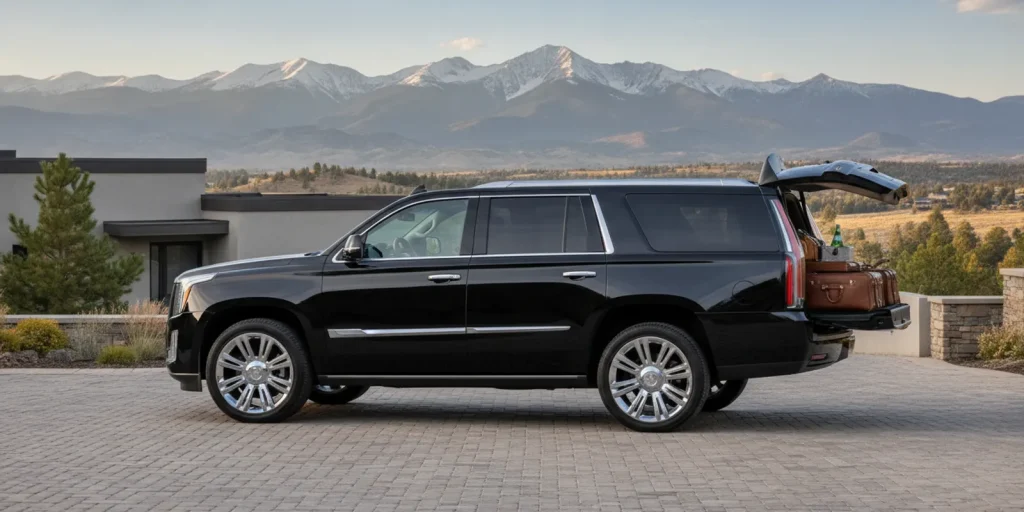
Arranging a Denver to Colorado Springs limo service starts with more than choosing a pickup time. Travelers should coordinate both addresses, the reason for the trip, the number of passengers, luggage, any airport connection, and whether the ride is one way or round trip. A clear trip brief helps match the vehicle and schedule to the day instead of leaving important details to the last minute.
Request a Denver-to-Colorado Springs ride plan.
How do you arrange Denver to Colorado Springs limo service?
Begin by describing the complete journey, not just the two cities. A chauffeur transfer may start at a home, office, hotel, event venue, or Denver International Airport (DIA), and the Colorado Springs destination could be a residence, hotel, workplace, venue, or another address. Those details affect pickup coordination, route planning, waiting time, and the right vehicle.
Before requesting a quote, write down the following:
- Pickup address and requested time: Include the full street address, building or terminal details, and any instructions for finding the meeting point.
- Drop-off address: Use the exact destination rather than only saying “Colorado Springs.” If the group has several stops, list them in order.
- Passenger count: Count every traveler, including children. Do not assume that a vehicle’s passenger capacity means it will also fit everyone’s luggage.
- Bags and equipment: Estimate the number and type of suitcases, garment bags, strollers, or other items. Describe unusually large pieces.
- Trip format: Say whether you need a one-way transfer, a same-day return, a later return, or transportation with waiting or additional stops.
- Schedule constraints: Share an appointment, event start, flight, or other time that the ride must support.
These basics let the provider confirm what is feasible and what information is still needed. Avi Limo serves Denver and Colorado Springs; for a trip-specific plan, use the contact page and describe the itinerary. You can also review the company’s Denver limo services to understand the broad service options before you reach out.
What pickup details should travelers confirm?
For a residence or office pickup, confirm the street address, entrance, and the best place for the chauffeur to stop. If the location has a controlled gate, loading area, security desk, or limited curb access, explain the procedure in advance. At a hotel or event venue, identify the specific entrance and any pickup rules you already know. A name alone may not tell the chauffeur which side of a large property to use.
For DIA, tell the provider that the trip begins at the airport and share the flight and arrival details requested during booking. Confirm the agreed pickup location and the instructions for contacting the chauffeur after landing. Airport procedures and service policies can change, so use Avi Limo’s published information and confirm the plan directly rather than relying on a generic airport pickup assumption. The DIA limo service information is a useful place to start.
For a Denver-area pickup followed by a Colorado Springs appointment, work backward from the time you need to arrive. Leave room for boarding, traffic, stops, and any time-sensitive check-in. The provider can discuss the schedule using your actual addresses and requested arrival time. Avoid treating a map estimate as a guarantee: traffic, weather, road conditions, and access at either end can affect a travel day.
If the Colorado Springs stop is at a venue or workplace, ask the destination contact about passenger drop-off and pickup rules. Some properties have a designated loading area or require advance coordination. Add those instructions to the trip brief, especially if the chauffeur will need to return later. A specific meeting point is easier to use than a broad venue name when several entrances are possible.
How much time should you plan for the drive?
There is no single travel-time estimate that works for every Denver-to-Colorado Springs trip. The starting point in Denver, exact destination, time of day, traffic along the route, weather, and planned stops all matter. A downtown pickup and a pickup in a far-flung suburb are different itineraries, even when both are described as “Denver.”
Think about the day’s sequence before setting the pickup time. Will passengers need to gather at more than one Denver address? Is anyone being collected along the way, or is the chauffeur going directly to one destination? A short stop may sound simple, but it still takes time to reach, load or unload, and continue the trip. Put every planned stop in the request, even if its timing is approximate. The provider can then discuss a schedule based on the actual itinerary rather than a city-to-city estimate that leaves out important legs.
For an appointment or event, account for what travelers must do after arriving. They may need time to check in, meet a host, unload equipment, or walk from a drop-off point to the venue. Identify the time they need to be ready at the destination, not just the event’s published start time. If there is a fixed check-in window, tell the provider. This gives the planner a clearer target and helps avoid treating arrival at the curb as equivalent to being settled and ready.
Start with the time you must be at the destination, then tell the provider whether that time is fixed or flexible. For a meeting, ceremony, show, or medical appointment, explain the consequence of arriving late. For a casual visit, you may have more flexibility. This distinction helps the trip planner discuss an appropriate departure window rather than choosing a time based only on a rough online estimate.
When the trip is planned around a flight, include the airline’s scheduled departure or arrival time and the airport pickup or drop-off address. Confirm whether the ride is connecting a Denver address with DIA, Colorado Springs Airport, or another location; do not leave “airport transfer” ambiguous. If the traveler is arriving at DIA and continuing to Colorado Springs, share the flight details and ask what arrival coordination is included in the quoted plan. This guide concerns the transfer itinerary, not a promise about flight monitoring or airport procedures.
For a return ride, work out whether the driver should wait, leave and come back at a set time, or return on a separate schedule. A dinner reservation, event ending time, or meeting may run early or late. Tell the provider what is known and ask how schedule changes or additional waiting are handled before you confirm. Do not assume a return is automatically included in a one-way quote.
Which vehicle fits your passengers and luggage?
Choose a vehicle based on the real passenger and luggage load, plus the purpose of the trip. An executive transfer for a few travelers may call for a different setup than a family with large suitcases or a group attending an event. A larger passenger capacity does not, by itself, establish how much luggage fits comfortably. Share both numbers when you request a quote and ask the provider to confirm the appropriate option.
| Vehicle option | Verified passenger capacity | Trip-planning notes |
|---|---|---|
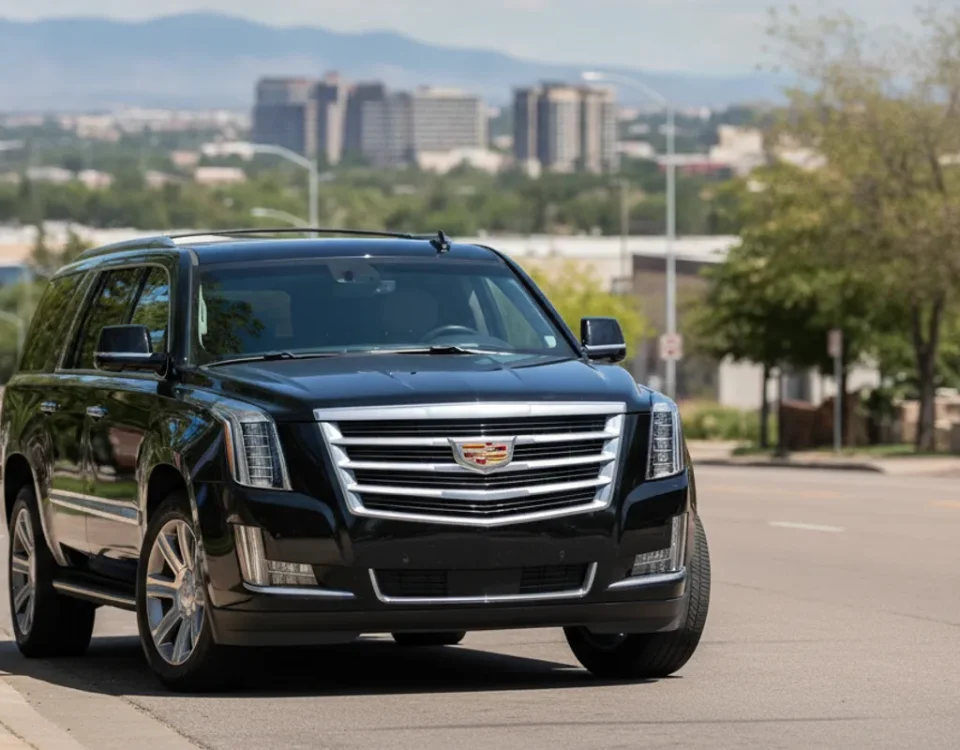
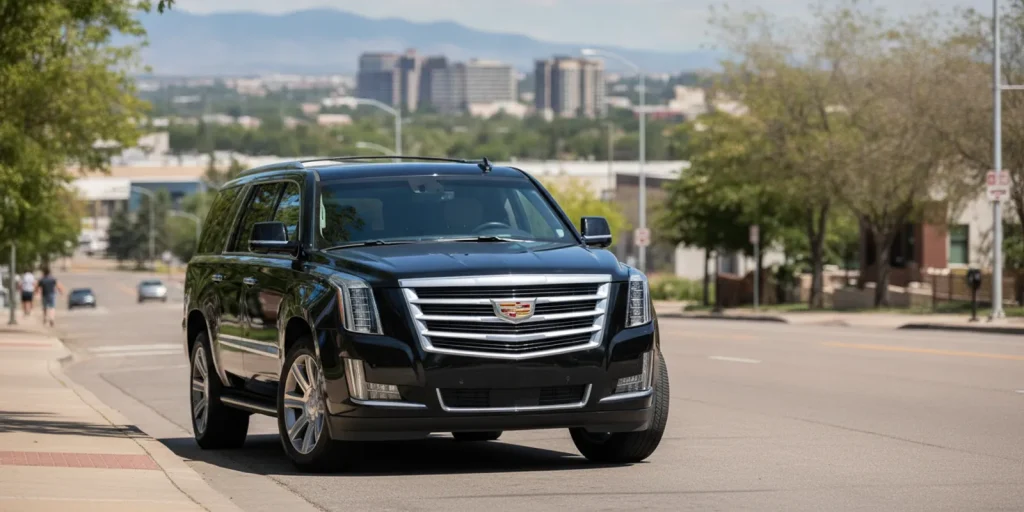
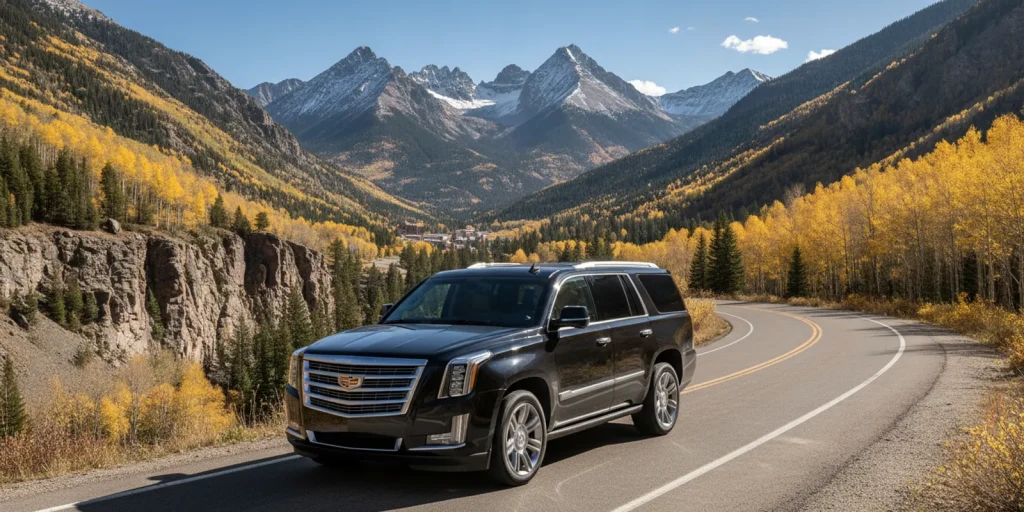
| Cadillac Escalade ESV | Up to 6 passengers | Ask about luggage capacity and fit for your specific group. |
| Ford Transit | Up to 11 passengers | Useful to discuss for a larger group; confirm seats and bags together. |
| Chrysler 300 Stretch | Up to 10 passengers | Consider the occasion as well as passenger and luggage needs. |
| Lincoln Town Car Stretch | Up to 10 passengers | Confirm availability and whether the configuration suits the itinerary. |
| H2 Hummer stretch limousine | 18-24 passengers | Ask which capacity applies to the specific vehicle and luggage plan. |
These are passenger capacities, not a guarantee that a particular vehicle will be available for a chosen date or that every passenger-and-bag combination will fit. For example, a six-person group with multiple large suitcases may need a different conversation than six travelers carrying only small bags. Ask the provider to verify the actual vehicle, capacity, and luggage fit before confirming.
Think about the experience as well as the seat count. A business group may prioritize a professional, comfortable ride and a schedule that supports a workday. Friends attending a celebration may want to discuss a stretch limousine. For a family, easy boarding and room for bags may be central. Avi Limo’s vehicle information and specific pages for the Cadillac Escalade ESV and Mercedes-Benz Sprinter can help you identify what to ask about; the final fit and availability should be confirmed for your trip.

What changes when the ride includes an airport?
An airport connection adds details that are easy to overlook in a city-to-city plan. State which airport, the flight’s date and number, whether the traveler is departing or arriving, and the full destination address. If the itinerary includes a pickup in Denver before going to DIA, specify the pickup order and any other passengers or stops. If a traveler is landing at DIA and heading south, explain who will be traveling and whether anyone else will join along the way.
Confirm the meeting arrangement and what to do if the flight schedule changes. Ask which communication method the chauffeur and traveler should use, and make sure the traveler can access the relevant contact details after landing. Keep the reservation information available to the person taking the ride, not only the person who booked it.
If the group is connecting between two airports or adding an intermediate stop, list every leg instead of describing the day as a simple transfer. Specify how long the group expects to spend at each stop and whether the chauffeur should remain with the group or return later. A more detailed itinerary lets the provider assess the request accurately. The reservation information can help with the booking process; confirm trip-specific airport arrangements directly.
Colorado weather can also affect an airport connection, particularly when a missed appointment or flight would disrupt the rest of the day. Share the required arrival time and the consequences of a delay, then discuss a practical schedule with the provider. Do not rely on a promised travel time unless the provider has confirmed it for the particular date and itinerary.
How should you coordinate a round trip or multiple stops?
Describe each leg in chronological order. A useful outline might include a Denver pickup, a scheduled Colorado Springs appointment, a second stop, and an evening return. For each leg, provide the address, target time, expected passenger count, and whether the group will have luggage with it. If some passengers join or leave during the day, identify where that happens.
Then ask how the requested service format works. A one-way ride, a round trip with a set return time, and a vehicle retained during the day are not necessarily the same arrangement. Explain how long the chauffeur may need to wait, whether the group expects schedule changes, and when the return time will be known. Service minimums and terms can vary, so ask for the requirements that apply to your itinerary rather than assuming a standard hourly block.
For an event, agree on a return meeting point before the group separates. Choose a location that is clear to everyone and permissible for pickup. Give the group a contact person who can communicate any change, and set a realistic process for notifying the chauffeur if the event ends late. If the group has several destinations, establish whether the vehicle will make each stop and whether the sequence can change.
Review every address and time in the written trip details before confirming. Check spelling, dates, AM or PM, flight information, and the number of passengers. If the destination changes or a stop is added, notify the provider as early as possible. A clean itinerary reduces uncertainty for the traveler, the person arranging the ride, and the chauffeur.
What should you include when requesting a quote?
Send a concise, complete trip brief so the provider can respond to the actual request. Include the date, pickup and destination addresses, preferred pickup or arrival time, passenger count, luggage estimate, trip format, and any airport or stop details. Mention whether the schedule is firm and what flexibility you have. If a third party is arranging the ride, give the traveler’s name and the best way to share booking updates.
When comparing offers, make sure each provider is quoting the same itinerary. Check whether the quote covers the same addresses, vehicle type, waiting time, extra stops, and return plan. Ask what is included, which details could change the total, and how changes or cancellations are handled. Do not compare a one-way transfer with a quote that includes a waiting period or return ride as if they were identical.
Avi Limo does not publish one universal price or minimum for every type of transfer in the information available for this article. Prices and service minimums should be confirmed for the exact date, vehicle, and schedule. You can review the company’s rates information and the general limo quote guide, then request a trip-specific quote. The company information also offers background on Avi Limo’s service approach.
For statewide transportation context, the Colorado Governor’s Dashboard provides a transportation overview. It is not a substitute for a trip-specific route, traffic, or weather check, so confirm those details close to the travel date.
How can you make the travel day easier?
Once the booking is confirmed, share the itinerary with everyone who is riding. Include the pickup time and location, destination, agreed vehicle, luggage plan, and how the group should reach its trip contact. For a business or family coordinator, make sure someone on the day can answer questions and authorize a change if plans shift.
Ask travelers to be ready at the agreed pickup point and to keep essential items with them. If they need accessibility accommodations, child seats, or special handling for equipment, raise that during the quote process instead of assuming it can be arranged later. Confirm the provider’s ability and requirements for each request. Share only the information needed to coordinate the ride, and keep confirmations in a place that travelers can access.
Recheck the date, addresses, and contact plan shortly before departure. If weather or a schedule change affects the plan, contact the provider using the confirmed channel. Avoid sending a new address or asking for a major itinerary change only at pickup time; it may affect the vehicle or schedule. A responsive conversation before the trip is the simplest way to resolve uncertainty.
For an additional Colorado Springs trip, start with the new date and itinerary instead of assuming that the prior reservation’s arrangement carries over. Passenger count, luggage, pickup location, and service terms may differ. A current trip brief makes it easier to confirm the right details each time.
Send Avi Limo your trip details for a quote.
Frequently Asked Questions
Can I book a one-way limo from Denver to Colorado Springs?
Ask for a quote for the exact one-way itinerary, including the date, pickup and destination addresses, time, passenger count, and luggage. Confirm availability and any applicable service terms directly with Avi Limo.
Can a Denver-to-Colorado Springs ride start at DIA?
Include the airport, flight details, arrival date, destination address, and passenger and luggage counts in your request. Confirm the pickup location and airport coordination instructions for the specific reservation.
Which Avi Limo vehicle is best for a group?
The best fit depends on both passenger count and luggage. Avi Limo lists options ranging from a Cadillac Escalade ESV with capacity for six to larger vans and stretch limousines. Ask the company to confirm availability and fit for your group’s actual bags and needs.
Should I book a return ride at the same time?
If you expect to return, include that leg when you request your quote. State the return address and preferred time, whether it is fixed, and any stops or waiting you anticipate. Confirm that the written reservation includes the return arrangement.
How far ahead should I arrange the trip?
Contact the provider as soon as your date and schedule are known, especially when the trip depends on an event, flight, or particular vehicle. Availability varies, so there is no guaranteed lead time that applies to every date. Confirm the reservation rather than assuming that a request alone holds a vehicle.
Plan your Denver to Colorado Springs ride
A smooth private transfer begins with precise addresses, a realistic schedule, a verified passenger-and-luggage fit, and a clear plan for any airport connection, stops, or return. Share those details before booking and confirm the terms for your specific trip.
Contact Avi Limo to plan your Denver-to-Colorado Springs trip.
With the itinerary confirmed in advance, travelers can focus on the reason for the trip instead of sorting out logistics on the day.