Call us: 303-455-4455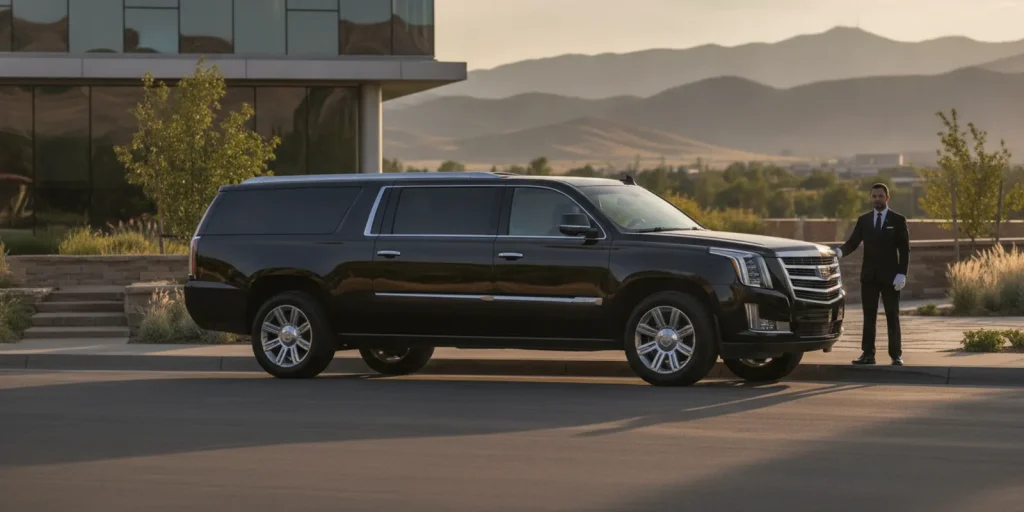
Planning Denver to Centennial car service is easier when you treat it as a trip between specific addresses, not just two city names. Whether you are traveling for a meeting, an event, or an airport connection, the pickup point, schedule, passenger count, and luggage all shape the right plan. Start with those details, then choose a service format and vehicle that fit.
Talk with Avi Limo about your trip.
What should you confirm for Denver to Centennial car service?
Before comparing vehicles or asking for a quote, write down the trip in practical terms. “Denver to Centennial” may mean a hotel pickup downtown and a business address near a particular intersection, a residence in one city and a venue in the other, or several stops on the way. An exact itinerary helps the service provider understand the real assignment.
- Pickup address: Include the street address, building name, and the best entrance or loading area if you know it.
- Drop-off address: Confirm the destination entrance, not only the venue or company name. Large campuses and event properties can have more than one arrival point.
- Timing: Provide the requested pickup time and any time you must be at the destination. If arrival time matters more than a precise departure time, say so.
- Passenger count: Count every traveler, including children, and identify whether anyone needs extra time to get in or out.
- Bags and equipment: Describe suitcases, presentation materials, mobility aids, or other bulky items. Passenger capacity alone does not tell you how much luggage will fit comfortably.
- Stops and return: List any additional pickup, drop-off, waiting period, or planned return journey. Do not assume a return is included in a one-way request.
This information also makes it easier to compare responses on the same basis. The Avi Limo contact page is the place to share the addresses and trip details for a direct conversation. For a general overview of ride formats, review Avi Limo’s service options.
It can help to prepare one short itinerary that someone else could follow without asking what you meant. For example: “Pick up four travelers at the hotel lobby at 8:15 a.m.; drop us at the south visitor entrance; return pickup requested at 4:30 p.m.” Add the date and a contact person. If the building name is shared by multiple locations, include the street address or a map pin as well. This level of detail prevents a broad city label from being mistaken for a confirmed meeting point.
Also distinguish fixed details from preferences. The pickup address, event start, and passenger count may be firm, while a preferred vehicle or flexible return time may be open to discussion. Labeling those points helps the provider suggest an arrangement without losing sight of the non-negotiable parts of the trip.
How does the trip purpose change the plan?
The same cities can call for different service arrangements. A point-to-point business ride, an evening event, and an airport connection have different timing risks and may require different pickup instructions. Explain why you are traveling so the quote can reflect the itinerary rather than an assumed standard trip.
Business meetings and office visits
For a meeting, work backward from the time you want to arrive. Add time to locate the correct entrance, check in, or carry materials from the drop-off point. If a meeting may run late or the driver is expected to wait, ask how that waiting period should be arranged and included in the quote. For a multi-stop workday, send the full sequence of addresses rather than describing it as a simple Denver-to-Centennial transfer.
Give the coordinator a reachable contact number for the day of travel and identify who will meet the vehicle. If colleagues are joining at separate locations, list each pickup in order and confirm whether the group will travel together. A concise itinerary reduces last-minute clarification and helps everyone understand the timing.
For a workday with more than one appointment, write down the time you expect to leave each stop as well as the time you need to arrive. Distinguish scheduled meetings from tentative plans. If a client visit could run over, ask whether it makes more sense to arrange a direct ride for each leg or discuss a booking that accounts for waiting. Do not assume the same vehicle will be available between appointments unless that arrangement is confirmed.
Concerts, celebrations, and other events
Events bring a fixed start time, a likely busy arrival area, and sometimes an uncertain finish. Confirm the venue entrance and the place where the vehicle can legally wait or return for pickup. Ask whether the booking is a direct transfer, a scheduled pickup later, or an hourly arrangement. These are different service patterns; request the one that matches your plan instead of assuming the vehicle will remain available throughout the event.
For a group, choose one person to coordinate the pickup, keep the chauffeur’s contact details available, and make sure the whole party knows the meeting point. If the return time might change, discuss that before booking. A clear plan is more useful than a vague instruction to collect the group “after the event.” You can also review Avi Limo’s reservation information when preparing the details to confirm.
Make an event-day note with a backup way for the group to connect if people arrive separately or a venue entrance is busy. Keep the plan practical: specify the agreed pickup area and the person who will communicate any change. Avoid telling several travelers to choose a pickup spot independently. One point of coordination is easier for the group and for the chauffeur to follow.
Connections to or from the airport
A Centennial pickup or drop-off may be one part of a larger airport itinerary. State which airport is involved, the flight schedule if relevant, and whether the ride is before departure or after arrival. Include the airport terminal or other meeting instructions you already know, plus the address on the Centennial end. Do not assume that a ride described only by the two cities includes flight monitoring or a particular arrival procedure; ask what is included and confirm the pickup plan directly.
Leave a schedule buffer appropriate to your own flight, check-in, and meeting needs. A transfer quote cannot remove traffic or airport delays, so avoid planning an arrival with no margin when the next appointment is fixed. For airport-specific questions, consult the relevant DIA service information and confirm your own pickup and drop-off details when you request the ride.
For an airport leg, make clear whether the airport is the starting point or destination; these involve different pickup instructions. If someone else is traveling, share the name of the traveler, their reachable contact, and the confirmed meeting instructions with the person arranging the ride. Ask the provider what to do if the flight schedule changes, rather than assuming that a delay automatically changes the pickup time. Keep the airline itinerary and car-service plan together so the coordinator can refer to the same information.
How should you plan timing between Denver and Centennial?
Do not choose a pickup time using a city-to-city distance estimate alone. The exact starting and ending addresses, time of day, day of week, road conditions, and any stop can all affect the schedule. If you need to arrive by a set time, tell the provider that deadline and ask what pickup time they recommend for the itinerary. Allow a buffer rather than setting the car to arrive at the last possible minute.
Think about timing in three parts:
- Preparation and boarding: Give the group time to assemble, load luggage, and get into the vehicle. For several pickup points, include the time needed at each address.
- Travel and arrival: Share the required arrival time, venue entrance, and any check-in or unloading needs. If you have an appointment, distinguish “arrive at the property” from “be ready inside the meeting.”
- Waiting or return: State whether you need only a drop-off, a later pickup, or transportation that remains available. Confirm how changes to the return time are handled.
Weather and road conditions can change, particularly when winter travel is part of a broader Colorado itinerary. For this local corridor, the practical step is to confirm the day’s route and schedule with the service provider and keep some flexibility if your plans allow it. Denver’s published comprehensive plan describes a broad vision for a livable city; it is city-planning context rather than a route or traffic forecast. Read the Denver Comprehensive Plan overview.
A useful way to build a buffer is to start at the event or appointment time and work backward. First decide when you need to be inside and ready. Then allow time from the curb to the right entrance, plus time for the group to board at the start. Tell the provider both your desired arrival and the time you are considering for pickup. That gives the discussion a clear deadline rather than relying on a generic estimate for either city.
When you have multiple destinations, place them in chronological order and note how long you expect to spend at each. A stop to collect another passenger is not the same as a brief drop-off, and both can change the itinerary. If an event’s finish is uncertain, make a return plan before leaving rather than trying to settle the details once the group is ready to go.
Which vehicle may fit your group and luggage?
Select a vehicle using both passenger count and the space your belongings require. The capacities below are verified local vehicle figures; they are not a promise that a particular vehicle is available for every date or booking. Confirm the best fit and availability when you request a quote. For more vehicle information, browse the Avi Limo vehicle page.
| Vehicle type | Verified passenger capacity | Planning considerations |
|---|---|---|
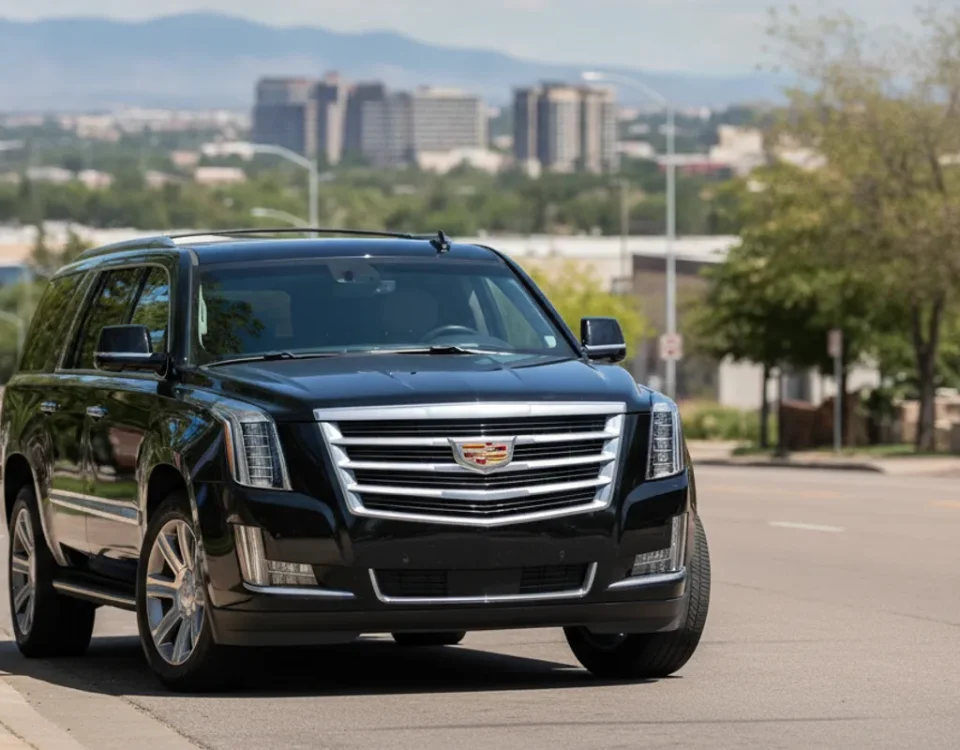
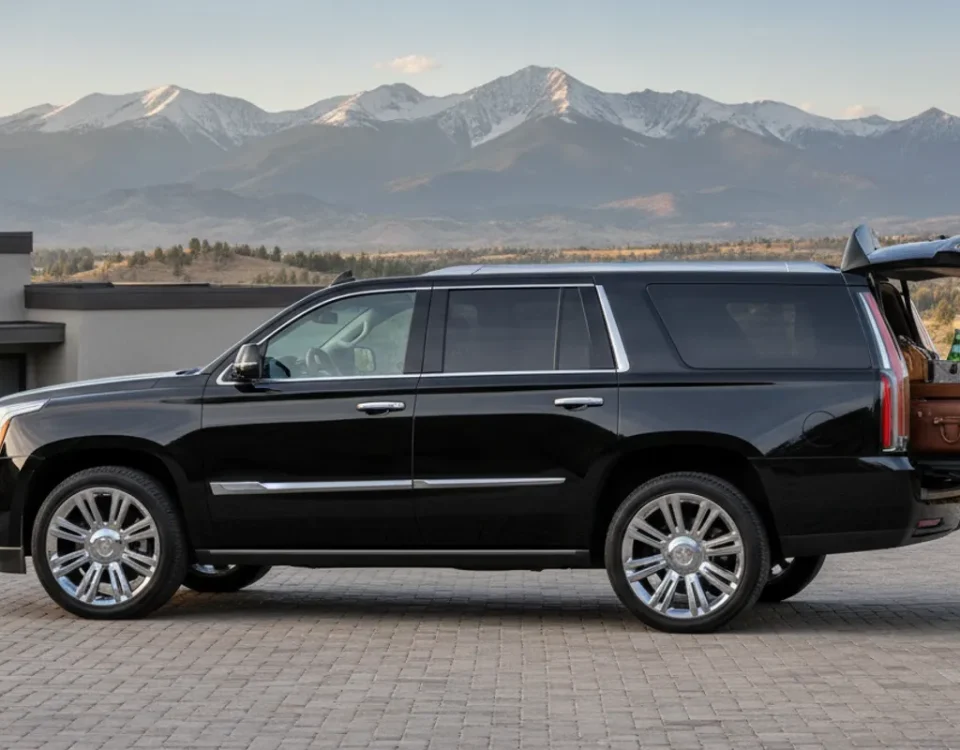
| Cadillac Escalade ESV | 6 | Consider it for a smaller group; describe luggage and any equipment so space can be checked. |
| Chrysler 300 Stretch | 10 | Useful to discuss for a group that wants a stretch-limousine experience; confirm the group’s bags and fit. |
| Ford Transit | 11 | May suit a larger group; explain luggage volume and whether everyone travels together. |
| H2 Hummer stretch limousine | 18–24 | Capacity varies by vehicle; confirm the specific vehicle, passenger count, and belongings. |
These figures help narrow the conversation, but they do not replace a fit check. A group of six with several large suitcases may need a different arrangement from six travelers carrying only small bags. Likewise, a vehicle’s stated passenger capacity does not guarantee that all passengers and luggage can be accommodated in the configuration you have in mind. Give an honest count and list unusually large items.

If the group has different needs, such as separate arrival times or bulky work equipment, ask whether a single vehicle remains practical. Compare the options shown on the Cadillac Escalade ESV details page and the Ford Transit executive van page, then have the provider confirm which vehicle is appropriate for the actual trip. Do not book based on a model name alone.
For a quick fit check, send a list rather than saying only “we have a few bags.” A helpful example is: five adults, two large checked suitcases, three carry-ons, and one presentation case. If any bag must stay within reach or a traveler needs extra boarding space, mention that too. The purpose is not to guess the interior layout; it is to give the provider enough information to recommend a suitable configuration and verify availability.
For a celebration or work outing, count the full group before choosing a vehicle. If some travelers will join later or leave earlier, explain those differences. A vehicle sized for the maximum headcount may not be the only practical question: the booking plan should also account for the number of stops and whether everyone is traveling together for the full trip.
What should a Denver to Centennial car service quote include?
A useful quote should describe the trip you asked for. Before accepting, check that it reflects the correct addresses, service format, passenger count, and requested times. If any detail changes, ask whether the price or vehicle arrangement changes as well. Avi Limo’s rates and service requirements should be confirmed for your itinerary; do not rely on a price from an unrelated page or an old estimate when trip details differ.
Use this checklist when reviewing the response:
- Is the quote for one-way transportation, a round trip, a sequence of stops, or a booking with waiting time?
- Are the pickup and destination addresses both correct, including venue or airport access details?
- Is the requested passenger count within the capacity of the proposed vehicle, with space considered for luggage?
- Does the quoted service include the timing arrangement you described, including any return pickup?
- Are the booking terms, payment expectations, and change or cancellation policies clear?
- Do you know whom to contact if a flight, meeting, event, or pickup time changes?
Service minimums and price depend on the selected service and confirmed trip details. Ask about any minimum booking period, included time, additional stops, and charges that could apply before you commit. You can use the rates page as a reference, but confirm current details directly if the information appears different from your quote. The limo quote guide also offers useful questions to organize before contacting the company.
Compare proposals on the same scope. One response might describe only the initial transfer, while another might include a later return, multiple pickups, or time when the vehicle remains available. These are not equivalent arrangements. If something is not spelled out, ask a direct question and request a revised summary that reflects the answer. That gives you a clearer basis for deciding whether each option matches the trip.
Before confirming, check names, date, times, addresses, passenger total, vehicle type, and the requested service format together. If a colleague or family member is the trip coordinator, forward the final confirmation to the travelers and identify one person to report changes. This simple review catches common mismatches, such as an outdated pickup address or a one-way ride being understood as a round trip.
How can you make the pickup straightforward?
After the trip is booked, share a short arrival note with everyone traveling. It should include the pickup time, exact address, meeting point, contact person, and what to do if someone is delayed. For an office campus, hotel, or event property, specify the entrance or loading area if the venue has one. A pin or written directions can help distinguish an entrance from a general street address.
Keep the itinerary consistent across your group. If a coordinator is booking for colleagues or guests, send one current version rather than letting several people circulate different times. Let the service provider know promptly about changes to the passenger count, luggage, stops, or return plan. These details can affect vehicle suitability and scheduling.
For a return trip, identify the pickup location before the event or meeting begins. If you are not sure when it will finish, discuss the options for a flexible return in advance. Do not count on an unconfirmed vehicle waiting at the curb. A specific location and an agreed way to communicate make it easier for the group to reunite with the chauffeur.
In the final day-before check, compare the confirmation against your current calendar and travel documents. Verify the date, local pickup time, destination entrance, and names of the travelers. If the schedule has shifted, send the updated itinerary to the provider and make sure every passenger has the same version. Avoid relying on an old group message when a newer confirmation exists.
For airport-linked or event trips, agree on who will communicate any change. One coordinator can pass along a delayed flight, revised meeting time, or new passenger count, then tell the rest of the group what changed. This reduces duplicate messages and keeps the driver-facing instructions aligned with the current plan.
Share your itinerary and confirm the right arrangement.
Frequently Asked Questions
Is Denver to Centennial car service a one-way or hourly booking?
It depends on your itinerary. A direct transfer, a return ride later, multiple stops, and service that waits during an appointment are different arrangements. Describe what you need and ask the provider to quote the correct format. Confirm whether the vehicle remains available between legs rather than assuming it does.
How early should I schedule a pickup?
Choose timing around your required arrival, exact addresses, and any time needed for boarding or stops. Share a firm arrival deadline with the provider and ask for a pickup recommendation. Leave a buffer for conditions that can change and confirm timing again if your itinerary or travel date changes.
Can one vehicle carry passengers and all of our luggage?
That depends on the vehicle, passenger count, and size and quantity of the bags. Passenger capacity alone does not establish luggage capacity. Tell the provider how many people are traveling and describe large suitcases or equipment before confirming a vehicle.
Can I add a stop between Denver and Centennial?
Include every requested stop when you ask for a quote. An extra pickup or drop-off changes the itinerary and may affect timing or the service arrangement. Confirm the revised schedule and quote before the trip rather than adding a stop without notice on travel day.
What information helps me get an accurate quote?
Provide the travel date, pickup and drop-off addresses, desired times, number of passengers, luggage details, and whether you need a one-way ride, return, stops, or waiting time. If the trip is for an airport or event, include the relevant flight or venue information and explain any deadline.
Ready to plan your Denver and Centennial trip?
Once you have the addresses, passenger count, luggage details, and timing, send them together so the proposed vehicle and service format can be matched to the actual trip.
Share your itinerary and request trip details.
A clear plan helps you compare the right options and gives your group a more organized start to the ride.