Call us: 303-455-4455

Before you reserve a limousine, ask more than whether a vehicle is available. The right Denver limo insurance questions help you understand who is providing the ride, what documentation you can review, how the chauffeur and vehicle are prepared, and what happens if plans change or a problem occurs. Use this guide to compare providers calmly and get important answers in writing.
Discuss your trip with Avi Limo.
Why ask Denver limo insurance questions before booking?
A limousine reservation is a transportation arrangement, not simply a vehicle rental. A professional company supplies a chauffeur and coordinates a trip under its service policies. Asking clear questions helps you understand the provider’s responsibilities and gives you a chance to spot gaps before you pay a deposit or make event plans around the ride.
Insurance and safety are related, but they are not the same. Insurance concerns financial protection under the terms of a policy. Safety also depends on lawful operation, trained chauffeurs, vehicle condition, trip planning, and how the company responds to changing conditions. A reassuring answer in one area does not automatically answer questions in the other.
Start with direct, practical questions. Who is the transportation provider? Is the company properly licensed for the service and location? Can it explain what insurance applies to the booked vehicle and trip? Who will drive, and what checks are performed? How are mechanical concerns or emergencies handled? Ask for specifics, not just a general promise that everything is covered.
Give yourself time to review answers before the date of service, especially for a wedding, airport trip, corporate itinerary, or mountain journey. If a provider cannot answer immediately, ask when and how it will follow up. A professional response should be clear, courteous, and consistent with the written agreement.
What licensing and operating details should you confirm?
Ask the company to identify the business that will provide the ride and confirm that it holds the licenses or operating authority required for its service. Get the provider’s legal or operating name if it differs from the name used in marketing. This matters when you are arranging transportation through a booking site, event planner, or another intermediary: you should know which company is actually responsible for sending the chauffeur and vehicle.
In Colorado, customers can consult the Colorado Public Utilities Commission for current transportation-regulation information. Use the agency’s official resources to understand what applies to your situation, and ask the provider to explain its own status. Do not rely on a screenshot, a logo, or a verbal assurance in place of a direct answer to your question.
Ask whether the provider expects to use another company or subcontractor for any part of the trip. If so, request the name of the actual carrier and ask whether its licensing and insurance information can be reviewed too. Confirm that the company answering your questions is the one named in the reservation terms, or ask how the parties’ responsibilities are divided.
Avi Limo identifies itself as a Colorado Public Utilities Commission-licensed, U.S. Department of Transportation-certified, and insured transportation provider. You can ask Avi Limo to clarify which operating details and documentation apply to your particular reservation. For an overview of its services, see Avi Limo’s Denver transportation services and its company information.
Which insurance questions deserve a direct answer?
Ask the provider what insurance applies to the chauffeur-driven service you are booking, and whether the coverage applies to the vehicle and trip described in your reservation. If documentation is available, ask how you may review it and whether the policy is current for the date of travel. You do not need to guess at policy language: ask the company to explain unfamiliar terms or direct you to the appropriate contact.
- Who is the named transportation provider? Make sure the answer matches the company listed on the quote or reservation.
- What policy or proof of coverage can you provide? Ask what document is available, who issued it, and whether it is current.
- Does the information relate to the vehicle and service I am booking? Ask the provider to explain how the documentation applies to the trip rather than assuming a general certificate covers every arrangement.
- Are there other companies involved? If another carrier, broker, or subcontractor will provide transportation, ask for that company’s identity and relevant documentation.
- What happens if there is an incident? Ask whom to contact, how the event is reported, and what immediate steps the company expects passengers to take.
A certificate or summary can be useful, but it may not show every term, exclusion, or condition of a policy. Avoid treating a document as a promise of payment for every possible loss. If your organization has specific insurance requirements, send them to the provider before booking and have your own risk, legal, or insurance contact review the response. If you need a clear explanation of a particular policy clause, ask the insurer or a qualified insurance professional.
Also ask whether passengers need to take any action if an incident occurs, and whether the company has a written process for reporting concerns. These are reasonable planning questions. They are not a substitute for reading the booking terms, understanding any personal coverage that may apply, or seeking professional advice about a specific claim.

Which Denver limo insurance questions help you compare answers?
Use the same questions with each provider so that you compare like with like. A polished sales conversation is not enough; ask for practical details you can verify. This table is a starting point for your calls or emails.
| Topic | Question to ask | Useful response to look for | Follow-up if unclear |
|---|---|---|---|
| Provider identity | Which company will provide and operate my ride? | A clear business name that matches the written reservation, with any other carrier identified. | Who is responsible for dispatch, the chauffeur, and service changes? |
| Licensing | What operating licenses or authority apply to this service? | A direct answer and a way to verify relevant information through an official source. | Can you identify the agency or public resource where I can confirm it? |
| Insurance | What proof of coverage can I review for this booking? | Current documentation and a plain-language explanation of what it relates to. | Does it apply to this carrier, vehicle, and chauffeur-driven service? |
| Chauffeur | How are chauffeurs qualified and prepared? | A clear explanation of licensing, screening, and preparation relevant to the role. | Who should I contact if the assigned chauffeur changes? |
| Vehicle condition | How do you check vehicles before service? | A description of maintenance and pre-trip checks, plus a process for addressing a concern. | What happens if the scheduled vehicle is not available or needs attention? |
| Emergency plan | What should passengers do if there is an incident or breakdown? | A contact and response process that is understandable before travel day. | Who is reachable during the trip, and how will a replacement plan be handled? |
| Reservation terms | Where are the trip details and policies documented? | Written confirmation of vehicle type, timing, pickup details, and applicable terms. | How are changes, cancellations, and additional charges handled? |
What chauffeur standards should you ask about?
Ask how the company selects, licenses, and prepares chauffeurs. A good answer should explain the provider’s process without making vague claims about being “the safest” or guaranteeing that nothing can go wrong. You may want to know how the company checks qualifications, confirms that a chauffeur is authorized for the work, and communicates trip details before departure.
Then ask about the realities of your itinerary. A Denver-area trip may involve tight event timing, passenger coordination, airport arrangements, or travel beyond the metro area. Ask how the chauffeur receives the pickup and destination information, who can be contacted if the schedule shifts, and what the company expects passengers to do if they cannot locate the vehicle.
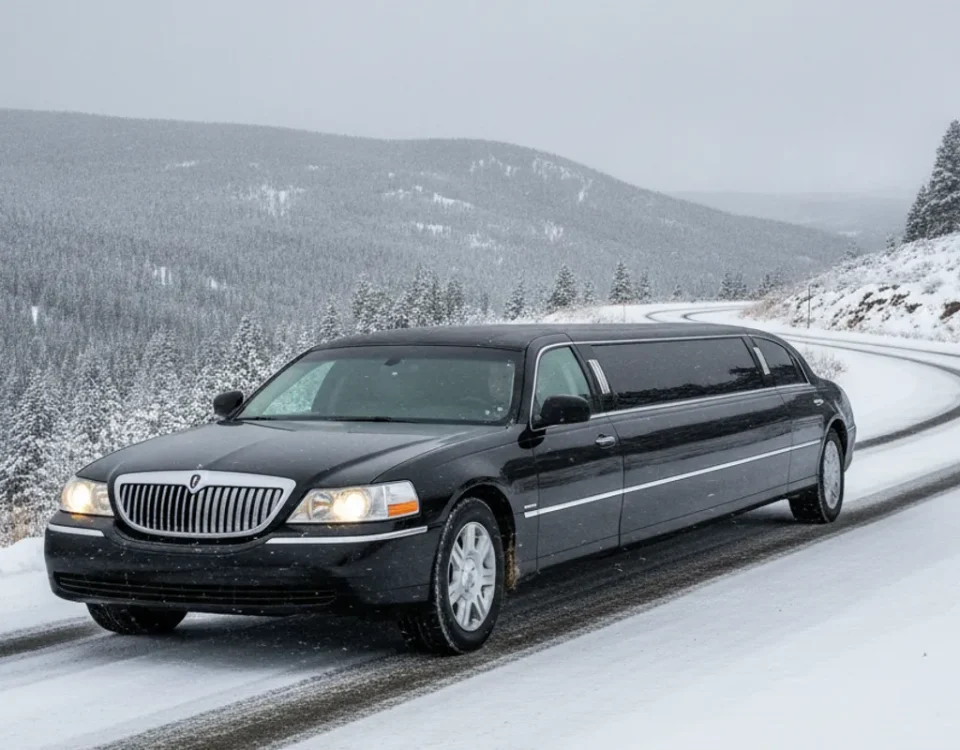
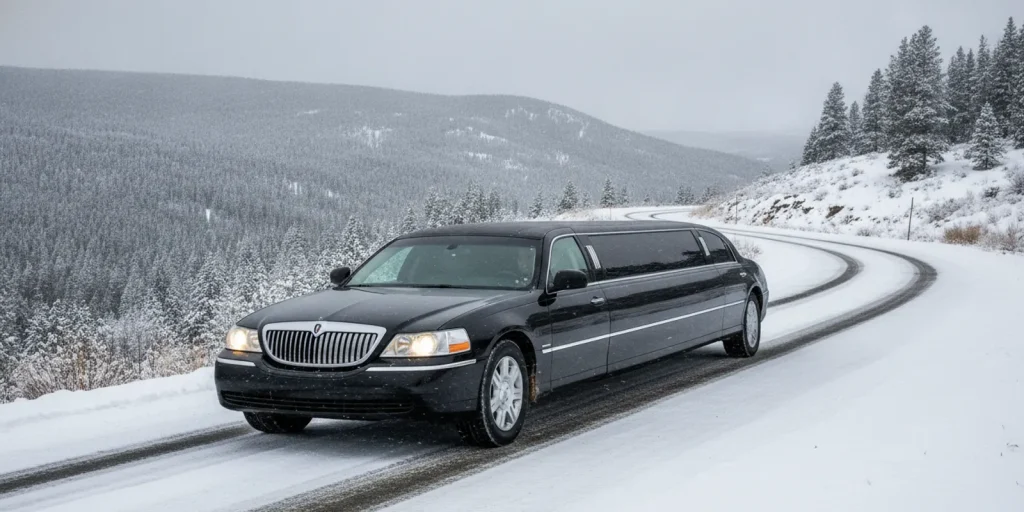
For mountain or winter travel, ask how the provider evaluates the route and conditions on the travel date, and how it communicates a delay or route change. Do not assume that a vehicle description alone answers questions about a particular road, forecast, or travel restriction. A provider should be able to tell you how it handles changing conditions and whether your proposed itinerary is feasible.
Avi Limo describes its chauffeurs as licensed and insured, and its company information describes driver training and mountain and weather preparation. If those details are important to your trip, ask for an explanation of the standards that apply to the service you are considering. For a mountain-bound itinerary, include the destination, timing, passengers, and luggage in your request for a limo quote.
What vehicle-condition and passenger-fit questions matter?
Ask how vehicles are maintained and checked before a trip. You can ask who is responsible for routine maintenance, how a reported mechanical concern is handled, and what happens if a vehicle is not fit for service. The useful point is to understand the process, not to assume that a clean exterior proves a vehicle has been inspected.
Confirm the specific vehicle type in writing, especially if you are booking for a group or need room for luggage. Passenger capacity is not the same as comfortable usable space: luggage, mobility needs, child seats, and the layout of the vehicle can affect what works for your party. Share those details before the provider recommends a vehicle.
Avi Limo lists several vehicle options, including a Cadillac Escalade ESV for up to six passengers, a Chrysler 300 Stretch for up to ten, a Ford Transit for up to eleven, and H2 Hummer stretch limousines for 18 to 24 passengers. Confirm the current vehicle and capacity for your exact booking rather than relying only on a general fleet description. You can review Avi Limo’s vehicle options and the Cadillac Escalade ESV information as you plan.
Ask how a substitution is handled if the planned vehicle becomes unavailable. Find out whether the company will contact you before changing the vehicle, what alternatives it may offer, and whether you can decline an option that does not meet your needs. Have the agreed vehicle type and any important requirements included in the written reservation.
How should your itinerary shape the safety discussion?
The questions are more useful when they reflect the trip you are actually planning. For an event, share the venue, pickup point, expected end time, and how many people will travel together. Ask who will coordinate updates if the event schedule changes, how the group should find the vehicle, and what pickup instructions will be sent. Agree on a clear meeting point rather than assuming every passenger will know where to go when a venue is busy.
For an airport itinerary, provide the relevant flight and pickup details and ask how changes to your plan should be communicated. Confirm who in your party will be the main contact and how the provider will reach that person. Do not assume that airport procedures, waiting time, or flight monitoring are included unless the company confirms them for your reservation. The written confirmation should match the arrangement you discussed.
For a corporate or group booking, decide who has authority to approve changes and who will receive day-of-service updates. Give the provider the right passenger count, luggage needs, accessibility considerations, and any stops that affect the route. If someone else in your organization is paying, make sure the trip coordinator and payer understand the same terms and contact process.
These details do not replace licensing or insurance checks. They help you assess whether the provider understands the service you need and has explained how coordination will work. If important arrangements remain open, ask for a written confirmation before treating the ride as finalized.
What should you ask about emergencies and trip changes?
Before you travel, know how to reach the provider during the service window. Ask for the appropriate dispatch or customer-service contact and clarify whether it is monitored while your trip is underway. Find out what to do if a pickup is delayed, the itinerary changes, a passenger becomes ill, or the vehicle develops a problem.
For an incident, ask what the chauffeur and passengers should do first, when emergency services should be contacted, and how the company wants the event reported. In an immediate emergency, contact local emergency services. A transportation company’s own reporting process should not delay getting urgent help.
Ask whether the company has a backup plan if a vehicle or chauffeur cannot complete the trip. The answer may depend on location, timing, and availability, so it is better to discuss the process than expect a guaranteed replacement. If you have a fixed event start time or a long-distance itinerary, explain that when you request the quote.
Read the booking terms for changes, cancellation deadlines, deposits, and additional charges. Those details are separate from insurance, but they affect your practical options if plans shift. Avi Limo provides reservation information online; review the reservation details and policies and check rates information for the service you are considering. Ask the company to confirm anything that is unclear or specific to your itinerary.
How can you verify details before you pay?
Use a short, repeatable check before submitting payment. Keep the answers with your quote or reservation confirmation so the person coordinating the trip can refer to them later.
- Identify the provider. Record the company name responsible for the ride and ask whether any other carrier will be involved.
- Ask about operating status. Request the provider’s explanation of applicable licensing or authority, then use the relevant official source to verify what you can.
- Request insurance information. Ask what current documentation is available and how it relates to the provider, vehicle, and service.
- Confirm the planned service. Put the vehicle type, passenger count, pickup and destination, date, timing, and any luggage or accessibility needs in writing.
- Understand the safety process. Ask how chauffeurs and vehicles are prepared and what happens if a concern arises before or during the trip.
- Save contact and policy details. Keep the reservation, payment terms, and day-of-service contact where your group coordinator can access them.
- Follow up on open questions. Do not treat an unanswered insurance or service question as confirmed. Ask for clarification before you commit.
For an additional overview of how to assess rental options and plan a reservation, read Avi Limo’s limo rentals guide. It can help you frame the trip details you will want to discuss, while this article focuses on insurance and safety questions.
Ask Avi Limo about your trip and documentation.
Frequently asked questions
Should I ask for a certificate of insurance before booking?
You can ask what current proof of coverage the provider can share and how it applies to your reservation. Ask the company to explain the document and its limits; a certificate or summary may not show every policy condition. If your organization has specific requirements, send them to the provider and have your insurance contact review the response.
Does a provider’s license prove that every safety concern is resolved?
No. Licensing or operating status is one part of your review. You should also ask about insurance, chauffeur preparation, vehicle checks, emergency communication, and the written terms for your trip. Confirm details with the appropriate official source when you need to understand a particular requirement.
What if a different vehicle or company is sent?
Ask in advance how substitutions are handled and whether another carrier may provide the ride. Request the provider’s identity and relevant information for any company that will perform the service. Have the agreed vehicle or any essential requirements recorded in writing, and contact the booking company promptly if the confirmed details change.
What should I do if I cannot get a clear answer?
Ask the provider to clarify the answer in writing before paying or finalizing arrangements. For policy language, contact the insurer or a qualified insurance professional; for current regulatory information, use the appropriate official agency resource. If an important question remains unanswered, compare another provider rather than making assumptions.
Make your decision with the details in writing
A careful booking starts with clear answers: which company is responsible, what coverage information is available, how chauffeurs and vehicles are prepared, and how the provider responds when plans or conditions change. Compare those answers alongside the written reservation terms and your group’s needs.
Confirm your Denver trip details with Avi Limo.
When you are ready to discuss a Denver-area trip, contact Avi Limo with your itinerary and questions so the service details can be confirmed before travel day.