Call us: 303-455-4455
Denver Corporate Roadshow Transportation That Keeps Every Meeting on Track
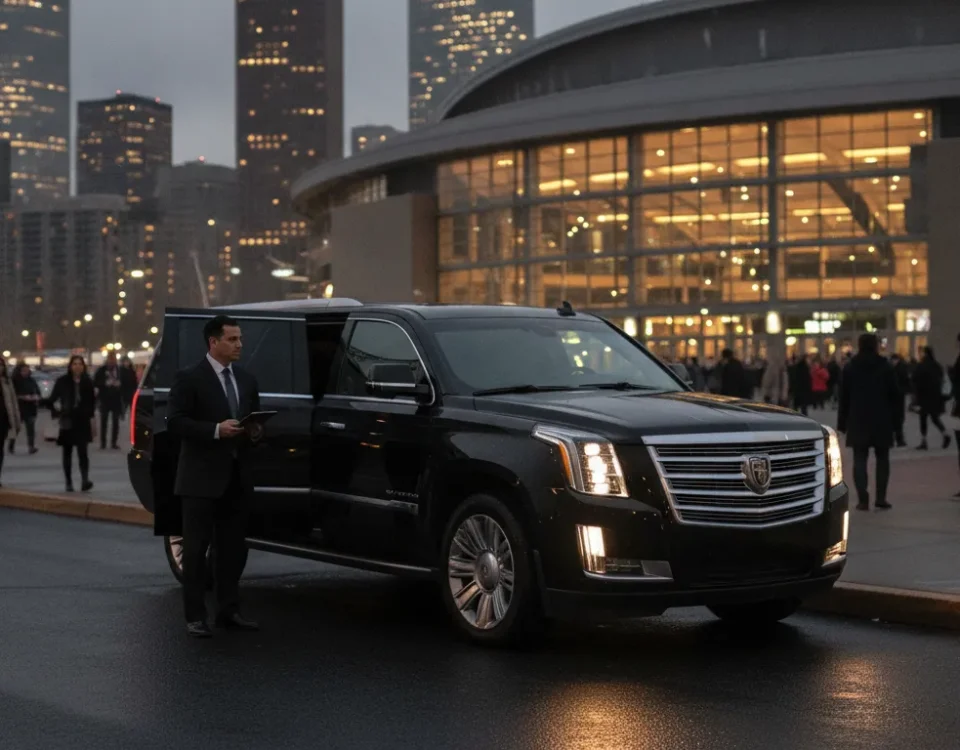
Denver corporate roadshow transportation gives executives one coordinated plan for airport arrivals, hotel transfers, office meetings, and the return trip. A dedicated chauffeur and a carefully timed itinerary help the team move through a demanding day without arranging a new ride at every stop. With the transportation details settled in advance, travelers can direct their attention to presentations, calls, and decisions.
Reserve your Denver corporate roadshow transportation.
A roadshow is not an ordinary point-to-point trip. It may connect Denver International Airport, a downtown hotel, several offices, a business meal, and an evening departure. Each move affects the next one. An early arrival can create useful preparation time, while a small delay can compress every later meeting. The right plan treats the day as one connected itinerary rather than a collection of unrelated rides.
Avi Limo provides pre-arranged transportation for corporate travelers in Denver. By sharing the full schedule before service begins, an organizer can align pickup locations, travel windows, passenger needs, and communication procedures. This guide explains how to build that plan, choose an appropriate vehicle, protect the schedule, and keep executives productive between appointments.
Why Denver Corporate Roadshow Transportation Needs One Plan
A single transportation plan connects every roadshow stop, assigns one point of contact, and gives the chauffeur enough context to respond when a meeting or flight changes.
Booking each transfer separately creates avoidable gaps. A new driver may not know the next destination, where the group prefers to be collected, or which traveler is leading the schedule. The team may also need to repeat passenger counts, luggage requirements, and access instructions throughout the day. A coordinated Denver corporate limousine service plan puts those details in one place before the first pickup.
The full itinerary should show every fixed commitment and every flexible stop. Fixed points include flight arrival times, meeting starts, presentation times, and departure deadlines. Flexible points may include coffee breaks, meals, hotel stops, or optional appointments. Separating the two helps the chauffeur and lead contact protect the commitments that cannot move while adjusting the rest of the day as needed.
Make one person responsible for updates
Choose one organizer to communicate with the transportation team. That person should have the current itinerary, traveler contact details, and authority to approve changes. If an appointment ends early, the lead can request an earlier pickup. If it runs long, the lead can communicate a revised departure time without several passengers sending conflicting messages.
Treat the vehicle as part of the itinerary
A dedicated vehicle can remain with the group between scheduled stops. That continuity reduces the time spent identifying a new car, explaining a destination, or waiting for another pickup. It also gives travelers a familiar place to leave permitted personal items and prepare for the next conversation. The result is a calmer transition from one obligation to another.
How to Build a Roadshow-Ready Itinerary
Build the itinerary from fixed deadlines first, then add realistic drive time, pickup instructions, and buffers around each transition.
Start with the commitments that carry the greatest consequences. A flight departure, investor presentation, or board meeting usually has less flexibility than a lunch stop. Work backward from each firm deadline to determine when the group should leave the prior location. Then compare the full sequence to identify routes that cross the same area more than once.
- List every flight, hotel, office, restaurant, and final destination with its full street address.
- Record meeting start and expected end times, including the time needed to enter or exit each building.
- Add a practical travel window between stops and allow more time when the route or weather may be less predictable.
- Identify the preferred pickup door, loading area, or terminal procedure for every location.
- Confirm the passenger count, luggage count, and vehicle requirements for each part of the day.
- Name the lead contact and distribute the final itinerary to everyone who needs it.
Include useful pickup details
A street address alone may not identify the best collection point. Large hotels can have several entrances. Office towers may require pickup from a designated loading area. Airport collection procedures differ from hotel and office pickups. Adding clear instructions helps the group find the vehicle quickly and prevents unnecessary circling.
Plan for changes without making the schedule vague
Flexibility works best when the original plan is precise. A chauffeur who knows the intended route can better assess the effect of a late meeting or added stop. Mark optional appointments clearly and keep the lead contact available. When a change occurs, communicate the new destination, required arrival time, and passenger count together.
Request a coordinated roadshow reservation.
Coordinate Airport, Hotel, and First-Meeting Transfers

Share flight information, passenger contacts, luggage needs, and the first firm deadline so the airport arrival fits smoothly into the rest of the roadshow.
Denver International Airport is often the first moving part of an executive visit. An organizer should provide the correct flight number, scheduled arrival time, traveler name, mobile number, and preferred collection method. Flight information helps the transportation team follow the arrival, but the traveler and lead contact should still communicate any last-minute change that affects pickup.
Decide before arrival whether the group will go directly to a meeting or stop at the hotel first. A direct transfer may save time, but a hotel stop can be useful when travelers need to leave luggage or prepare. If the hotel is part of the plan, include enough time for unloading, check-in, and the walk back to the vehicle. Do not treat the stop as an instant handoff.
Match luggage and passenger count to the vehicle
A vehicle that seats the group may not necessarily hold all of its luggage comfortably. Give the transportation provider an accurate count of passengers and bags before the day begins. If executives arrive on different flights, note which travelers and bags will be in the vehicle during each segment.
Protect the first appointment
The first meeting sets the tone for the roadshow. Build a buffer between the expected airport pickup and the scheduled appointment. If timing is especially tight, consider arriving the prior evening rather than depending on a same-day flight. The plan should favor a calm, prepared arrival over an itinerary that only works when every event happens at its earliest possible time.
Which Vehicle Fits an Executive Roadshow?
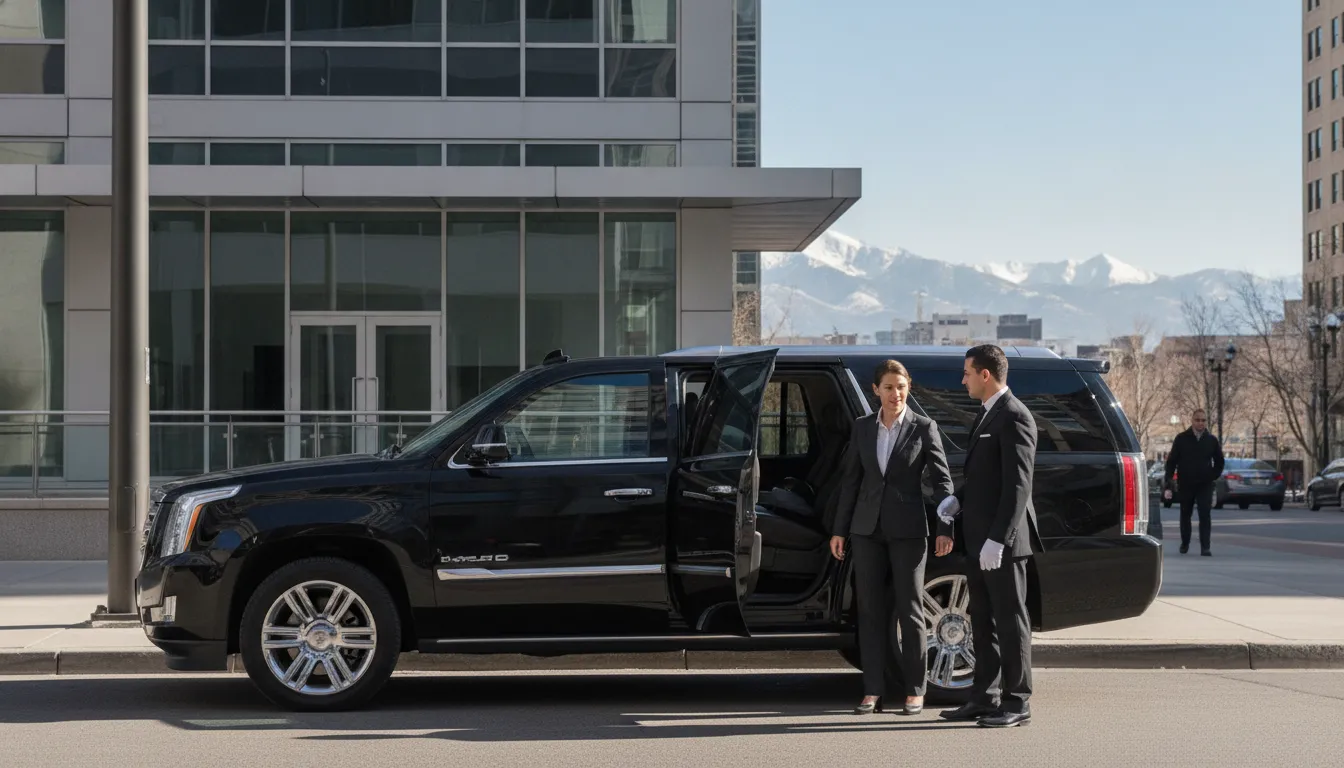
The right roadshow vehicle has enough passenger and luggage space, supports the team’s work style, and suits the complete route rather than only the first transfer.
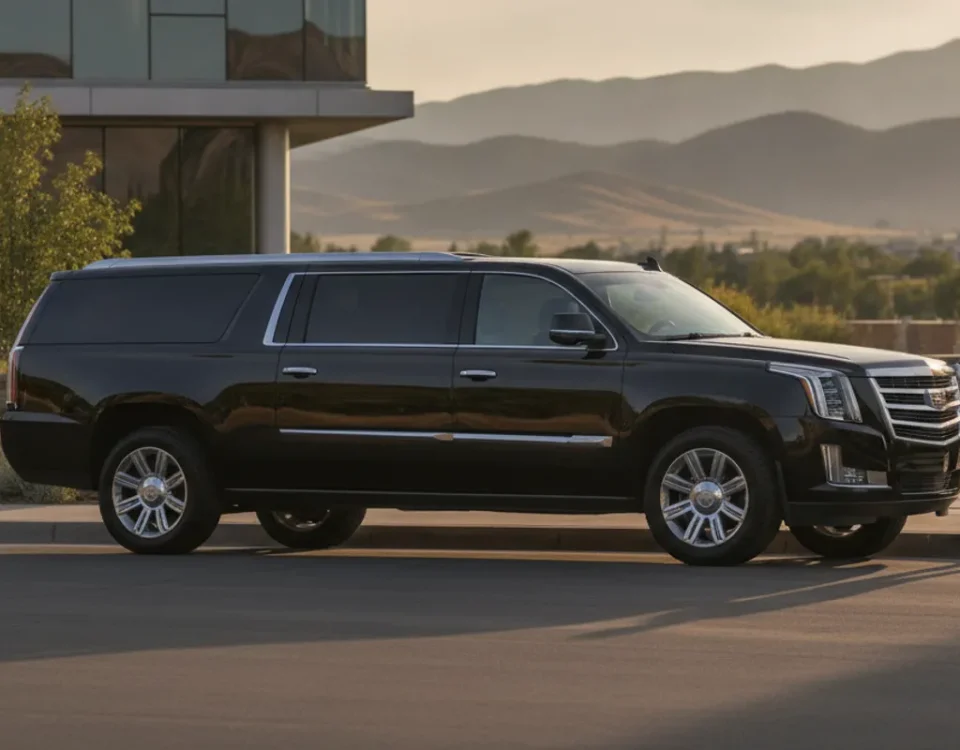
A sedan can be practical for one or two executives traveling with limited luggage. An executive SUV gives a small group additional room for bags and personal space. A larger group may need a van so everyone can travel together. For premium executive transport, an executive Sprinter van rental in Denver with a professional chauffeur keeps the team productive on the road. Review Avi Limo’s vehicle options and discuss the actual group requirements when making the reservation.
| Roadshow need | Vehicle consideration | Question to confirm |
|---|---|---|
| One or two executives | Efficient city travel and a quiet cabin | Will all luggage fit comfortably? |
| Small executive team | Additional passenger and bag space | Does the group want to stay together? |
| Larger delegation | Shared transportation with suitable access | Are all pickup locations able to accommodate it? |
| Long or varied route | Comfort for the entire operating day | Is the vehicle appropriate for every segment? |
Think beyond seat count
Vehicle selection should account for luggage, work materials, mobility needs, and the amount of time spent on the road. A group that fits tightly for a short airport transfer may not be comfortable during a full day of meetings. Tell the provider if travelers need extra room or have a specific access requirement so the choice can be reviewed before service.
Choose for the complete route
Roadshows may include downtown towers, Denver Tech Center offices, Greenwood Village, or destinations beyond central Denver. A route that includes Greenwood Village executive car service should be assessed as part of the complete day. The best choice is the vehicle that supports every scheduled leg without an unnecessary mid-day change.
Protect a Multi-Stop Schedule From Small Delays
Protect the schedule by adding buffers, ordering stops logically, confirming pickup points, and keeping the lead contact ready to make quick decisions.
A roadshow can lose time in small increments. A meeting ends ten minutes late, an elevator takes longer than expected, or the group exits through a different door. None of those events is severe alone, but together they can threaten a later deadline. The itinerary should account for the transition itself, not just the estimated drive.
Add buffers where they matter most
Do not apply the same buffer to every stop without considering the consequences. Allow more protection before a fixed presentation, airport departure, or appointment with strict access procedures. A flexible meal or optional stop may require less protection. The goal is not to make the day slow; it is to prevent one modest delay from affecting every later commitment.
Order stops with geography in mind
When appointment times permit, group nearby stops and avoid crossing the city repeatedly. Ask whether flexible meetings can be rearranged to create a cleaner route. Organizers planning both roadshows and large events can also review this guide to executive transport for conventions for related coordination considerations.
Confirm the next move before each meeting
Before entering a meeting, the lead contact should know the expected end time, collection point, next address, and required arrival time. If the meeting changes, update the chauffeur promptly. This simple habit keeps decisions current and reduces confusion when the group exits a busy building.
What to Confirm Before the Roadshow
Confirm the final itinerary, contacts, passengers, luggage, vehicle, pickup instructions, and change process before the first scheduled pickup.
A final review catches errors while they are still easy to correct. The organizer should compare flight numbers, dates, addresses, and meeting times against the latest source information. Share revisions as one updated itinerary rather than a series of disconnected messages, and clearly identify which version is final.
- Every pickup and drop-off address, including the preferred entrance or loading point
- Flight numbers, scheduled arrival times, and departure deadlines
- Meeting start times, expected end times, and building access requirements
- Traveler names, mobile numbers, passenger count, and luggage count
- The lead contact and the agreed process for schedule changes
- The selected vehicle and any specific traveler requirements
Send the plan to the right people
The transportation provider and lead contact need the complete itinerary. Travelers should receive the details relevant to their movements, including pickup instructions and the lead contact’s number. Avoid distributing sensitive business information that is not needed for transportation. A practical plan is detailed enough to execute without exposing unrelated material.
Review the return trip
The final transfer deserves the same care as the morning arrival. Verify the correct airport, airline, departure time, luggage needs, and pickup point. Work backward from the desired airport arrival rather than from the flight’s scheduled departure alone. If the final meeting runs long, the lead contact should know which optional activity can be shortened or removed.
Keep Executives Focused Between Appointments
A coordinated private vehicle gives executives a consistent, quiet transition between meetings so they can prepare, communicate, or rest while the chauffeur handles the route.
Travel time can be useful without becoming another formal meeting. Before the day, decide which segments are suitable for calls, presentation review, or private discussion. Keep confidential conversations appropriate to the setting and avoid assuming that every passenger wants to work during every transfer.
A clean, orderly cabin also supports a demanding itinerary. Travelers can help by taking essential items with them at each stop and keeping the area clear. If an item must remain in the vehicle, ask the provider first and never leave sensitive documents or valuables unattended without confirming the arrangement.
Use transitions deliberately
Short rides may be best used to confirm the next appointment and gather materials. Longer segments may allow deeper preparation or a quiet break. The lead can tell the group the approximate travel time and next deadline so each person can decide how to use the interval.
Reduce avoidable decision-making
Executives should not need to decide where to meet the car after every appointment. Put pickup instructions in the itinerary and confirm them before entering the building. With that detail settled, travelers can leave the meeting and move directly to the next stage of the plan.
Plan for Common Denver Roadshow Routes
A practical Denver roadshow route groups appointments by area, accounts for each building’s pickup conditions, and leaves enough flexibility to protect the day’s most important deadline.
Denver business travel can involve very different operating environments in one day. A downtown office may require curbside coordination near a busy entrance, while a suburban campus may have a large property with several buildings. An airport transfer has its own collection procedure and timing concerns. The itinerary should describe each stop precisely enough that the chauffeur and lead contact share the same expectation.
Downtown Denver appointments
For downtown meetings, confirm the exact tower, entrance, and pickup side of the street. Allow time for elevators, security desks, and the walk between a conference room and the vehicle. If several meetings are close together, decide whether the group should ride or walk between them based on timing, materials, weather, and passenger needs. The vehicle can then be staged for the next longer transfer instead of making an unnecessary short move.
Denver Tech Center and Greenwood Village stops
Office campuses south of central Denver can look straightforward on a map but still require careful address verification. Confirm the company name, building number, and preferred entrance. When the schedule includes multiple appointments in the same area, place them consecutively when possible. This reduces repeated travel and creates more useful preparation time between meetings.
Trips beyond the central business areas
If the roadshow reaches Boulder, a mountain destination, or another location outside the primary meeting area, discuss that segment while booking. Longer routes increase the importance of departure timing, weather awareness, and a realistic return plan. Do not insert a distant stop into a tightly packed city itinerary without reviewing its effect on every later appointment.
The transportation provider can help assess the practical flow after receiving the proposed schedule. Avi Limo should receive the complete route rather than only the first pickup and final destination. With the sequence visible, potential conflicts can be identified before the group is on the road.
Build a Communication Plan for the Service Day
A clear communication plan tells travelers who will send updates, what information each update must contain, and how the group will respond when timing changes.
The lead contact should keep messages brief and actionable. A useful update identifies the group, current location, revised pickup time, and next destination. For example, if a meeting ends early, the lead should state when the travelers will reach the agreed pickup point rather than simply saying that they are ready. If the next address changes, send the complete address and required arrival time together.
Set checkpoints without constant messaging
Too many updates can create confusion just as easily as too few. Agree on natural checkpoints, such as after an airport pickup, before leaving each meeting, and when any material change occurs. The organizer can confirm that the group is moving to plan without asking every traveler to send separate status messages.
Keep a backup copy of the itinerary
The lead contact should have the final itinerary available even if a calendar invitation or email cannot be opened. A concise copy with addresses, times, and key phone numbers is enough. Travelers should also know the lead contact’s number. This provides a simple backup if someone exits through the wrong door or becomes separated from the group.
Frequently Asked Questions
How do you handle multi-stop roadshow changes?
Corporate roadshows often face sudden plan shifts. Avi Limo manages changes within a pre-arranged booking by coordinating updates with the designated lead contact. Share a new meeting time or location as soon as possible so the chauffeur can assess the route and help keep later transitions on track.
Can you work while traveling between Denver meetings?
Yes. A private executive vehicle can provide a quiet setting for reviewing materials, making appropriate calls, or preparing for the next presentation while the chauffeur handles the route. The amount of usable work time depends on the length of each transfer and the needs of the passengers.
Are roadshow vehicles available for on-demand booking?
No. Avi Limo roadshow transportation is pre-arranged rather than on demand. Advance booking allows the itinerary, vehicle, passenger needs, and multi-stop schedule to be reviewed before the service day.
How does a driver refresh the cabin during a long day?
A chauffeur can check and tidy the passenger area between stops when the schedule allows. If a cabin refresh is important to your group, discuss the request while arranging the roadshow so it can be considered in the itinerary.
Reserve Denver Corporate Roadshow Transportation
Avi Limo can coordinate a pre-arranged Denver roadshow itinerary that connects the airport, hotel, meetings, and final transfer through one transportation plan.
Prepare the dates, passenger count, flight information, addresses, and meeting schedule before requesting service. The more complete the itinerary is at the start, the easier it is to identify timing concerns and select a suitable vehicle. For questions before reserving, call 303-455-4455.