Call us: 303-455-4455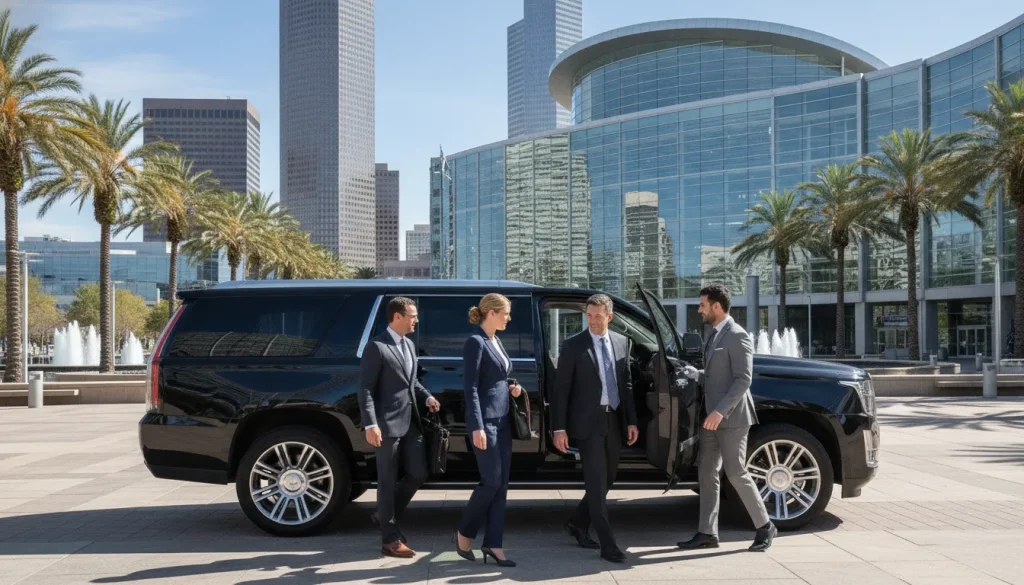
Denver Convention Center Transportation for Executive Groups
Effective Denver Convention Center transportation keeps executives focused on the meeting, not on finding a vehicle, coordinating separate arrivals, or navigating downtown pickup points. For a business group, the most reliable plan connects every part of the trip: arrivals at Denver International Airport, hotel transfers, convention sessions, off-site dinners, and the return to the airport.
Request coordinated transportation for your executive group.
The Colorado Convention Center is at 700 14th Street in downtown Denver. Its central location gives attendees several transportation options, but executive groups benefit from deciding in advance which trips can be handled individually and which require coordinated, door-to-door service.
What Is the Best Transportation Plan for an Executive Group?
For most executive groups, the best plan is a hybrid: arrange private chauffeured transportation for airport transfers, time-sensitive convention arrivals, client dinners, and departures; use walking or public transit only for optional trips where the schedule allows flexibility. This approach keeps essential movements controlled without over-planning every hour of the visit.
A strong itinerary should include:
- One manifest with passenger names, flight details, hotels, and mobile contacts
- A designated transportation coordinator on the group side
- Prearranged pickup instructions for Denver International Airport and the convention center
- Time buffers for baggage collection, traffic, and session overruns
- A vehicle plan matched to passenger count and luggage
- A clear contingency process for delayed flights and schedule changes
What Are the Best Denver Convention Center Transportation Options?
The right option depends on group size, schedule sensitivity, luggage, and whether attendees need to travel together. Here is how the main choices compare.
Private Chauffeured Transportation
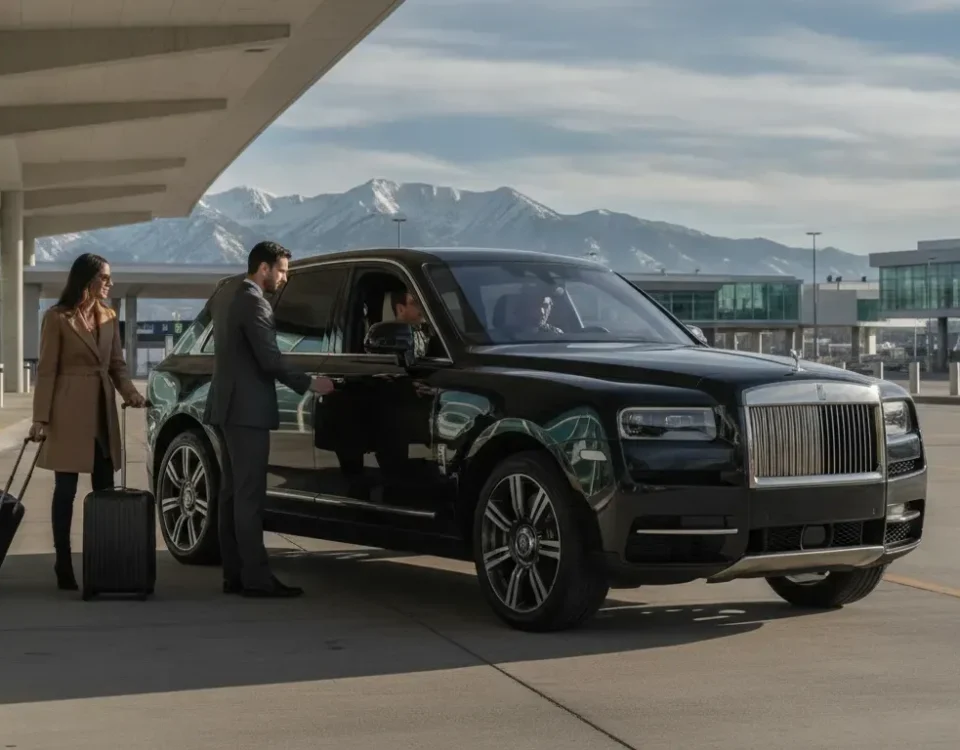
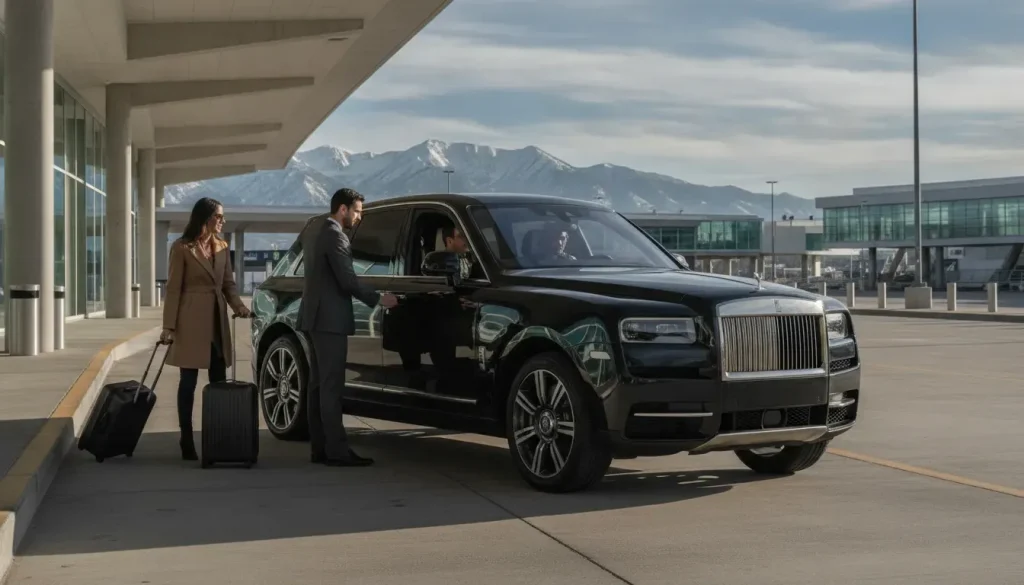
Private service is the most controlled option for executive arrivals, hosted clients, and groups moving on a shared schedule. A planned vehicle and pickup time reduce the uncertainty of requesting rides at the last minute. It also creates one point of coordination for airport arrivals, hotels, the convention center, and off-site events.
Avi Limo is an owner-operated, asset-based transportation company that owns and maintains its fleet. For planners, that means the trip is coordinated directly with the company providing the service rather than an unknown third party. Learn more about Avi Limo’s corporate limousine service for executive and business-event travel.
RTD Rail and Bus
Public transit can work well for attendees traveling independently and without a tightly timed group itinerary. The Theatre District/Convention Center light rail station is near the venue. Travelers arriving at Denver International Airport can also use rail to reach downtown, then complete the final portion of the trip to their hotel or the convention center.
Because service schedules and routes can change, confirm the current route before travel. Public transit is less suitable when executives must arrive together, carry significant luggage, or move directly to a client meeting.
Rideshare and Taxi
Rideshare and taxi service can be practical for individual attendees and flexible, low-stakes trips. The tradeoff is variability in wait times, vehicle size, driver familiarity, and pickup coordination. Splitting a group across multiple cars also makes it harder to ensure everyone reaches the same entrance at the same time.
Walking From Downtown Hotels
The convention center sits in a walkable part of downtown. Visit Denver reports that more than 13,000 hotel rooms are within walking distance of the facility. Walking can be efficient for attendees staying nearby, provided weather, mobility needs, business attire, and the day’s schedule make it appropriate.
Rental Cars and Parking
Driving may suit attendees who need to travel beyond downtown, but it adds parking, navigation, and vehicle-return responsibilities. The convention center has parking, yet a group arriving in separate rental cars can lose time regrouping. For an executive itinerary focused on downtown meetings, private service often removes more friction than a rental car solves.
How Should Executive Groups Plan Airport Arrivals From DEN?
Airport pickup is the first point where a group transportation plan is tested. Flights may arrive in different terminals or at different times, and baggage delays can quickly disrupt a shared schedule. Review this Denver airport to downtown transportation guide when comparing arrival options.
Choose Between Individual and Consolidated Transfers
Individual transfers are usually best when executives arrive hours apart, need privacy, or have different destinations. Consolidated transfers work when several attendees arrive within a manageable window and are traveling to the same hotel. Avoid making an early arrival wait excessively just to fill a larger vehicle.
Build a Complete Arrival Manifest
Send the transportation provider a clean, current manifest. At minimum, include each traveler’s full name, mobile number, flight number, scheduled arrival, hotel, luggage notes, and any mobility considerations. Identify the person authorized to approve itinerary changes.
Plan the Handoff Clearly
Before the travel day, every attendee should know where to go after landing, whom to contact, and what to do if a flight changes. If your group prefers a more guided arrival, review Avi Limo’s overview of Denver airport meet-and-greet service.
Coordinating Convention Center Drop-Offs and Pickups
A convention center is not a single-room destination. The Colorado Convention Center has 63 meeting rooms and extensive exhibit and ballroom space, so the best arrival point depends on the day’s agenda. A pickup described only as “the convention center” leaves too much room for confusion.
Specify the Exact Meeting Point
List the entrance, nearby cross street, hotel, or other agreed landmark in the itinerary. Confirm the same point with the chauffeur and passengers. If the event organizer provides transportation instructions, incorporate them into the final plan.
Use a Staged Departure
At the end of a large session, attendees may not exit at the same moment. Establish a short assembly window and a group contact who confirms when everyone is ready. For time-sensitive departures, ask attendees to meet before the session ends rather than after the vehicle arrives.
Separate VIP and General Group Movements When Needed
A keynote speaker, senior leader, or hosted client may have a different schedule from the rest of the group. Creating a separate transportation line for that traveler can prevent a single schedule change from disrupting everyone else.
A Sample Executive Convention Transportation Itinerary
The exact schedule will vary, but a written movement plan makes responsibilities and buffers visible before the group arrives.
| Trip | Recommended Plan | Planning Detail |
|---|---|---|
| DEN to downtown hotel | Private individual or consolidated transfer | Group travelers by arrival window and luggage volume |
| Hotel to morning convention session | Private group transfer or walk from nearby hotel | Set arrival time based on registration and security needs |
| Convention center to client dinner | Private chauffeured transfer | Use one confirmed meeting point and passenger count |
| Optional evening activities | Individual rideshare or prearranged vehicle | Choose based on whether the group must stay together |
| Hotel to DEN | Scheduled private transfer | Group by airline departure time, not simply by day |
Checklist for the Event or Travel Coordinator
Complete these steps before confirming Denver Convention Center transportation:
- Confirm the event schedule. Include registration, session start times, receptions, dinners, and departures.
- Collect traveler details. Record names, mobile numbers, flights, hotels, luggage, and special requirements.
- Group compatible trips. Combine travelers only when timing and destination make sense.
- Match vehicles to the real load. Passenger capacity alone does not account for luggage or presentation materials.
- Set exact pickup points. Avoid generic instructions such as “outside the venue.”
- Add practical buffers. Account for baggage, traffic, weather, and session overruns.
- Distribute one final itinerary. Send the same version to travelers, the provider, and the group coordinator.
- Confirm the change process. Make sure travelers know whom to contact if their flight or schedule changes.
Why Do Executive Groups Choose a Chauffeur Service?
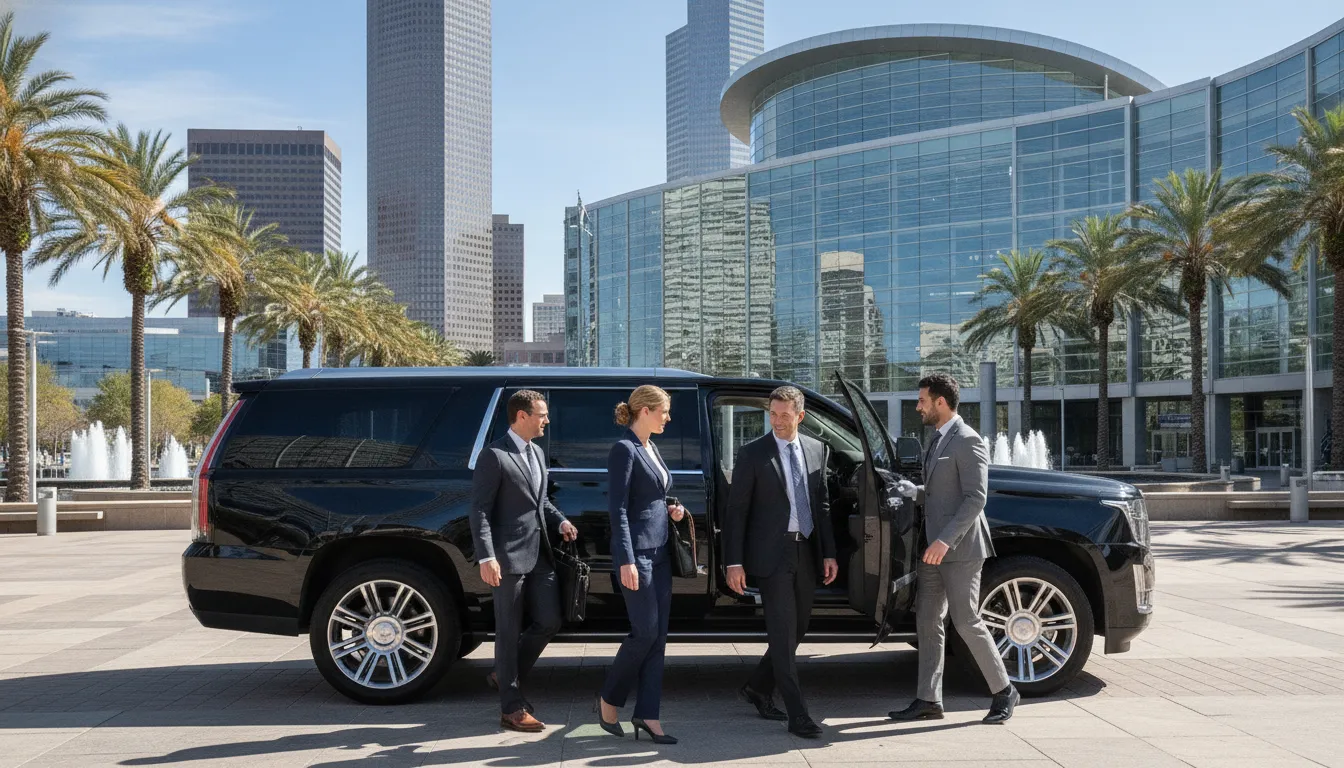
The value of chauffeured transportation is operational, not merely visual. It helps a group preserve time, stay together, and reduce the number of travel decisions attendees must make during an already full event schedule.
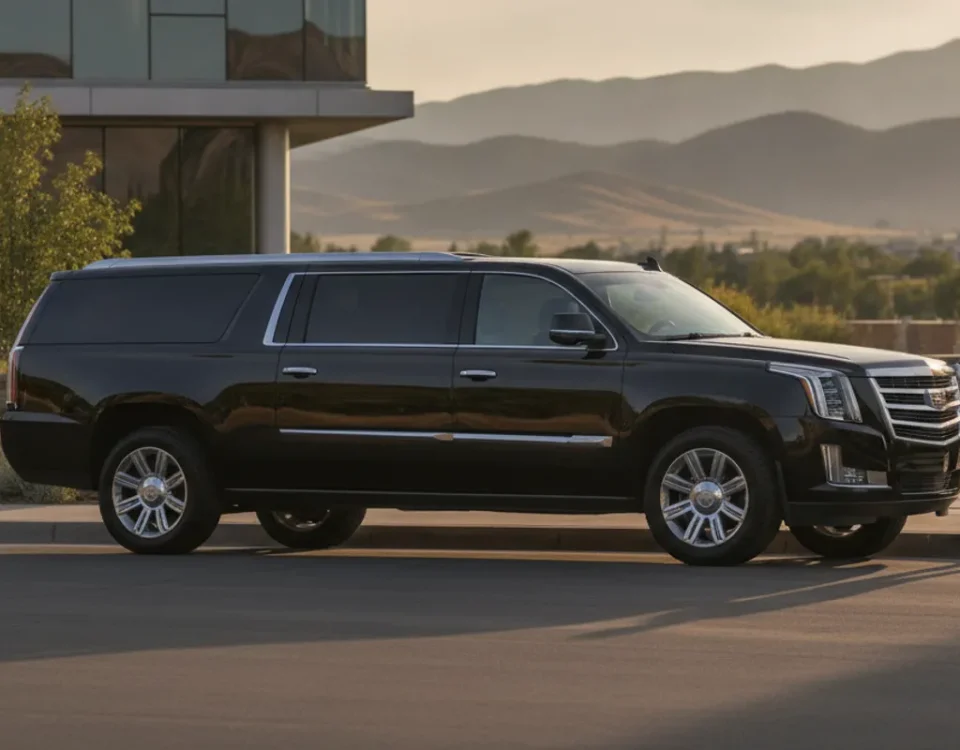
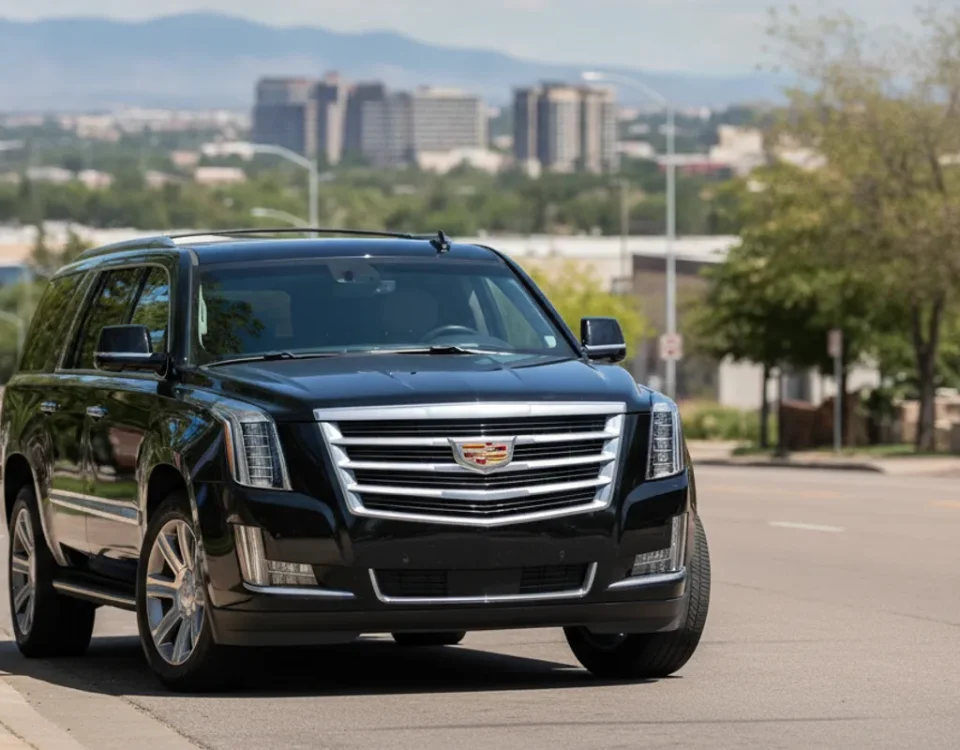
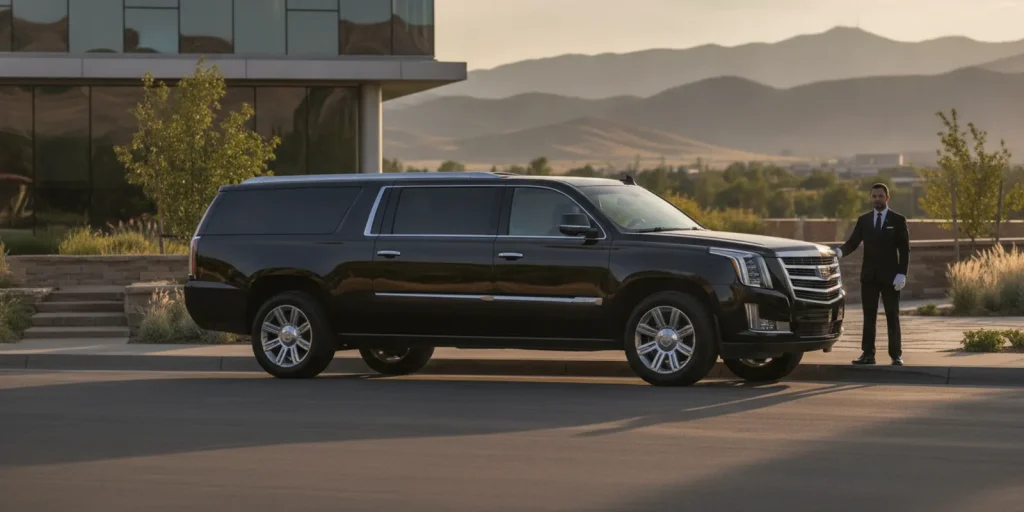
With Avi Limo, chauffeurs undergo vetting that includes background checks, drug screening, and specialized mountain and weather training. The company owns and operates its fleet and states that clients receive the vehicle shown on its website. These details matter when an organizer is accountable for the travel experience of executives or guests.
For additional planning context, see Avi Limo’s guide to corporate transportation for Denver business events.
Questions to Ask Before Booking Group Transportation
A polished vehicle is only one part of a dependable convention plan. The organizer should also understand who operates the service, how itinerary changes are handled, and what information the provider needs. Ask these questions while comparing options so expectations are clear before the travel day.
Who Owns and Operates the Vehicle?
Confirm whether you are speaking directly with the company that will provide the vehicle and chauffeur. Direct coordination makes it easier to discuss the exact vehicle, passenger capacity, luggage, pickup details, and service standards. Avi Limo owns, maintains, and operates its fleet, which gives planners a direct point of accountability.
How Are Delays and Schedule Changes Managed?
Convention schedules and airline operations can change. Ask how the provider monitors flight information, who should report a revised pickup time, and how quickly the itinerary can be updated. Give only one or two authorized group contacts permission to request changes. This prevents conflicting directions from reaching the chauffeur.
What Vehicle Fits Passengers and Luggage?
Do not select a vehicle using passenger capacity alone. Executive travelers may have checked bags, carry-ons, presentation cases, or event materials. Share the expected luggage count and ask the provider to confirm the appropriate setup. If the group is large, several smaller vehicles may create better flexibility than one vehicle serving every movement.
Common Planning Mistakes to Avoid
Leaving Pickup Instructions Too Vague
A venue name is not a meeting point. Specify an entrance or another agreed landmark, and provide a contact number for the group coordinator. Send those instructions to travelers before the event begins, when they have time to review them.
Building an Itinerary Without Buffers
A schedule that works only when every flight, session, and street is perfectly on time is not a useful schedule. Add realistic time for baggage collection, walking through the facility, passenger assembly, and downtown traffic. For a critical presentation or dinner, plan to arrive early rather than treating the stated start time as the transportation target.
Changing the Plan Through Multiple People
When several attendees contact the provider independently, duplicate or conflicting requests can follow. Assign one lead coordinator and one backup. Ask attendees to report changes to that internal contact, who can then provide the transportation team with a single updated instruction.
Frequently Asked Questions
What transportation options are available for the Colorado Convention Center?
Options include private chauffeured vehicles, RTD light rail and bus service, rideshare, taxis, walking from nearby downtown hotels, and rental cars. The best choice depends on group size, luggage, schedule, and whether attendees need to arrive together.
Is there a light rail station near the Colorado Convention Center?
Yes. The Theatre District/Convention Center station is near the venue. Check current RTD routes and schedules before traveling, particularly when an arrival time is tied to registration, a presentation, or a client meeting.
How do I get from Denver International Airport to the convention center?
Travelers can use a prearranged chauffeured transfer, public rail into downtown followed by a final connection, a taxi, or rideshare. Executive groups often prefer scheduled private transportation because it can connect the airport directly with the hotel or convention itinerary.
Are group shuttle services available for convention attendees?
Group transportation can be arranged based on passenger count, luggage, arrival windows, and itinerary. Ask providers to confirm the proposed vehicle, capacity, pickup plan, and contingency process before booking.
When should an executive group reserve transportation?
Reserve as soon as the event schedule and core travel details are reasonably stable. Major conventions create concentrated demand. Early planning also gives the organizer time to group arrivals, select appropriate vehicles, and distribute clear instructions.
Plan Your Denver Convention Transportation
A successful executive trip starts with a transportation plan that is specific, shared, and built around the agenda. Decide which movements must be controlled, document every pickup point, and give travelers one clear point of contact.
Ready to coordinate service for your group? Request an Avi Limo reservation with your event dates, passenger count, flight details, hotels, and convention schedule.