Call us: 303-455-4455
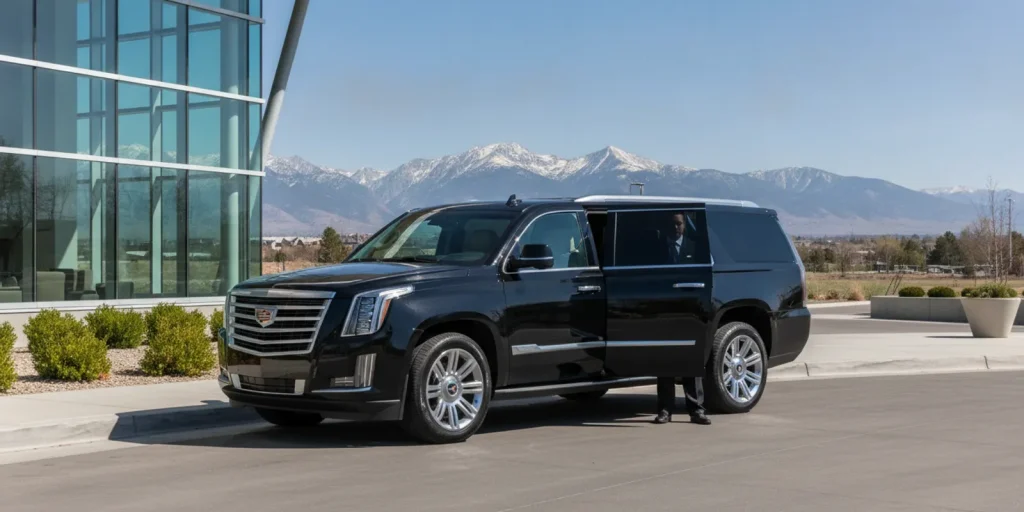
Planning Commerce City car service starts with the trip details: where everyone needs to be, when they need to arrive, how many passengers are traveling, and whether the ride includes a return. A clear plan helps match the vehicle and schedule to an airport connection, stadium event, concert, corporate meeting, or private gathering without leaving pickup logistics to the last minute.
What should Commerce City car service cover for your trip?
Start with the purpose of the ride, not just the pickup address. An airport transfer has different timing needs from an event where several guests arrive from different locations. A useful plan identifies the full route, expected wait, luggage, passenger count, and final drop-off.
Commerce City trips may connect with Denver-area destinations, Denver International Airport (DIA), or venues and gatherings around the region. Give the transportation provider exact street addresses rather than relying on a general neighborhood name. Include building, terminal, hotel, or venue details when you have them. Avi Limo serves Denver metro and Colorado destinations; review its chauffeured transportation services to see which trip format may fit.
- Airport: Share flight information, terminal if known, passenger count, luggage, and the time you need to arrive or be collected.
- Event: Provide the venue, event start time, desired arrival time, and whether the group wants a one-way trip, return pickup, or multiple stops.
- Group outing: List every pickup and drop-off point, the order of stops, and who will coordinate with the chauffeur.
- Business travel: Include meeting times, building entrances, equipment or luggage, and whether the itinerary has a hard deadline.
Separate fixed times from flexible ones. A flight departure, wedding ceremony, or meeting start is fixed. A restaurant stop or post-event departure may be flexible. Marking that difference allows the provider to discuss a realistic itinerary instead of treating every time as interchangeable.
Make a simple worksheet before contacting a provider. Put the date at the top, then list every stop in order, the requested time, the number of travelers, and the person responsible for decisions. Add notes about gates, loading zones, apartment entrances, hotel valet areas, or venue instructions. A few accurate details are more useful than a short request that only says the group needs a ride.
How should you plan an airport connection?
For a trip to or from DIA, work backward from the time you need to be at the airport. Consider the distance from your starting point, time of day, traffic, parking or curb procedures, and any planned stops. Avoid treating the flight departure time as the pickup time. Instead, tell the transportation provider your flight schedule and preferred airport arrival time so the itinerary can be discussed clearly.
For an arrival pickup, send the airline and flight number, arrival date, and a reachable phone number. Ask what meeting point and communication process to expect. At a busy airport, confirming precise pickup instructions ahead of time reduces confusion. For more airport-specific planning, see Avi Limo’s DIA limo service information and its Denver airport travel guide.
Build in flexibility when a trip has a tight connection or a fixed appointment after landing. Confirm whether the quoted itinerary accounts for waiting time, flight changes, and an additional stop. Do not assume that a standard airport pickup includes unlimited wait or a particular flight-monitoring arrangement; ask what applies to your reservation.
For a departure, confirm the pickup window and the address where the vehicle will meet you. For an arrival, confirm whether the driver meets the passenger at a designated location or whether the passenger should proceed to a particular curb or pickup area. These details matter more when a traveler has checked bags, mobility considerations, children, or a connecting appointment.
Use two checklists if the group has both departure and arrival service. The departure checklist should include the starting address, flight date and departure time, desired airport arrival time, passenger count, bag count, and any stop before DIA. The arrival checklist should include the flight number, arrival date, destination after the airport, contact number, and instructions for handling a delay. This prevents the common mistake of sending a flight departure time when the actual request is a post-landing pickup.
If several travelers arrive on different flights, decide whether they should share one later pickup or use separate arrangements. A shared ride may require a longer waiting window, while separate pickups may fit different terminals or schedules better. Explain the choice when asking for a quote so the proposed timing reflects the actual plan.
What changes when you are traveling to a stadium or event?
Stadium and concert travel can involve concentrated arrival and departure traffic. Choose a pickup point where the vehicle can legally and safely meet your group. If the venue has designated transportation areas, verify them with the venue and share the instructions with the person coordinating the ride. Set a clear post-event meeting place before entering, since phone service and crowds can make last-minute coordination difficult.
For an event with a scheduled start, plan to arrive with time to get through entry procedures and reach your seats or meeting place. Discuss whether the chauffeur will return at a fixed time, wait nearby, or collect the group after a message. The right arrangement depends on the booking and venue logistics. Avi Limo offers information about its Broncos game transportation and Red Rocks rides as examples of event-trip planning.
Do not rely on a vague instruction such as “pick us up after the show.” Agree on a time window, a recognizable location, and one lead contact. If the event may run late, ask how schedule changes are handled and whether they affect the reservation.
Venue access can depend on property rules, temporary closures, construction, or local land-use conditions. If a pickup involves a private venue or unusual access point, confirm instructions with the venue first. Municipal planning departments can provide public information about zoning and development matters; the City of Commerce planning page is one example of that type of public resource. It concerns Commerce, California, rather than Commerce City, Colorado, so it is not a substitute for venue transportation instructions. It does illustrate why property-specific guidance should be checked rather than assumed.
For large events, send the pickup plan to every passenger before the event. Include the meeting location, approximate return window, lead contact, and what to do if someone is separated from the group. A short written plan is often easier to follow than several messages sent while guests are leaving a crowded venue.
For a wedding or formal gathering, identify the person who can approve a timing change. The couple, event host, venue coordinator, and transportation coordinator may have different information. Naming one decision-maker prevents conflicting messages. For a corporate reception, provide an event contact and specify whether guests will depart together or in waves.
Which vehicle may fit your passengers and luggage?
Passenger capacity is only one part of the decision. Luggage, coats, mobility needs, child seats, and the amount of time spent in the vehicle all matter. A vehicle that seats a group may not have enough room for everyone’s bags. Describe the actual party rather than choosing by vehicle name alone.
| Trip situation | What to share | Planning consideration |
|---|---|---|
| Airport transfer | Passenger count, number and size of bags, flight details | Allow for luggage space and airport timing |
| Small private group | Riders, mobility needs, trip duration | Ask which executive vehicle configuration fits |
| Celebration or larger group | Everyone riding, stops, event schedule | Confirm seating and pickup access before booking |
| Corporate itinerary | Meeting locations, equipment, arrival deadlines | Prioritize a clear schedule and professional pickup points |
| Multiple locations | Addresses in order and time at each stop | Clarify the itinerary and how schedule changes work |
Avi Limo lists executive SUVs and Sprinter vehicles as well as stretch limousines. Check its vehicle options and confirm availability and appropriate capacity for your specific date. Vehicle configurations and usable luggage room can differ, so ask rather than estimating from a photo.
Be specific about items that affect seating or access. A folded stroller, sports equipment, multiple garment bags, or oversized luggage may change the best fit. If anyone needs step-free access or extra time to board, mention that when requesting service. The goal is to confirm that the actual people and belongings can travel comfortably.
Think about the trip in stages. For an airport ride, count bags at the start and again for the return because travelers may have additional purchases. For a formal event, include dresses, jackets, flowers, or equipment that may occupy cabin or storage space. For a meeting, mention presentation cases, samples, or other items that should remain secure and accessible.
Also consider how many people will board at each stop. A vehicle may have enough total seating for a final group of six but still need a clear plan when passengers and luggage are collected at three addresses. Give the provider the order of stops and approximate boarding time at each one.

What should you send when requesting a quote?
A complete request makes it easier to discuss the right service and avoid unclear assumptions. Include the following in one message:
- Travel date and preferred pickup time.
- Full pickup and drop-off addresses, plus intermediate stops.
- Passenger count and luggage or accessibility considerations.
- Purpose of the trip and any fixed arrival deadline.
- Whether the ride is one way, round trip, hourly, or includes a later return.
- A contact person who can coordinate changes on the day.
- Flight details or event information when those details affect timing.
Ask what the quoted amount includes, how duration is measured, and whether tolls, waiting, extra stops, or schedule extensions change the total. Review the current rates and pricing information and request clarification for your itinerary rather than relying on a generic estimate. Avi Limo’s quote checklist can help you prepare details.
When comparing options, compare the full itinerary rather than only the first number. A quote for a one-way ride may not cover a return several hours later. A quote based on one address may change when additional pickups are added. You can also review this Denver limo quote checklist for questions to ask before accepting an estimate.
Before paying a deposit or confirming a date, understand the cancellation, change, and payment terms. Ask who can approve an itinerary adjustment and how quickly changes should be reported. Written details reduce the chance that the passenger and provider are working from different versions of the plan.
Ask for the quote in a form that mirrors the trip. The written response should identify the date, pickup time, addresses, vehicle or vehicle category, passenger count, and whether the service is one-way, round trip, or based on a period of time. If an item is undecided, label it as an open question instead of assuming it is included.
How can you coordinate group pickup and the return?
For a group leaving Commerce City, designate one person to confirm headcount and communicate with the chauffeur. Send the group the pickup address, arrival window, and a simple landmark. If the party boards at multiple locations, establish an order and realistic departure time; each extra stop affects the schedule.
For return travel, agree on the exact meeting point and a backup communication plan. Share the lead contact’s number with the group. If some passengers may leave early or stay later, determine whether separate trips are possible and how they would be arranged. Keep everyone together at the agreed pickup location rather than asking the vehicle to search a crowded area.
For a business group, the coordinator should keep the itinerary, passenger list, and provider contact available. For a family or event group, send the same information to a second responsible adult in case the lead contact’s phone is unavailable. If guests are arriving from different addresses, decide whether a central meeting point is simpler than several residential pickups.
Review the reservation details before the trip, including date, pickup time, addresses, vehicle, passenger count, and return plan. Avi Limo’s reservation information provides another place to review booking expectations. For a broader overview of service choices, visit the Denver limousine service guide.
If plans change, communicate early instead of waiting until the scheduled pickup. A late event, changed terminal, added stop, or passenger who leaves separately can affect the route. The provider can explain what can be adjusted and whether the change affects timing or cost.
For a return after a game or concert, choose a meeting point that remains understandable after dark and after the crowd disperses. Use the venue’s official name, gate, entrance, or transportation zone rather than an informal description. If the group expects to split up, decide that before the event and ensure the lead contact knows which passengers are returning together.
How can you prepare for a smoother booking?
Use one written itinerary as the source of truth. It should show the date, time zone if travelers are coming from elsewhere, pickup address, drop-off address, stops, passenger count, vehicle request, and lead contact. If the trip is linked to a flight or event, add that reference without assuming it replaces the transportation instructions.
Share practical access notes. Mention a gated entrance, hotel valet area, office loading zone, apartment building, or venue instruction that could change where the vehicle meets the group. The provider may still need to confirm the final meeting point, but early notice gives everyone time to resolve uncertainty.
Travelers who prefer to arrange details online can review Avi Limo’s step-by-step booking information. For service context and company details, see the company overview. These pages can help you organize questions before contacting the team.
One day before travel, compare the confirmation with the version on your phone. Check the date, especially when a trip begins late at night or crosses midnight. Verify the pickup address, passenger count, contact number, event or flight reference, and return instructions. Send any correction as soon as you notice it.
On the day of service, keep the lead contact available and have passengers ready during the agreed pickup window. If the location is difficult to access, wait at the confirmed meeting point instead of moving between entrances. A consistent handoff helps the chauffeur locate the group and keeps the itinerary on track.
What should you confirm before booking?
- Is the requested date and vehicle available?
- Does the vehicle suit the group and its luggage?
- Are all addresses and stop durations included in the itinerary?
- What is the plan for airport arrivals, event delays, or a late return?
- What is included in the quote, and what could add to it?
- Who is the day-of contact, and how will pickup be confirmed?
- What are the change, cancellation, and payment terms?
Make sure the written confirmation reflects the agreed plan. If anything changes, contact the provider promptly so the details can be reviewed. For local company and service information, see Avi Limo’s company overview.
Contact Avi Limo about your itinerary
Frequently Asked Questions
Can I arrange a Commerce City ride to DIA?
Yes. Share the pickup address, flight schedule, passenger and luggage counts, and desired airport arrival time when requesting details. Confirm the exact pickup process for an airport arrival.
Should I book event transportation as a round trip?
That depends on the event schedule and how long you want to stay. A round trip with an agreed pickup time can simplify the return, while a flexible end time should be discussed in advance.
How do I choose a vehicle for a group?
Provide the passenger count, luggage, and any mobility needs, then ask which available vehicle fits. Confirm capacity and space for bags instead of assuming a seating label answers both questions.
What information should I have ready before requesting service?
Prepare your date, addresses, schedule, passenger count, luggage details, stops, and return plan. Include a lead contact so pickup coordination is clear.
What if the event schedule changes?
Contact the transportation provider as soon as possible and explain whether the pickup time, location, passenger count, or route has changed. Ask what adjustment is possible and whether the revised plan changes the quote.
With the route, timing, group details, vehicle needs, and return arrangement confirmed in advance, you can make a more informed decision about Commerce City transportation for your next airport trip or event.