Call us: 303-455-4455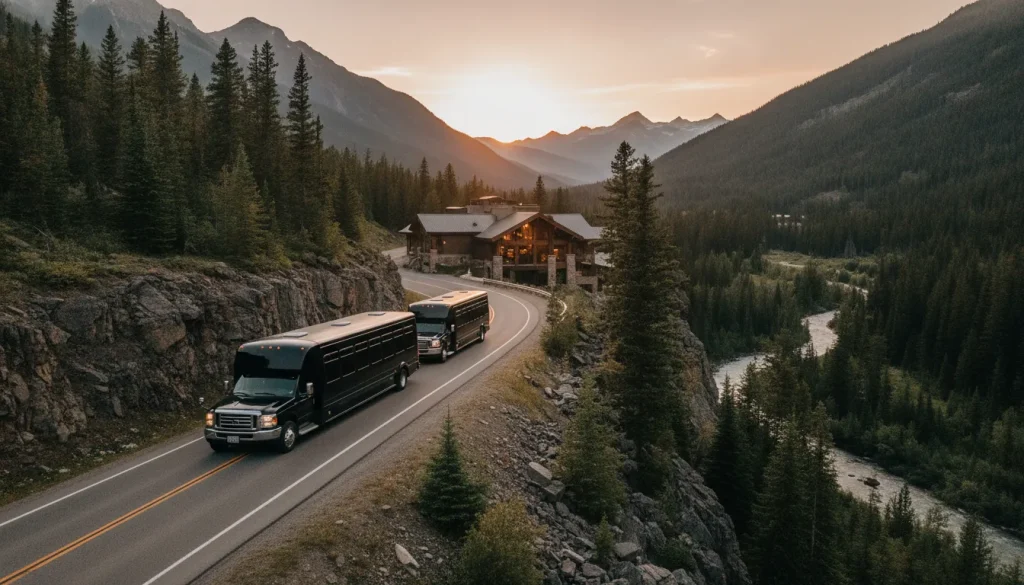
Colorado mountain wedding transportation takes more coordination than a typical city ride. Guests may travel from Denver hotels to a remote venue, cross steep or winding roads, encounter changing weather, and lose cell service along the way. A practical plan connects the guest list, venue access rules, vehicle choices, pickup hubs, route, ceremony timeline, and return schedule. This guide explains how to organize those details without making transportation another source of wedding-day stress.
Request a mountain wedding transportation plan from Avi Limo.
Quick answer: Start with the final guest count and every place guests need to move between. Use a small number of clear pickup hubs, match each group to an appropriate vehicle. Build weather and road contingencies into the plan, and give every guest the schedule before the wedding day.
Build your Colorado mountain wedding transportation plan
Mountain wedding venues span popular Colorado resort towns including Keystone, Beaver Creek, Estes Park, Breckenridge, and Copper Mountain. Each location has unique access routes and guest accommodation patterns. Our Denver to Keystone limo service and Beaver Creek wedding transportation guides provide route-specific details for those venues.
Planning capsule: Document each guest movement, then assign a pickup place, boarding time, vehicle, route, group lead, and backup action to it. A single shared plan keeps the couple, venue, transportation team, and guests working from the same information.
Begin with a simple movement list. Include travel from hotels to the ceremony, movement between separate ceremony and reception sites. Rides for the couple and wedding party, and return service at the end of the night. Add any airport, rehearsal dinner, or next-day movement only if it is part of the transportation scope. Keeping the main wedding-day plan separate makes it easier to review.
Collect the details that shape the route
Give the transportation provider the exact venue address, hotel addresses, event start times, guest count, and venue contact. Ask the venue where larger vehicles may enter, turn, stage, load, and unload. A mountain venue may have a narrow drive, a specific shuttle area, or a separate service entrance. Confirming those details early prevents a driver from discovering an access issue with guests already aboard.
Review mobility needs, formalwear, child-seat requirements, and luggage or decor that will travel with a group. Guests who need an easier boarding process should be assigned to a suitable vehicle and allowed enough time. Keep the couple’s ride separate from guest-shuttle assumptions so a late guest does not change the wedding party’s schedule.
Turn the guest list into vehicle assignments
Group guests by hotel or pickup hub, not just by family. For each vehicle, create a list with passenger names, the group lead, pickup location, boarding time, and destination. Leave flexibility rather than filling every available seat in the first draft. A little room makes boarding more comfortable and gives the coordinator options if assignments change.
Vehicle capacity is only one part of the choice. Ask about room for coats, gifts, mobility equipment, and any bags traveling to the venue. Confirm the actual capacity and storage arrangement for the specific available vehicle with Avi Limo before finalizing the list. Do not assume that every vehicle of the same general type has the same layout.
Keep one final transportation document
For weddings near Estes Park or Rocky Mountain National Park, our Denver to Estes Park limo service planning guide covers vehicle options for mountain venues.
Create a final document that contains the schedule, pickup maps, passenger assignments, venue access notes, contact tree, and contingency plan. Give the transportation provider and venue coordinator the same version. Guests only need the portion relevant to their pickup and return trip. Label the document with its update date so old versions are easy to identify.
The transportation lead should be someone other than the couple. That person can answer guest questions, check the passenger list, and communicate with the venue and transportation team. The role is especially valuable when cell coverage is unreliable and decisions need to move through a clear contact tree.
Match vehicles to the wedding party and guest list
Vehicle capsule: Match the confirmed passenger count, storage needs, route, venue access, mobility needs, and desired experience to the specific vehicle. Confirm the final seating capacity and availability before assigning guests.
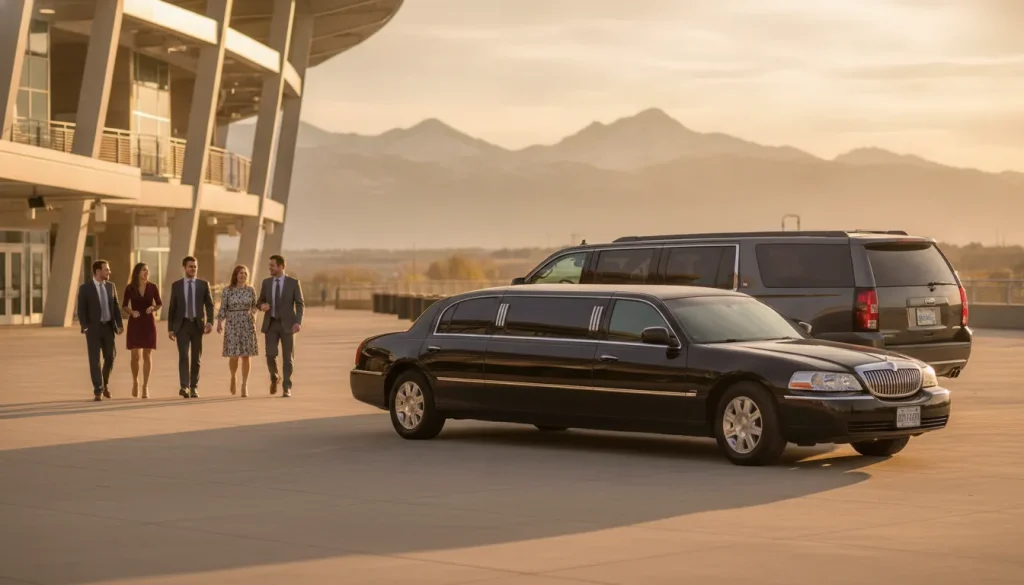
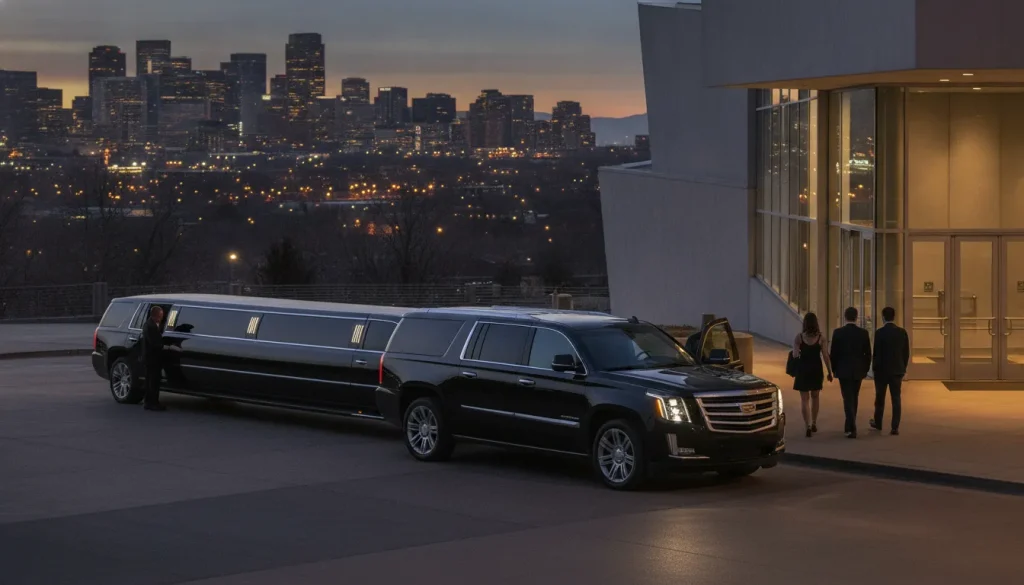
The right mix may include a private vehicle for the couple, a separate ride for the wedding party, and shared vehicles for guests. Couples can review Avi Limo’s fleet and vehicle options, then discuss which available choices suit the route and venue. Couples can also choose the right wedding limo for Denver in a separate guide that covers capacity, pricing, and booking tips. The goal is not to use the largest vehicle possible. It is to use vehicles that can complete each movement comfortably and fit the site’s access rules.
| Vehicle type | Useful for | Capacity planning question | Route question |
|---|---|---|---|
| Luxury limousine | Couple, family, or wedding party | Will formalwear and personal items fit comfortably? | Can it stage and turn at the venue? |
| Luxury SUV | Private rides and smaller groups | How many passengers and bags fit in the available vehicle? | Is it appropriate for the planned road and conditions? |
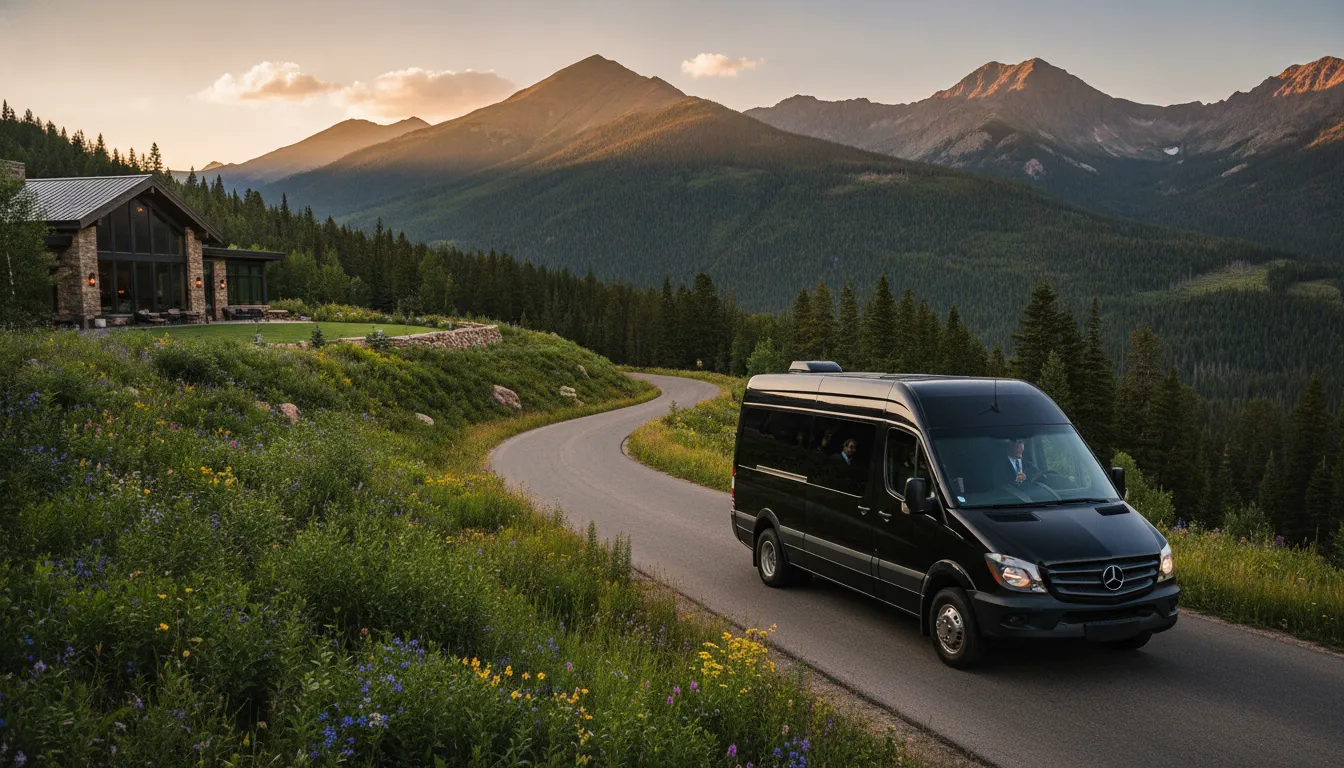
| Mercedes-Benz Sprinter | Keeping a smaller guest group together | What is the exact seating and storage layout? | Can it access the assigned pickup and venue areas? |
| Shuttle-style vehicle | Coordinated guest movements | How many vehicles are needed for the confirmed list? | Where can vehicles load, unload, stage, and turn? |
Plan capacity around people and belongings
A seating number does not describe the full experience. Formal clothing, winter layers, flowers, gifts, and mobility equipment all affect usable space. Ask what can be stored without blocking aisles or making boarding awkward. If guests are bringing luggage from a hotel checkout, include it in the plan rather than treating it as a last-minute addition.
For a smaller group, Avi Limo’s Mercedes-Benz Sprinter service may help guests travel together. Confirm the exact vehicle, passenger count, storage needs, availability, and route before reserving. For every group size, use the provider’s confirmed capacity rather than a generic capacity found online.
Check venue access before choosing larger vehicles
Ask the venue whether the approach includes narrow roads, tight turns, low branches, gates, gravel, steep sections, or restricted loading areas. Ask where a vehicle can wait without blocking other vendors or emergency access. Share any written venue transportation rules with Avi Limo. If the preferred vehicle cannot reach the main entrance, agree on a safe alternate loading point and explain it to guests.
Separate the couple and wedding party schedule
The couple, attendants, and close family may need different pickup times because of portraits, preparation, or ceremony duties. List those movements separately from guest shuttles. Identify who carries personal items and who confirms that essential people are aboard. After the ceremony, state whether the same group remains together or moves into different vehicles.
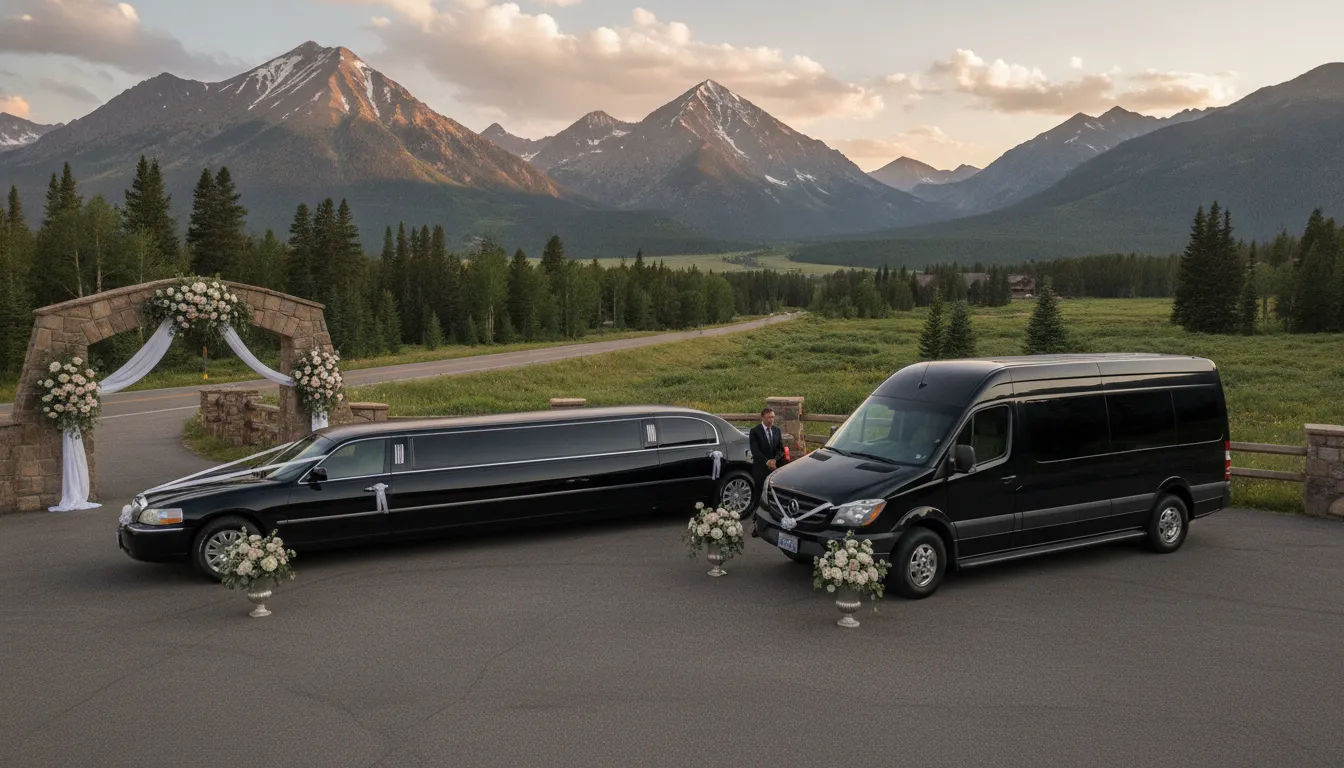
Build a realistic mountain wedding shuttle timeline
For groups needing guest-specific logistics, our Denver wedding guest shuttle transportation guide covers dedicated guest shuttle planning separately from wedding-party vehicles.
Timeline capsule: Work backward from the ceremony. Include boarding, travel, possible road or weather delays, unloading, the walk from the drop-off area, and time for guests to settle before the ceremony.
A map estimate is a starting point, not the whole timeline. A guest shuttle may load more slowly than a private car, and the venue drop-off point may not be beside the ceremony seats. Road work, traffic, weather, and an unfamiliar pickup area can also affect the schedule. Discuss the route with the provider and venue before publishing guest times.
Work backward from the ceremony
- Choose the desired guest arrival: Allow guests time to unload, walk to the ceremony area, use the restroom, and find their seats.
- Add unloading time: Consider the size of the group and any mobility needs.
- Review the mountain drive: Ask the transportation provider to assess the route rather than relying only on a general map estimate.
- Add a condition buffer: Build reasonable flexibility for traffic, weather, road work, and slower mountain travel.
- Set boarding and check-in: Tell guests when to be at the pickup point, not only when the vehicle departs.
The original plan should be realistic enough that the driver is not pressured to make up time on the road. If a delay happens, the group lead should contact the transportation lead, who can coordinate with the venue. Guests should not contact several different people for competing updates.
Plan the return before the reception begins
Return transportation needs the same attention as arrival. Decide whether there will be several departures or one final departure, and state the schedule clearly. Identify the exact loading point, especially if the reception entrance differs from the ceremony arrival area. Make sure guests know which belongings they must bring back and where they should wait.
If the plan includes several return groups, assign guests or explain how seats will be managed. Coordinate the final sweep with the venue so the transportation lead can confirm that no guest is waiting in the wrong place. Share a backup contact method for anyone who misses instructions.
Prepare for Colorado weather and mountain roads
Weather capsule: Monitor the forecast and road conditions, confirm route and vehicle suitability with the professionals. And decide in advance how the group will receive an update if conditions require a change.
Mountain conditions can change quickly and vary along the route. Rain, snow, cold air, road work, traffic, or a closure may affect the plan. The transportation provider should assess vehicle and route suitability, while the venue should explain local access conditions. Couples and coordinators should focus on clear decisions and guest communication rather than trying to direct drivers.
Create a simple contingency plan
Write down what happens if the planned route, pickup hub, or venue loading area cannot be used. An effective contingency identifies who decides, who contacts the venue and transportation provider, and who tells guests. Include the alternate pickup point or route only after it has been reviewed by the relevant professionals.
Check official road information and the forecast as the event approaches. If a change becomes necessary, send one clear update that includes the revised place, time, and action. Avoid sending partial updates from several members of the wedding party, which can create confusion.
Help guests prepare for the setting
Use the wedding website or guest email to explain the pickup plan and practical mountain considerations. Recommend clothing and footwear appropriate for the venue and expected conditions. Tell guests whether they need to walk between the drop-off point and ceremony area. Ask them to download offline maps and save the transportation lead’s number before departure.
Guests driving themselves should receive venue-approved directions and parking instructions separately from shuttle riders. Keep the two sets of instructions distinct. That makes it less likely that a shuttle guest goes to a parking lot while a driver goes to the shuttle loading area.
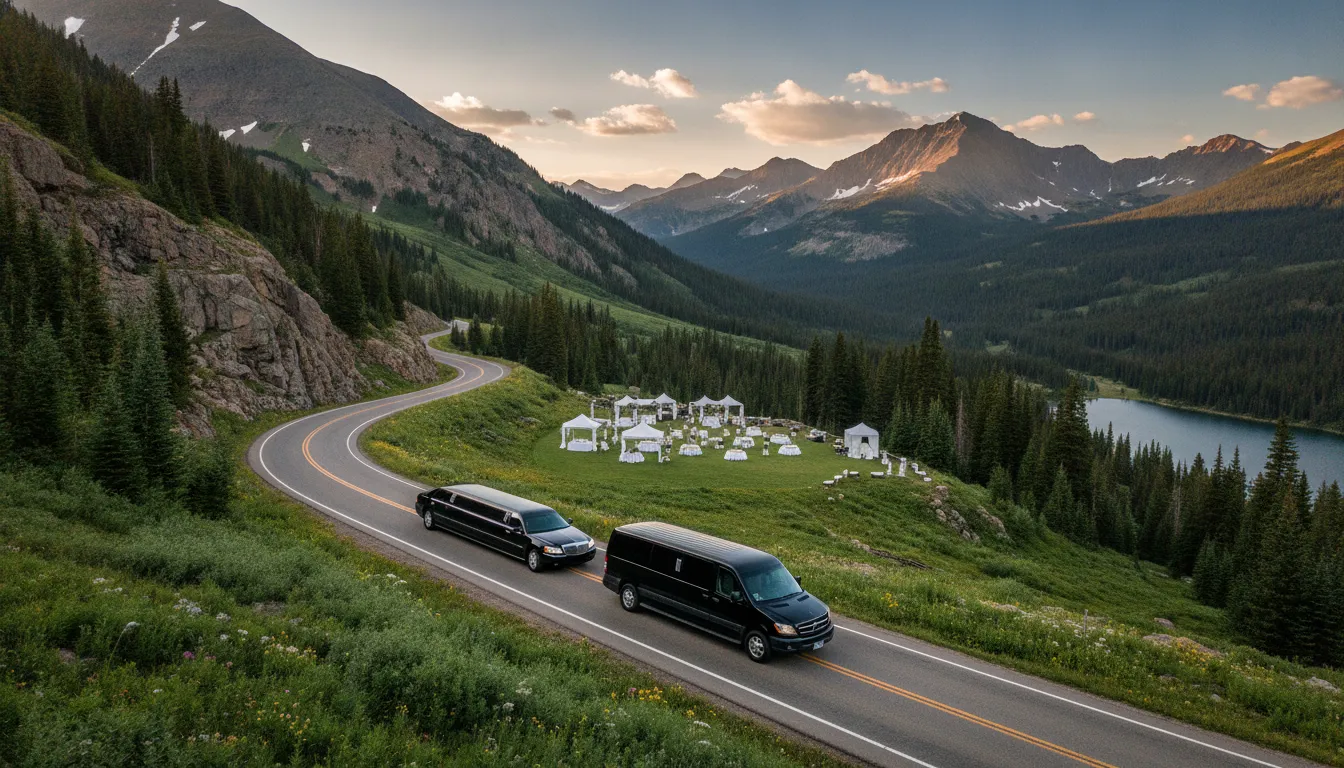
Make mountain wedding pickup logistics simple
Pickup capsule: Use a small number of central hubs, give every hub a group lead, mark the loading area clearly, and provide exact check-in and departure instructions before the wedding.
Choose central pickup hubs
Central hubs reduce stops and make the passenger list easier to manage. A hotel may be convenient, but confirm exactly where the vehicle is permitted to wait and whether that area works for the assigned vehicle. Give guests a map pin, a written description, and a photo of the loading area when possible. A hotel name alone may not be enough at a large property.
Tell guests the check-in time and the departure time. The group lead can check names, help guests find the correct vehicle, and notify the transportation lead of an issue. If several wedding groups use the same hotel, a sign with the couple’s names can help guests identify the correct loading point.
Use a clear communication tree
The couple should not become the dispatch center. Assign one transportation lead and one lead for each pickup hub. Guests contact their hub lead, hub leads contact the transportation lead, and the transportation lead communicates with Avi Limo and the venue coordinator. Share direct driver information only according to the provider’s plan.
Because mountain cell service may be limited, send the final instructions before guests leave the hotel. Ask them to save the information locally or take a screenshot. Include the pickup location, check-in time, destination, return plan, lead contact, and what to do if they miss the vehicle.
Account for accessibility and boarding
Ask guests privately about mobility needs before assigning vehicles. Confirm the boarding setup and required assistance with the provider, and confirm the path from the venue drop-off point to the event space with the venue. Give these guests and their companions clear instructions without publishing private details to the full group.
Coordinate transportation with the venue and vendors
Coordination capsule: Give the venue coordinator and transportation provider one final schedule, identify who can approve a change, and keep loading areas clear during every planned movement.
Transportation overlaps with photography, catering, music, lodging, and venue operations. A late portrait session can affect a wedding-party ride, while a vendor vehicle in the shuttle zone can delay guest unloading. The transportation lead does not need to manage every vendor, but should know which schedule changes affect a planned ride and who has authority to approve them.
Review the day with the venue coordinator
Ask the venue coordinator to review each arrival and departure. Confirm where guests enter after unloading, where they wait for the return ride, and whether another event or vendor will use the same space. Identify the person who can open a gate or resolve an access question on the wedding day. If the ceremony and reception use different areas of the property, document whether guests walk or ride between them.
Share the transportation provider’s staging needs with the venue rather than assuming space will be available. The final plan should keep fire lanes, vendor routes, and guest walking paths clear. If signs are permitted, agree on their placement and removal.
Protect key wedding-party movements
Give the photographer and planner the departure times that cannot shift without affecting transportation. State who will tell the transportation lead if portraits, speeches, or another activity runs late. The lead can then coordinate the next action with Avi Limo and the venue instead of leaving a vehicle or guest group waiting without information.
Before each wedding-party departure, assign someone to check for flowers, attire, personal items, and anyone required at the destination. After the group departs, the transportation lead should confirm completion on the master schedule. This simple handoff prevents assumptions from carrying into the next movement.
Use this mountain wedding transportation checklist
Checklist capsule: Finalize the people, places, vehicles, times, route, contingency, and contact tree. Then review the same final plan with the venue and transportation provider.
Before reserving
- List every wedding-day movement and exact address.
- Estimate guest counts by hotel or pickup hub.
- Ask the venue about access, loading, staging, and turnaround areas.
- Identify mobility needs, luggage, formalwear, and other storage needs.
- Discuss suitable vehicle options and route considerations.
- Review the scope of Avi Limo’s Denver wedding limousine service.
After the guest list is confirmed
- Confirm the exact available vehicles and their capacities.
- Assign every guest to a pickup hub and vehicle group.
- Name the transportation lead and each hub lead.
- Confirm venue access instructions with the transportation provider.
- Create the arrival, ceremony, reception, and return schedule.
- Document the weather, route, and pickup contingency.
Before the wedding day
- Review the final plan with the venue and Avi Limo.
- Send guests their pickup, boarding, and return instructions.
- Ask guests to save offline maps and contact information.
- Check the forecast and official road conditions.
- Confirm signs, passenger lists, and coordinator copies.
- Make sure every document shows the current update date.
Frequently Asked Questions
What should a Colorado mountain wedding transportation plan include?
A complete plan should include confirmed pickup hubs, passenger assignments, vehicle choices, route and access details, a weather backup, a communication tree, and a return schedule. The venue, transportation provider, and transportation lead should review the same final version.
How early should mountain wedding shuttles depart?
Build the departure time backward from the ceremony. Allow time for boarding, the mountain drive, possible road or weather delays, unloading, and a comfortable arrival before the ceremony. Ask the transportation provider to review the route and the venue to confirm the walk from drop-off to the event area.
Which Avi Limo vehicle works for a smaller wedding guest group?
A Mercedes-Benz Sprinter may be a practical option for keeping a smaller group together. Confirm the exact passenger count, luggage needs, route, and available vehicle with Avi Limo before reserving.
How can guests navigate to a remote venue without a cell signal?
Send written pickup instructions and route details in advance, ask guests to download offline maps, and appoint a group lead at every pickup hub. Guests should save the plan and contact details locally before leaving the hotel.
How should couples prepare for changing mountain weather?
Monitor the forecast and road conditions, share clothing guidance with guests. Confirm an alternate route or pickup plan with the venue and transportation provider, and keep the contact tree current. If the plan changes, send one complete update from the transportation lead.
Reserve Colorado mountain wedding transportation
A strong transportation plan gives every guest a clear place, time, vehicle group, and point of contact. It also gives the venue and transportation provider the route details and flexibility needed to manage mountain conditions. Once your guest count, venues, and schedule are taking shape, discuss the plan with Avi Limo and confirm the specific vehicles available for your day.
Reserve wedding transportation with Avi Limo or call 303-455-4455.