Call us: 303-455-4455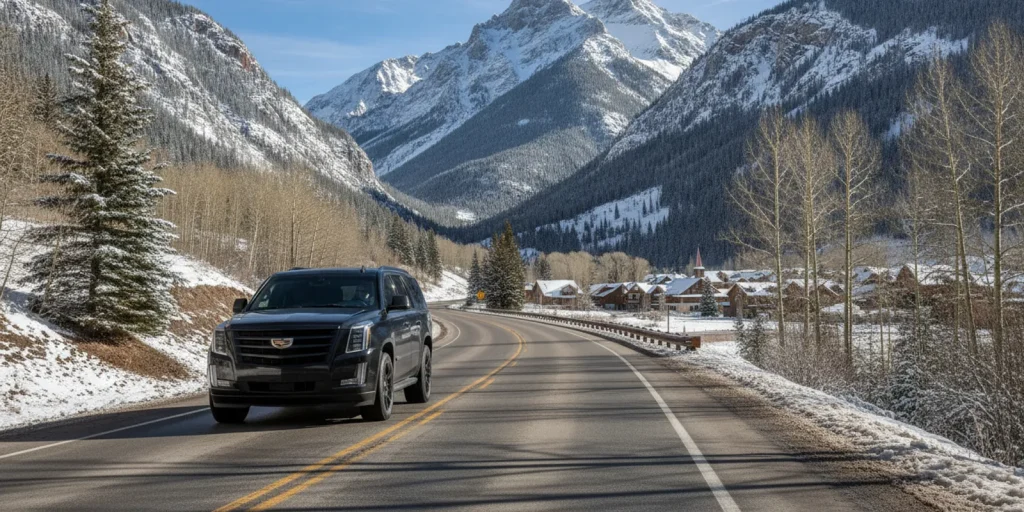
Planning a Denver to Crested Butte limo service means more than choosing a pickup time. You need to align the route, trip length, passenger and luggage needs, mountain conditions, and the type of vehicle with your itinerary. A private chauffeur transfer can make a long Colorado journey easier to coordinate, but the details should be confirmed in advance, especially the pickup and drop-off points, schedule flexibility, and availability for your travel date.
What should you plan before booking a Denver to Crested Butte limo service?
Start with the trip itself, not just the destination. Crested Butte trips may involve a home or hotel pickup in the Denver area, a direct transfer, a stop along the way, or a return ride on a different day. Those are different service plans. Give the transportation provider the full outline so it can confirm whether the route, timing, and vehicle can be accommodated.
Write down the essentials before you ask for a quote:
- Pickup address, preferred pickup time, and a reliable contact for the day of travel.
- Your exact Crested Butte-area destination, including the property, lodging, or meeting point.
- Passenger count, including children, and how much luggage or ski equipment you expect to bring.
- Whether the ride is one-way, round-trip, or includes a later return on a separate date.
- Any planned stops, wait time, connecting travel, or schedule constraints.
- Your preferred vehicle type and any accessibility or comfort needs that affect the fit.
Exact addresses matter. A pickup in downtown Denver can require a different approach than one in a suburb, and a drop-off at a lodging property may have different access and parking details than a central meeting point. If there are multiple passengers joining at different locations, list each stop and its address rather than describing the plan generally.
For a Denver-specific pre-quote checklist, see Avi Limo’s Denver limo quote checklist. It can help you send the trip information needed to discuss a route and vehicle match.
Make the itinerary concrete before choosing a service format
Sketch the trip in time order. For example, note whether the driver should collect the full group at one address, pick up a second household, make a rest stop, and continue to a specific lodging entrance. Then separate firm requirements from preferences. A required arrival window for a scheduled event is different from a preferred lunch stop that could be skipped if road conditions or timing change.
Also decide what happens after arrival. A one-way transfer, a round trip with a planned return time, and a ride out on one date with a pickup days later are not interchangeable. If you need a return, include its date and exact pickup point in the original request even when that part of the itinerary is still being finalized. This helps the provider explain what can be arranged rather than leaving the return as an unaddressed assumption.
How should you think about the route and travel time?
Denver to Crested Butte is a long-distance mountain trip, not a short city transfer. The route and drive duration can vary with the pickup point, destination, traffic, road work, weather, and the day’s conditions. Avoid building a time-sensitive itinerary around an optimistic drive estimate. If you have a dinner reservation, event start, lodging check-in, or onward connection, allow a cushion and discuss the required arrival time when requesting the quote.
There is not one route or timing plan that suits every departure. Road conditions and closures can affect the best option, and winter travel can call for additional flexibility. Ask how the provider handles route decisions and when the driver will confirm the day’s plan. For current statewide road and travel information, consult the Colorado Department of Transportation and check official updates close to departure. A general map estimate is useful for early planning, but it cannot promise a specific arrival time.
Think through stops before you book. A direct transfer, a rest stop, a meal stop, and multiple passenger pickups do not have the same timing or pricing implications. If a stop is important, state its location and approximate duration. Confirm whether it can be included and how additional waiting or itinerary changes are handled. Do not assume a driver can add an unplanned stop without changing the schedule.
For your return, confirm the day, pickup location, desired departure window, and whether the return is part of the same reservation or a separate service. A mountain stay may end early, late, or change with weather. Agree on a practical plan for communicating updates rather than relying on last-minute assumptions.
Build a schedule with useful buffers
Work backward from the first commitment at your destination. If the group needs time to unload, check in, change clothes, or carry equipment inside, include that time after the drive instead of treating drop-off as the same thing as being ready for an event. For a fixed start time, set your requested arrival earlier and share that deadline when asking about the ride. The provider can discuss feasibility, but the itinerary should still leave room for variable road conditions.
For a group traveling to a weekend stay, a practical planning sequence is to confirm the lodging’s arrival window, select a pickup window that allows for the long drive, and identify a backup communication plan if the estimate shifts. For a time-sensitive event, decide in advance which optional stop can be removed if the schedule tightens. These choices make the itinerary easier to discuss and help prevent passengers from making conflicting assumptions about departure or arrival.
Which vehicle and luggage arrangement may fit your group?
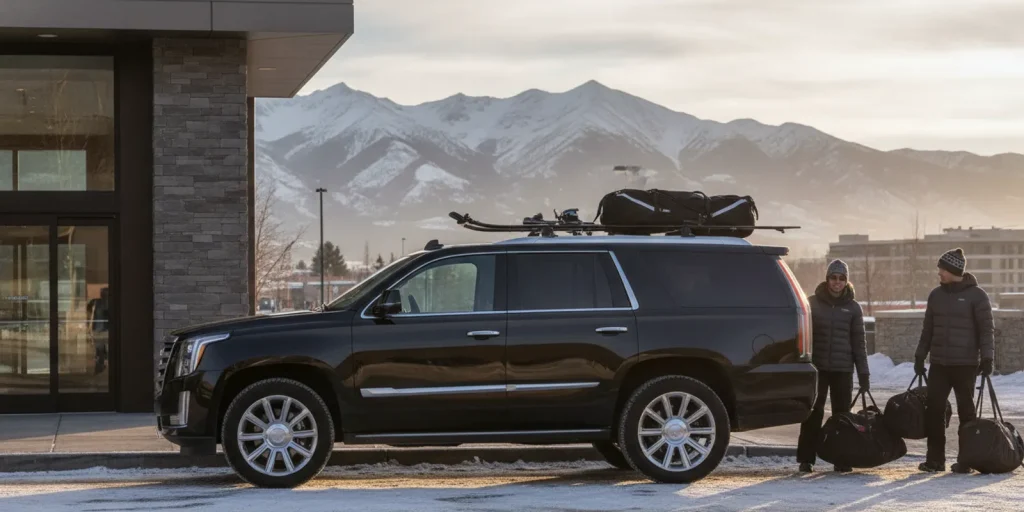
Choose based on the whole load: passengers, bags, ski gear, and comfort for a long ride. A vehicle’s passenger capacity alone does not tell you how much luggage it can carry while keeping everyone comfortable. Tell the provider what equipment you have, including bulky skis, snowboards, boots, or oversized bags, and ask for a suitable configuration before you reserve.
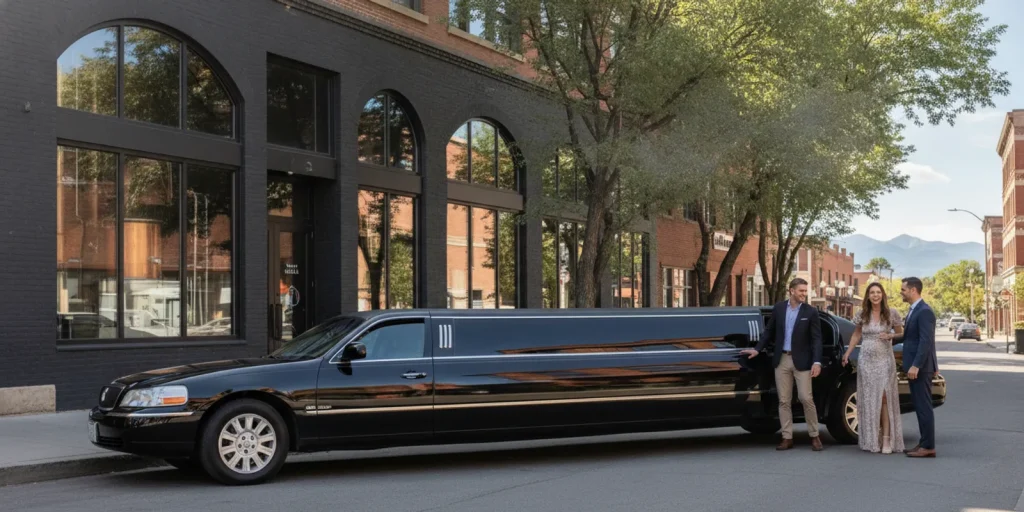
Avi Limo lists several vehicle types for different group sizes, including executive SUVs and Sprinter vehicles as well as stretch limousines. Its vehicle information can help you compare the available categories, but confirm the specific vehicle and luggage fit for your date when requesting a quote. A stretch limousine may be a distinctive choice for a celebration, while an executive SUV or Sprinter may be more practical when the priority is luggage space and a direct mountain transfer. Actual availability and suitability must be confirmed for the trip.
Use this comparison as a starting point, not a guarantee of capacity for your exact luggage load:
| Trip consideration | What to share | What to confirm |
|---|---|---|
| Passenger count | Number of adults and children, plus any seating needs | Vehicle capacity and comfortable seating for the full journey |
| Suitcases | Number and approximate size of bags | Whether bags fit alongside all passengers |
| Ski or snowboard gear | Number and type of equipment and whether it is in cases | Available storage and any loading limitations |
| Celebration or special occasion | Preferred cabin style and any requested amenities | Vehicle availability, service details, and timing |
| Stops or extra pickup points | Addresses and expected dwell time | Whether the itinerary is possible and how it affects the quote |
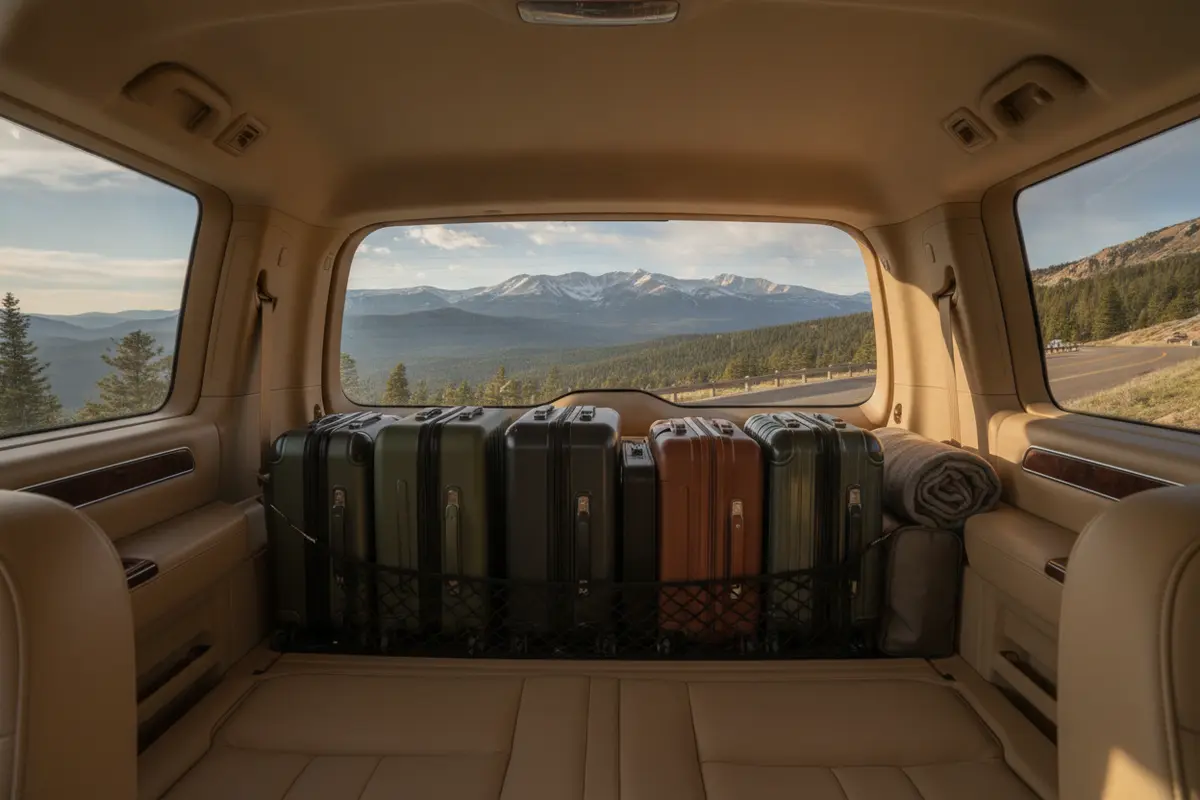
When the group has different priorities, resolve those before choosing. For example, one traveler may value a stretch-limo cabin for a special occasion, while another may be focused on loading equipment. Ask the provider to recommend a vehicle based on the actual passenger and luggage details, rather than selecting from a photo alone. Avi Limo’s service information and Cadillac Escalade ESV details offer additional context, but a quoted vehicle should be confirmed directly.
Think about comfort as well as capacity
On a long ride, small packing decisions affect how comfortable the cabin feels. Keep the number of carry-on bags realistic, separate items passengers need during the trip from luggage that can be stowed, and tell the provider about equipment that is long, rigid, or unusually bulky. If anyone needs extra room for mobility or has a seating preference, discuss it before the vehicle is selected. Do not wait until the day of pickup to discover that the actual load is larger than the arrangement allows.
Ask the group to send one combined inventory rather than several incomplete estimates. For instance, list four passengers, three standard suitcases, two ski bags, and a boot bag, then update the list if another traveler joins. That gives the provider a clearer basis for checking fit. It is also useful to identify which bags are essential in the passenger area, such as medication or travel documents, so they remain accessible without disrupting the loading plan.
How do mountain conditions affect the plan?
Mountain weather can change the pace of a trip. Snow, ice, wind, visibility, traffic, and road restrictions may affect route choice and travel time. Conditions can differ between Denver and the mountain destination, so check updates for the full route rather than relying only on the weather at either endpoint.
For a winter trip, build flexibility into your schedule. Avoid scheduling a tight connection immediately after the estimated arrival, and let your lodging or event host know that road conditions may affect your arrival window. If the trip is tied to a flight or another fixed departure, share that constraint before booking and discuss whether the proposed plan allows enough margin. No transfer provider can control closures or guarantee road conditions.
Ask specific questions instead of relying on broad assurances:
- How will the pickup time and route be confirmed before departure?
- What is the procedure if a road closure or severe weather changes the plan?
- Who should you contact if your schedule or passenger count changes?
- Are stops or added waiting possible, and must they be arranged in advance?
- What is the provider’s policy if conditions make the planned trip unsafe or impractical?
Keep essential items accessible in the cabin, such as medication, travel documents, chargers, and anything you may need during a stop. Pack equipment so it can be loaded securely, and do not assume a bag or oversized item will fit without checking. If someone in the group has a particular mobility or comfort need, bring it up when planning so the vehicle and boarding details can be discussed ahead of time.
Prepare a simple change plan
Before departure, make sure one person in the group is responsible for communicating itinerary changes. Give that person the provider’s confirmed contact method and share it with the other passengers. If a passenger is running late, a stop becomes necessary, or the drop-off address changes, one clear update is easier to act on than several conflicting messages.
Decide which changes require immediate confirmation. A small adjustment to a preferred departure window may be manageable, while adding a pickup point or changing the destination can affect timing and service terms. Keep lodging or event contacts informed if the arrival window shifts. This does not prevent weather or traffic delays, but it gives the group a consistent way to respond and avoids relying on a single outdated estimate.
When should you arrange the transfer?
Contact a provider once you know your date, rough schedule, party size, and destination. Earlier conversations give you more time to compare options, confirm vehicle fit, and resolve questions about the route. This is especially helpful for holiday periods, weekends, special events, or dates when your plans depend on a specific vehicle. Booking early is not a promise of availability; the provider must confirm what can be reserved.
Do not wait until the last detail is finalized to ask whether service is possible. You can request an initial quote with your best-known information, then explain which details are still pending. Before you accept, confirm the written trip details, including pickup and destination addresses, date, times, passenger count, vehicle, price, any included stops, and applicable service terms. Minimum service requirements and trip pricing can vary by booking, so ask what applies to your route instead of assuming a standard hourly minimum or flat rate.
Avi Limo’s rates information is a useful place to review general pricing context. For the cost of this particular trip, request a route-specific quote. The limo quote guide explains what details to compare, while the reservation information can help you understand the next steps. Confirm final terms directly with Avi Limo before making plans around them.
A practical booking sequence
- Gather the trip facts. Note dates, pickup and destination addresses, passenger count, gear, and any time-sensitive commitments.
- Request a route-specific quote. Describe one-way or return travel, proposed stops, and details that remain unconfirmed.
- Resolve vehicle and schedule questions. Confirm luggage fit, pickup window, planned route communication, and how schedule changes should be handled.
- Review the written details. Check that addresses, date, times, vehicle, price, stops, and service terms match your understanding.
- Share the final plan. Send the confirmed pickup instructions and contact process to everyone traveling.
If part of the itinerary is still uncertain, label it clearly instead of presenting it as settled. For example, explain that the return date is confirmed but the pickup time depends on an event ending. Ask how and by when that time needs to be finalized. A short list of open items makes follow-up easier and reduces the risk that a tentative detail is mistaken for part of the reservation.
What should you compare in a transfer quote?
A useful quote should make it possible to understand what ride is being proposed. If the estimate is unclear, ask for clarification before you book. Compare the full plan rather than looking at a single number without knowing what is included.
- Service format: Is the proposal for a direct one-way ride, round trip, hourly service, or a multi-day arrangement?
- Trip details: Are the actual pickup and drop-off addresses, date, and times correct?
- Vehicle: Is a specific vehicle or class identified, and has the provider checked luggage and equipment fit?
- Stops and waiting: Are planned stops, extra pickups, or requested waiting included or treated separately?
- Price and terms: What is included in the quoted total, and are there additional charges or minimums that apply?
- Changes and cancellation: What happens if the group size, schedule, or travel conditions change?
- Communication: Who will confirm the ride and how should you reach the provider on the travel day?
Comparing like with like helps prevent surprises. For instance, one quote may describe a direct transfer while another includes a stop or scheduled wait. A lower headline amount is not necessarily the better fit if it does not match the actual itinerary or passenger needs. Ask each provider to explain the same trip assumptions so you can make a fair comparison.
Use a simple side-by-side check if you are weighing different proposals. Put the date and addresses at the top, then compare the service format, vehicle plan, number of passengers and bags considered, stop assumptions, quoted total, and change terms. If a proposal leaves out one of those items, ask for the missing detail before drawing a conclusion. This is especially helpful when one option is described as a transfer and another as a block of time; those labels may represent different schedules and inclusions.
How can you make the pickup and arrival easier?
On the day of travel, make the pickup simple. Choose a safe and specific meeting point, tell the passengers where to wait, and share the driver’s contact process with the group. If a hotel, residential community, or venue has entry instructions, loading zones, or security procedures, pass those details along before departure.
Before leaving Denver, confirm that the number of passengers and bags still matches the reservation. Keep the phone number for the booking contact accessible, and notify the provider promptly if a delay or change affects the plan. At the destination, make sure the driver has the correct address and any gate, driveway, or property-access instructions. If you are staying at a location outside the main town area, verify the precise drop-off point rather than assuming every property has the same access.
For broader service questions or to discuss a route, you can review Avi Limo’s company information and contact the team directly. The most useful conversation is one based on your real itinerary, rather than a generic assumption about what a long-distance transfer includes.
Discuss your Crested Butte trip with Avi Limo.
Frequently Asked Questions
Can I request a one-way transfer from Denver to Crested Butte?
You can ask about a one-way itinerary, but availability, vehicle, route, and terms must be confirmed for your date. Include your pickup and drop-off addresses and desired arrival time when you request a quote.
Can a limousine carry skis and snowboards?
Do not assume that every vehicle can carry your group and equipment comfortably. Tell the provider how many skis, snowboards, suitcases, and passengers are traveling, then confirm the recommended vehicle and storage arrangement before booking.
How long does the drive take?
Travel time varies with the Denver pickup location, route, traffic, weather, road work, and mountain conditions. Use a current map estimate for preliminary planning, allow extra time, and confirm the schedule with the provider rather than treating an estimate as a guaranteed arrival time.
When should I request a quote?
Reach out as soon as you know your travel date and basic itinerary. Early planning gives you more time to confirm availability, fit, route details, and the applicable price and service terms.
Ready to plan your Denver to Crested Butte transfer?
Gather your date, addresses, passenger count, luggage and equipment details, and preferred schedule before requesting a quote. Then confirm the vehicle, price, route plan, and relevant terms directly with the provider so the ride is planned around your actual trip. A clear itinerary and a flexible mountain-weather schedule can help make the journey more manageable.